






CLIENT
INDUSTRY
Sports
Entertainment
FEATURING
Operations
Logistics
20%
reduction in F1's future race operations footprint supported by PwC
1M
miles of multi-modal freight reengineered to move at the pace of 24 global races
65+
processes and subprocesses guiding F1 personnel

PwC helped to build trackside trust and turned crew knowledge into scalable processes so F1 can move even faster
Formula 1 and PwC: Rewiring race operations for what’s next

SITUATION
When legacy meets limits
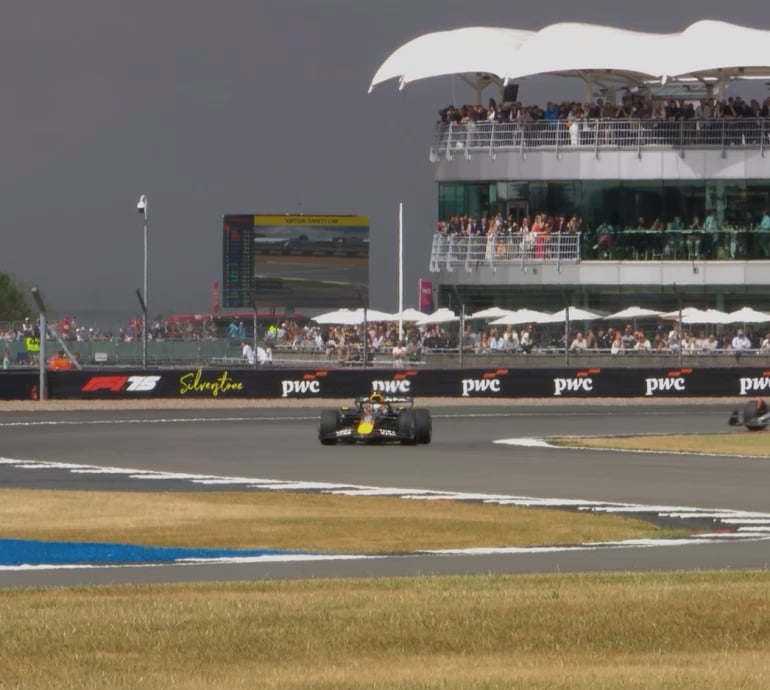
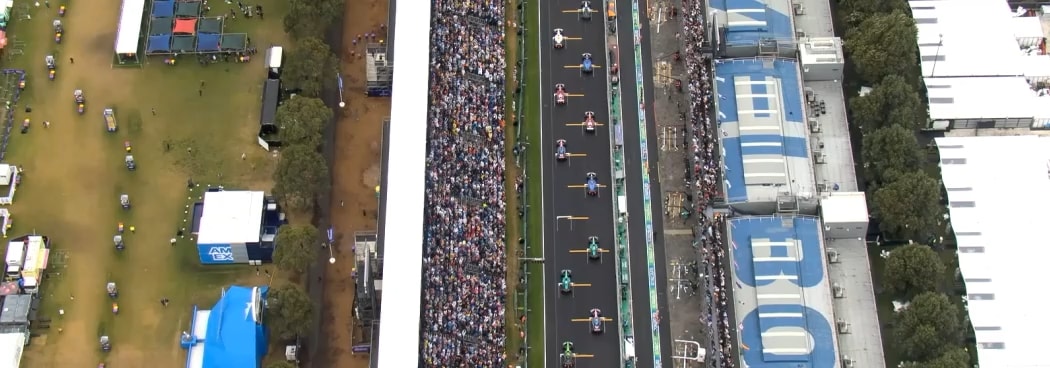
Formula 1’s first race in 1950 sparked a global fascination. Over the next 75 years, demand only grew. What started with seven races a year became 17 by the 1970s—and surged to a record 24 in 2024, one nearly every other week.
Skill and tradition kept the sport running. But with growth came new limits, escalating costs, tighter timelines, and operations dependent on unwritten know-how. To meet the demands of a rapidly growing race calendar, Formula One Management needed the speed and agility of the cars on the track. It needed a scalable, repeatable operating system.
The sport was accelerating. The fan base was growing. F1 was gearing up for its next era of growth.
A need for reinvention: A full-throttle challenge off the track
This meant asking tough questions. How can race operations, setup and breakdown, and maintenance be standardized and scaled—so teams can rely less on institutional knowledge? How can Formula One Management move more event freight by sea—and stay ahead of schedule? What technologies can help improve operations?
The answers could set the stage for F1’s next chapter.
“We had the strategy and working with PwC we were able to create a plan to execute it—overcoming some of the key hurdles of our race operations. This has led to Formula 1 making vital steps in delivering our sustainability commitments.”
SOLUTION
Engineering the fastest show on earth
F1’s Future of Race Operations (FRO) transformation program quickly took shape—helping the organization on its journey to advance sustainability efforts and improve resilience while also cutting costs. One major change was key to these efforts: Invest in more event infrastructure equipment to strengthen resilience and then transport it largely by ocean freight shipping.
The only crucial element left was, how?
Answering that challenge meant looking beyond racing. F1 collaborated with PwC to rethink race operations from end to end. Together, we’re reengineering race operations, connecting bold vision with operational strength to help build resilience, speed, and sustainability. As the Official Consulting Partner of Formula 1, PwC brings transformation muscle from some of the world's most complex sectors—from heavy industry to live sports. The first F1-PwC project was obvious: Close the gap between FRO’s ambitious plans and how to execute them.
Getting operations on track
To begin bringing the transformation strategy to life, we immersed ourselves in F1’s high-stakes race operations.
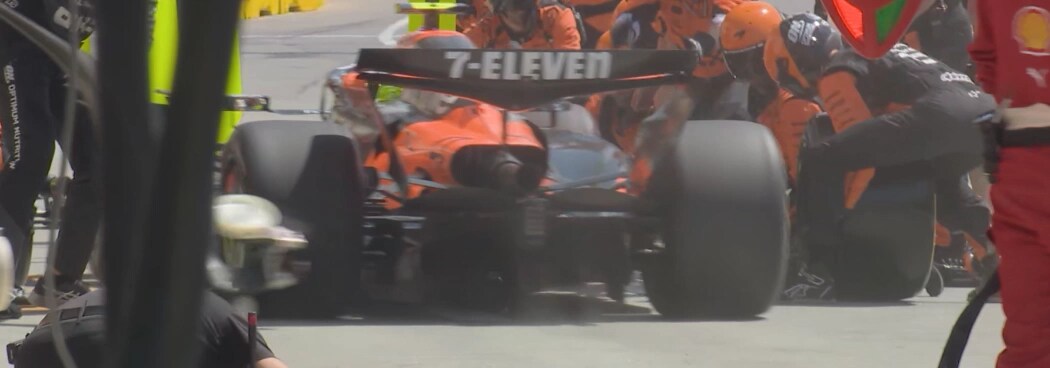
We went trackside—rolling fiber cables alongside F1 crews—to capture race day preparations that were not consistently recorded before. Custom AI tools helped cut documentation time by four to eight weeks. Next up: Use these outputs to standardize race processes from setup through shipping.
Those static field templates lay the foundation for a digital knowledge base that crews can update on the fly—with the potential to replace scattered chat apps and spreadsheets for sharing updates like when a fiber spool breaks. As with previous transformations that digitize operations, the PwC team designed a scenario in which AI could run in the background—surfacing relevant field notes in near real time. This shared system could standardize the race setup, creating a single source of truth that can evolve over time.
The initial documentation also lays the groundwork for digital operating guides—dynamic instructions on how to pack, route, and maintain the massive event infrastructure kits that transform tracks and city streets into F1 venues. Each kit carries over 40 miles of fiber cabling, camera towers, hospitality technology and equipment, timing systems, and signage.
The documentation captures how logistics work today—and digital guides are planned to capture how they’ll evolve for the future. As for Formula One Management’s event infrastructure kits—containing materials for race operations and broadcast—currently, they are often transported by air. Kits then return to the UK at year-end for maintenance and refurbishment. The future-state version charts a new course: seven rotating kits shipped mainly by sea to enhance flexibility, lower costs, and streamline maintenance—while supporting F1’s sustainability efforts.
“Because PwC embedded themselves with our teams, they understood our business and operations from the inside out—and it showed in the insights they delivered.”
RESULTS
Faster, leaner, more resilient
F1’s transformation is still moving, and early results are already taking shape.
More than 65 mission-critical processes and subprocesses—guiding F1 personnel—have been mapped and standardized, turning long-held expertise into shared, scalable knowledge. What mattered just as much as the new workflows was the trust built on the ground. PwC saw how the people behind each race improvised, solved, and delivered under pressure when time was short and precision mattered most. That trust now anchors a collaboration focused on building a more resilient future.
F1 is also on pace to hit bold targets: Getting closer to its sustainability goals and building resilience while increasing efficiency. Our work with F1 to reimagine race operations didn’t stop at delivery. It laid the groundwork for what could come next—scaling a future-fit operations model. We identified six key enablers to help close operational gaps.
- Inventory and asset tracking: Real time asset tracking to reduce manual errors and make faster decisions.
- Asset life cycle management: Implementing end-to-end workflows to help control costs and plan proactively.
- Field operations workflow technology: Streamlining execution and improving coordination by giving teams digital templates and mobile tools.
- Digital knowledge enablement: Standardizing processes and leveraging digital tools and operating guides to scale onboarding and transfer know-how faster.
- Governance and decision-making: Clearly defining roles and escalation paths to drive faster decisions with more accountability.
- Human capital considerations: Building a digitally fluent workforce that can support growth and scale regional operations with confidence.
The sport stayed iconic. The system got smarter.
These priorities lay the foundation for a smarter, more resilient system—engineered to perform across crews, continents, and countdowns.
Speed drives the sport. But resilience and sustainability now power the business. With PwC helping reengineer its race operations, F1 is at the leading edge of global performance.
“This wasn’t just about race operations—it was about helping F1 build a future-fit business model that’s resilient, sustainable, and ready to grow.”
“We worked side by side with Formula 1 crews at the track, so each process is scalable and trusted on race weekend, now and into the future.”
The F1 FORMULA 1 logo, F1 logo, FORMULA 1, F1, FIA FORMULA ONE WORLD CHAMPIONSHIP, GRAND PRIX and related marks are trademarks of Formula One Licensing BV, a Formula 1 company. All rights reserved. FORMULA 1 images © Formula One World Championship Limited 2025.

OPERATIONS TRANSFORMATION
Harness new technology to reimagine your business, build resilience, and accelerate outcomes.

CASE STUDIES. REAL IMPACT.
Expertise. Technology. Results. Powered by collaboration. Explore our case studies to see what’s possible.
Contact us


