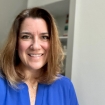



We are proud of the successes of our Alumni and their contributions to a diverse range of businesses.

Making the career you want happen
In an earnest conversation about fighting fraud, Mexico native Jorge Arturo Pérez Gama reflects on building a globe-spanning career in forensic investigations—and the people and moments that mattered most along the way.
How did your career at PwC begin?
I was born and raised in Mexico City and went to business school there. Early on, I reached out to PwC México’s Financial Advisory Services about a job. They said, you need a finance major and a master’s for this role.
But I have a saying: Make it happen. I requested an opportunity to talk to the group’s partner. I got 15 minutes with him, and he hired me.
I worked for PwC for 10 years starting as an entry level associate in Mexico all the way to a management position in New York City, focused on forensics investigations, anti-corruption, and compliance for Fortune 500 companies.
And how did you get into forensics?
My second PwC project was with forensics investigations, which was completely new in Mexico at the time. It blew my mind.
They might involve commercial corruption, financial fraud, books and records manipulation. There’s fraud with deliveries, return merchandise, credit cards.
You have to know everything about the company when you investigate—not just taxes or accounting or finance, but the whole business. So you need to be an accountant, a lawyer, an investigator. You learn and investigate something different with every case.
I fell in love with investigations.
Can you share a pivotal moment in your career?
When I moved to New York, PwC assigned me a mentor: Anthony Grimaldi. He set up a meeting with me my first week in New York City, and the first thing he said was, “You came to New York to succeed, and I’m going to help you do that.”
When I told him I came from Mexico City, he said I should be part of a new forensic project with Walmart de México. Eventually, Walmart became my main client.
When Walmart saw a need for an investigative team in the international markets, they invited me to become an employee with their Global Investigations team in Mexico. Over time, I was transferred to the US headquarters in Bentonville, Arkansas. Now I’m VP of the Latin America, Africa, and Canada markets, managing investigations in 15 different countries.
My mentor and that first conversation changed everything for me.
How did PwC shape you and your career?
PwC helps make you an excellent professional and gives you a lot of opportunities. At PwC, I worked in almost 20 countries on four different continents.
You learn a lot at PwC: management, human skills, leadership, technical skills, and so on. It’s a great place to learn.
It’s why I started as a director at Walmart when I was 31.
Being a PwC alumni means being part of a distinguished professional group.
Did you develop any habits or values at PwC that you still rely on today?
I learned to always be one step ahead: anticipate, prepare, be proactive, propose, don't just follow.
Something I will never forget: A partner set up a client prep meeting with me. I brought my notebook expecting to receive instructions. The partner said, “This is your meeting. What do you know about the client? What are we going to do? Who's going to be involved?”
I said I thought this meeting was for me to hear from you. And she said: Never come to a meeting unprepared.
I’m always prepared now. That never happened to me again. Never.
What changes in forensic and global investigations have had the biggest impact on your work so far, and what do you think leaders are still underestimating?
There are two main changes.
One is artificial intelligence. Investigations are even more complex because now fraudsters can fake nearly anything.
It's a new game: how fraudsters use AI and how investigators use AI. We use it to identify their fake videos and documents and to stay one step ahead of fraudsters by identifying trends.
In our field, we need to be experts on AI. We need to leverage it. However, it's our responsibility to make sure the outcome is correct. Use it, but you’re responsible for the final product.
The second change is the global environment regarding risk.
What leaders are underestimating is globalization. We need standard processes for investigations, but we also need to localize by country.
Sometimes, people think: Let's do the same investigation we did elsewhere. But it's completely different in every country. We need to understand the various languages, the legal and compliance requirements in every country implicated, plus manage meetings and interviews in different time zones. At Walmart, we’ve built a multicultural team, so we have experts in every country.
Consistent standards are important, but they should be adapted to local realities.
How has your perspective on career growth, leadership, and mentorship evolved over time?
People matter. The main responsibility of a leader is not to motivate the team but to inspire them.
You have to invest in your team, teach them by example, provide real feedback, give them opportunities.
Like Anthony changed my life for me, I recently changed the life of one of my team members by supporting him and then promoting him. It was a win for him and me.
I’ve learned that if you take care of your team, if you really help them succeed, then you will also succeed. I always have that in my mind, in my heart.
PwC Alumni Network
Contact us