







{{item.videoDuration}}
{{item.title}}
{{item.text}}

{{item.videoDuration}}
{{item.text}}


Consumer sentiment has reached historic lows, but people are still going to spend on the holidays, starting with Halloween. An overwhelming majority of consumers (86%) say they plan to do something celebratory this October, up from 78% last year, and that number rises to 93% among Gen Z. Overall spending trends look stable, averaging $263 per person, down just $26 from $289 in 2025—and the average budget rises to $368 among millennials, many of whom are parents juggling an array of Halloween festivities.
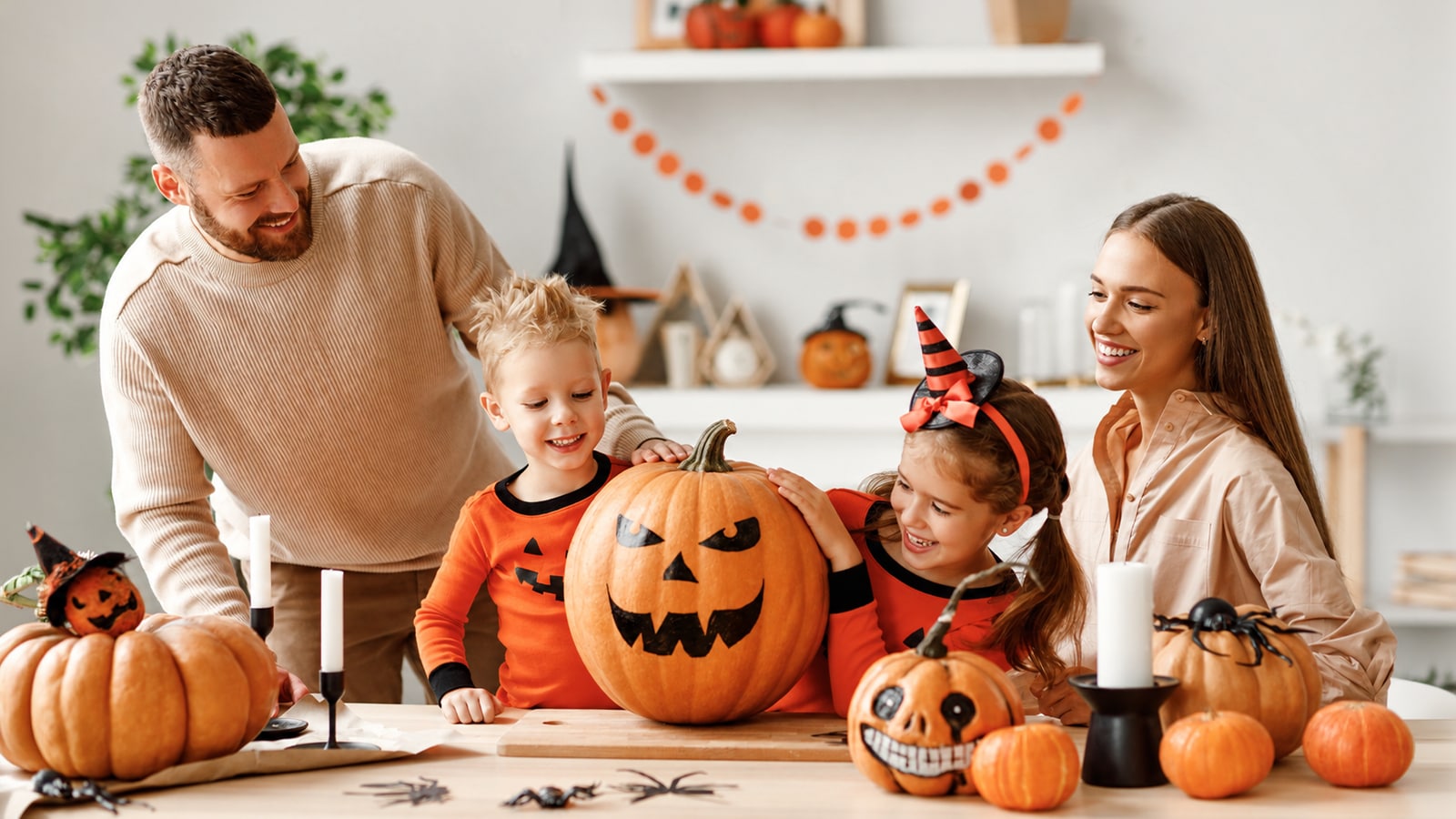
As participation surges, there’s a significant return to brick-and-mortar retailers, with 87% of people going out to shop in stores and “Summerween” kicking off earlier than ever. But when it comes to the main event, the majority of people plan to cozy up—whether that’s to give out candy, watch Halloween movies or TV shows, or carve pumpkins. Of course, there are some generational differences; for example, 79% of baby boomers celebrating Halloween this year plan to give out candy from their stoops, compared with 50% of Gen Z. Younger consumers, meanwhile, are more likely than older generations to attend parties and to seek out healthier treats and tech-inspired ideas. Our poll takes a closer look at this spooky season’s shifting signals, from when people are shopping to how they’re making choices based on wellness preferences and AI behaviors.
More than a quarter of shoppers (28%) kicked off their Halloween haul as early as July and August this year, compared with just 16% in 2025. Leading the early birds are millennials, many of them parents on the hunt for the best family-friendly treats and treasures. Parents plan to outspend other groups, in some cases by twice as much, on favorites like costumes ($74 versus $37) and event tickets ($52 versus $26). Nearly half of Gen Z respondents (48%) also got a head start, stocking up on costumes and candy in September. An equal number of boomers, however, will stick to the classic October retail haunt.
A broader cultural change is reshaping how Americans approach Halloween. According to our consumer poll, more than half of respondents now factor health into their holiday planning, with younger generations leading the charge. Whether consumers are limiting candy intake, reducing alcohol consumption, or choosing safer makeup products, the findings point to many different pathways to a healthier Halloween. At least in part, rising GLP-1 adoption is accelerating this trend: Metabolic health is now a consideration for 34% of Halloween participants making wellness-related changes, suggesting that appetite-regulating medications are influencing habits in areas as varied as the candy bowl and the beauty aisle. A quarter of these consumers are swapping sugary treats for healthier alternatives, and even higher proportions are prioritizing physical activity and mental health during celebrations.
Before scrolling for ideas, most people probably still text their group chat. Almost half (45%) of adults say friends and family influence their Halloween purchases. But younger generations are increasingly going elsewhere for ideas: 43% of Gen Z and 30% of millennials say social media shapes their Halloween plans, whether in costume inspiration or party themes.
And AI is fast emerging as a third source of inspiration, carving out its own niche, especially among younger consumers. It’s serving as a party planner, interior designer, and costume maker. Nearly half of AI users are turning to the technology for costume ideas, while a third or more are using it to compare deals, find recipes, or plan decorations and parties. For many, AI is like a creative collaborator, helping to remove the guesswork from planning a holiday that increasingly rewards originality. Popular prompts suggest AI is supporting people’s appetite for home-centered, wholesome fun, such as: “turn a cardboard box into a pet costume,” “be my expert interior designer for a spooky living room makeover,” and “plan an alcohol-free party on a $200 budget.”
The use of agentic commerce is rising this season, too. Almost one in five (19%) Gen Z AI users are going beyond discovery, letting AI automate and schedule their Halloween purchases rather than shopping manually. Though still nascent, this behavior signals a broader trend: For younger consumers, AI is starting to move from an idea-generation tool to an active participant in the shopping process itself.
Chocolate remains a timeless favorite, with three-quarters of Halloween celebrants choosing it as their go-to treat, compared with just 46% offering gummy candy. Candy corn also holds its own, managing to crack the 10 most popular choices.
With AI fueling hands-on creativity, a quarter of consumers are choosing DIY costumes for people and pets—nearly as many as the 30% who plan to purchase premade costumes. A sweet surprise of the season is the popularity of the Spiderman costume among adults, next only to witches and the US president. More predictably, Spiderman is this year’s runaway favorite kids’ costume, as it was last year, named nearly three times as often as the next most popular costume. Other superheroes and Bluey round out the top three for kids. For pets, pumpkin and hot dog costumes continue to lead the pack, followed by ghosts and dinosaurs. When it comes to costumes, this year seems to balance the excitement of trendy looks with the charm of nostalgic classics.
Halloween's time-tested rituals endure even as new trends are shaping the holiday. Together, they're proof that this holiday runs on both nostalgia and novelty. For retail and CPG brands, that's the real opportunity this season: meeting long-standing habits like the porch light, the chocolate bowl, and the pumpkin costume, while also showing up in the newer spaces where younger consumers are increasingly turning, like AI-assisted planning and wellness-driven choices. The brands that understand both sides of that equation will be the ones that win Halloween, not just this year, but in the years to come.
{{item.text}}
{{item.text}}


