






Jakarta, 15 April 2026 – Energy systems across the globe are entering a period of significant reinvention, defined by rising demand, increasing complexity and accelerating technological change. In the current geopolitical environment, energy resilience has become a central priority for governments, businesses and investors alike. Ensuring reliable, flexible and secure energy systems—while protecting and supporting economic growth—will be critical to sustaining confidence and long-term value creation across markets. This global trend is particularly resonant in Indonesia, where the government is dealing with the energy market volatility while targeting economic growth and simultaneously committing to its Net Zero Emission goal by 2060, presenting a unique set of challenges and opportunities.
In the short to mid-term, dynamic geopolitical tensions, supply‑chain fragmentation and market volatility dominate strategic agendas. In the longer term, these pressures converge with the persistent energy trilemma—balancing energy security, affordability and sustainability. Together, they are reshaping how energy systems are designed, financed and operated.
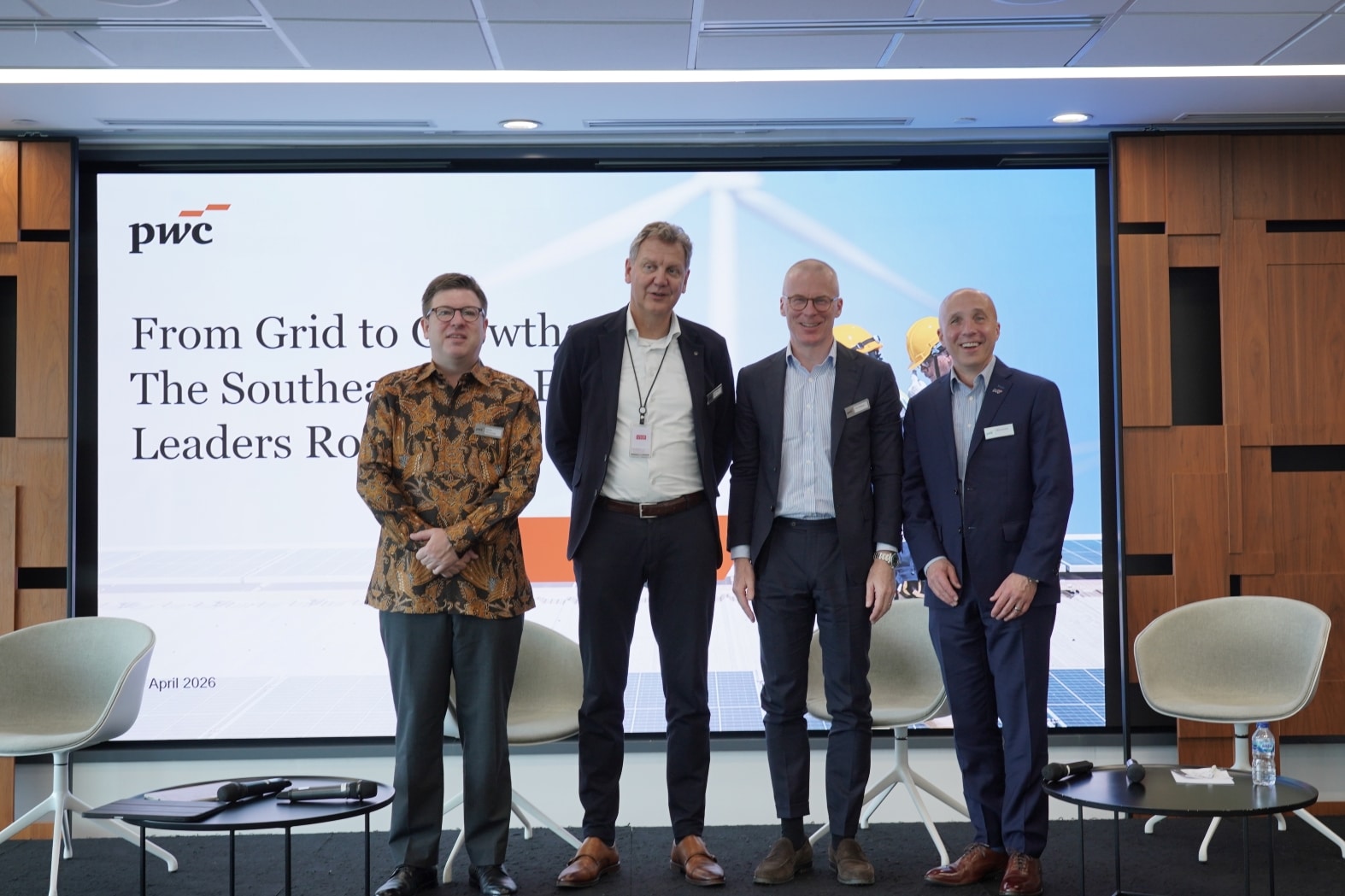
Jeroen van Hoof, PwC Global Energy, Utilities and Resources Leader, said, “Recent geopolitical events have reinforced how critical secure and affordable energy is for societies and economies around the world. As demand continues to grow and energy systems become more complex, resilience has firmly moved to the forefront of energy strategy. Organisations are increasingly focused on ensuring reliable and flexible supply, while deploying capital in ways that strengthen competitiveness, affordability and long‑term system stability.”
These resilience pressures are closely linked to growth and competitiveness. Energy and resources organisations face increasingly complex decisions around capital allocation, cost discipline and portfolio optimisation in a high‑investment environment. Electrification, new industrial loads and digital growth present opportunities, but also intensify the need to manage affordability, operational efficiency and returns. For instance, in Indonesia, the country must balance investments in grid infrastructure to reach remote regions against investments in large-scale renewable generation to power new industrial parks and data centres. Competitive advantage increasingly depends on the ability to adapt portfolios and deploy capital dynamically.
At the same time, technology, data and AI are playing a critical role in enabling both resilience and competitiveness. Advanced analytics and AI‑driven solutions are improving forecasting, maintenance and operations across energy systems, while smarter networks and modern digital cores support faster responses to changing demand and market signals. For an archipelagic nation like Indonesia, the adoption of smart grids and predictive analytics is crucial for managing the stability of a fragmented network and integrating intermittent renewable sources like solar and wind. As energy systems continue to scale and diversify, digital capability is becoming a fundamental enabler of efficiency, stability and system performance.
Frameworks such as the Just Energy Transition Partnership (JETP) serve as a critical guide for Indonesia as it navigates the balance between its decarbonisation agenda and its socio-economic development needs. Effective energy transition strategies recognise this balance and embed it into policy design, investment decisions and execution across markets.
Sacha Winzenried, PwC Indonesia Energy, Utilities & Resources and Energy Transition Leader, added, “In the Indonesian market, our current innovation capabilities, resources and technologies can make a major difference when deployed efficiently and at scale. Stakeholders should prioritise maximising the value of existing solutions rather than delaying action in pursuit of perfect systems, policies or regulations that will inevitably evolve. Most significantly, the multifaceted nature of the energy transition calls for a genuinely collaborative, team‑based approach. Meaningful progress in the changing energy landscape depends on close cooperation between regulators, capital providers, technology specialists and businesses.”
As the energy landscape continues to evolve, progress will be defined not by a single pathway, but by coordinated action across the ecosystem. Organisations that align resilience, competitiveness and digital capability will be best positioned to manage uncertainty, attract investment and support the ongoing reinvention of energy systems.

About PwC Indonesia
PwC Indonesia is comprised of KAP Rintis, Jumadi, Rianto & Rekan, PwC Tax Indonesia, PwC Legal Indonesia, PT PwC Advis Indonesia, and PT PricewaterhouseCoopers Consulting Indonesia, each of which is a separate legal entity and all of which together constitute the Indonesian member firms of the PwC global network, which is collectively referred to as PwC Indonesia. Visit our website at www.pwc.com/id.
About PwC
At PwC, we help clients build trust and reinvent so they can turn complexity into competitive advantage. We’re a tech-forward, people-empowered network with more than 364,000 people in 136 countries and 137 territories. Across audit and assurance, tax and legal, deals and consulting, we help clients build, accelerate, and sustain momentum. Find out more at www.pwc.com.
© 2026 PwC. All rights reserved.
Contact us


