Turn insight into action
We help you solve the problems that matter most so you can act faster and move further.
What would you like to explore?
How we feed ourselves
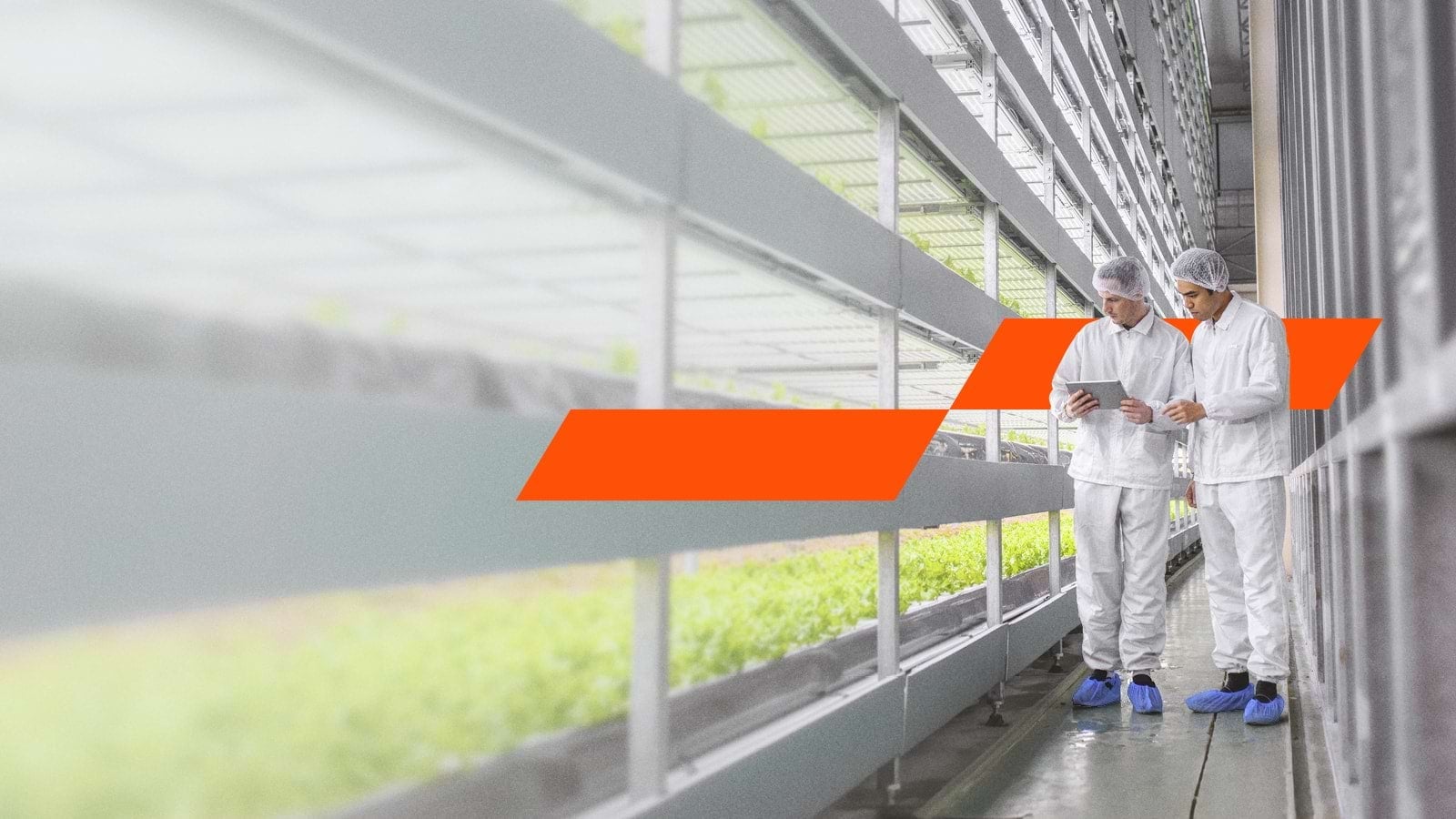
Domain defined
Where human needs, technology, and industries converge to feed
The way we feed the world is evolving. Agriculture, manufacturing, and consumption face emerging challenges like rising demand, climate unpredictability, and resource limitations, as well as rapid advancements in data, automation, and biology. Farm-to-shelf value chains were once linear, but are now transforming into an integrated system. This shift creates a new growth area where resilience, efficiency, and sustainability are built in from the start to meet the needs of a growing population by mid-century.
The Feed domain brings together farming, food production, logistics, technology, capital, and services to revolutionise how food is produced, processed, and consumed on a large scale. Explore the sections below to see how this convergence is redefining value creation in the global food system and how organisations can position themselves to seize opportunities in the coming decade.
How to win in the Feed domain
The dynamics
Explore the Feed domain
The Feed domain marks a transition from fragmented, linear food value chains to integrated, system-led production and distribution. Advances in data, automation, biology, and logistics enable food to be grown, processed, and delivered with greater precision and resilience. Value is no longer created by isolated players—especially as populations grow, resource constraints intensify, and the climate becomes unpredictable. It increasingly lies in how farming, processing, logistics, technology, capital, and policy are coordinated across the entire system. The result is reduced waste, mitigated risk, and sustainable growth at scale.
Technology is accelerating the transformation of the global food system. AI-driven crop monitoring, precision farming, automation, sensors, and data platforms make it possible to anticipate conditions, optimise inputs, and respond faster to disruptions. Technology connects production through processing and into consumption; from satellites and drones in the field to blockchain-enabled traceability, and predictive logistics. Data not only improves efficiency. It reshapes transparency, trust, and control across the ecosystem. For leaders, the challenge is no longer whether to deploy technology, but how to integrate it across an increasingly complex and dynamic food system.
Climate stress, resource scarcity, changing diets, geopolitical uncertainty, and other pressures that are facing the Feed domain cannot be resolved through incremental improvement alone. They demand a reinvention of how food is produced, processed, and brought to market. Organisations across the ecosystem are rethinking their roles. They’re shifting from volume-led production to value-led systems, from standalone assets to platform-enabled networks, and from linear supply chains to circular models that prioritise efficiency and resilience. Those that move early are better positioned to adapt, scale innovation, and capture growth as the system transforms.
The most significant opportunities in the Feed domain are emerging at the intersections between sectors. Agricultural players are partnering with technology firms to unlock productivity gains. Food manufacturers are investing in data, alternative inputs, and new processing models. Logistics providers are becoming critical enablers of resilience and transparency. As business models evolve, value is shifting away from traditional margin capture toward integrated systems spanning production, processing, data, and services. In the decade ahead, substantial revenues are set to move across the ecosystem as organisations reposition themselves and recognise where new value pools are forming.
The Feed domain does not operate in isolation. Food systems increasingly depend on how energy is generated; how materials and inputs are produced; how data is shared; and how risk and capital are structured. Advances in manufacturing influence food processing. Digital platforms underpin traceability and consumer trust. Climate and energy systems shape where and how food can be produced. Understanding these connections helps leaders see the full system, and identify where collaboration, capability-building, and investment will matter most.
Featured insights

Future of Food 2.0
Strategy& has analyzed how to capture growth in a transforming global food ecosystem.
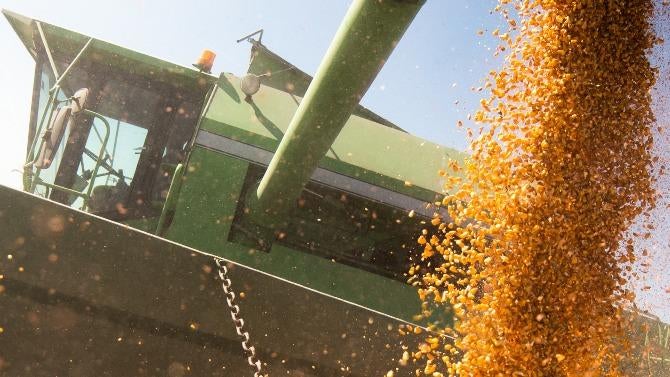
Reconfiguring the global food system
Global food supply disruptions are likely amid rising demand. We must rethink food production, processing, and consumption now.
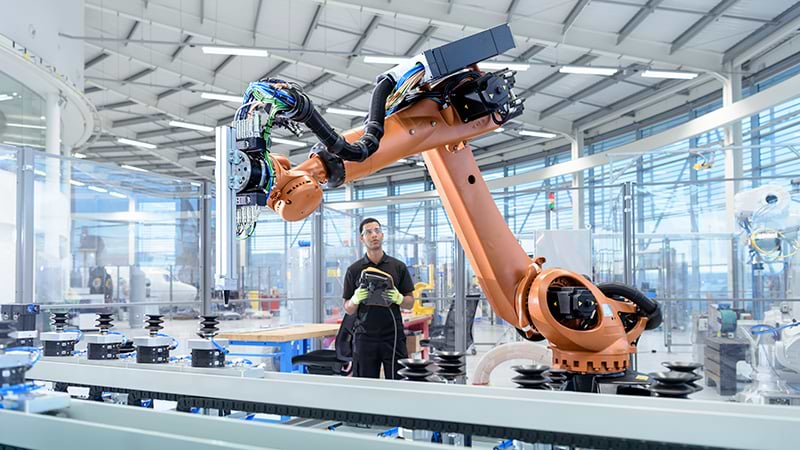
Value in motion
Discover the future of your industry with PwC's Value in motion study. Learn how AI and climate change are reshaping industries to create new growth opportunities.
Food for thought
Our global food system is unsustainable. Its practices are inflexible, inefficient, and inequitable — but they don’t have to be.

How can we secure the future of food?
Discover how businesses can secure future food systems in this episode of Take on Tomorrow with Rob Cameron of Nestlé and Stuti Sethi of Strategy&.

Voice of the Consumer 2026
How consumer health habits and occasions are reshaping growth across consumer markets and healthcare.
Key sectors
Explore the key sectors shaping the Feed domain
Business services are crucial in managing food ecosystems by providing data, financing, and coordination. As supply chains become digitised and interconnected, there’s a growing need for services that enhance transparency, manage risk, and foster collaboration. AI-driven analytics and digital contracting are transforming value creation beyond traditional roles. Leaders can enhance trust and performance by productising expertise, building platform-enabled services, and collaborating across the food value chain.
Consumer goods companies play a pivotal role in shaping diets and production sustainability. With consumer expectations shifting towards health and transparency, brands need to rethink product portfolios and business models. Data insights and sustainable sourcing are redefining how businesses compete. Leaders can capture growth by investing in supply chain visibility and collaborating with farmers and tech providers to innovate a portfolio of nutrition-led offerings.
Hospitality and leisure bring food systems to life by creating everyday experiences. Rising costs and sustainability demands are driving operational reinvention. Digital platforms and food redistribution partnerships help reduce waste and protect margins. Leaders should integrate technology into kitchens and properties, partner with local suppliers, and redesign experiences around health and sustainability.
Industrial manufacturing supports food systems by providing essential equipment and processing systems. As efficiency becomes critical, manufacturers are integrating automation and AI into production while smart factories are reducing waste and energy use. Leaders should invest in advanced technologies, collaborate with producers, and design adaptable systems for climate resilience.
Real estate influences food production and distribution, from logistics hubs to urban farms. As cities grow, demand for flexible, energy-efficient infrastructure rises. Digital twins and smart buildings enable resilient food systems. Leaders should invest in adaptive assets, collaborate with logistics players, and integrate sustainability into real estate strategies.
Retail connects food systems to consumers, playing a key role in reducing waste and influencing demand. Retailers are evolving into platforms linking producers and consumers, using AI-driven pricing and transparent sourcing to reshape food sales. Leaders should embed analytics, collaborate with suppliers, and shift from transactional selling to outcome-based experiences.
Technology is the backbone of food systems, enabling data-driven decisions across sectors. AI and digital platforms are transforming fragmented systems into adaptive networks. From precision agriculture to traceability, tech firms are unlocking new value. Leaders should focus on scalable platforms and cross-sector partnerships to embed technology at the core of resilient systems.
Transportation and logistics ensure efficient, safe, and sustainable food delivery. In response to climate disruption and rising costs, leaders are developing digital logistics platforms that drive smarter routing and localised networks while reducing loss and emissions. Leaders should invest in AI-enabled optimisation and build transparent partnerships to design flexible networks that withstand volatility.
Your next move
Turning Feed domain insight into action
As the global food system reconfigures under pressure from population growth, climate volatility, and resource constraints, leaders face pivotal choices about where to play, how to scale, and which partnerships will shape advantage. We help organisations translate domain insight into practical action across strategy, technology, and sustainability.
The Feed domain is shifting from fragmented, linear value chains to an integrated, system-led model spanning farming, processing, logistics, technology, and capital. Leaders are rethinking their role—and how to take advantage of converging food production, distribution, and consumption. Individual activities are shifting toward ecosystem participation, cross-sector collaboration, and new business models that deliver resilience, efficiency, and growth at scale.
Advances in AI, data, automation, and precision agriculture are transforming how food is grown, processed, and delivered. From AI-driven crop monitoring and smart logistics to automated processing and traceability, we empower organisations to embed technology across the food system. The result is improved productivity, waste reduction, and greater supply-chain resilience.
Climate risk, resource scarcity, and rising expectations around transparency are reshaping the economics of food. From climate-resilient sourcing and circular manufacturing to low-waste processing and sustainable diets, we help clients embed sustainability into their operations and value chains. Organisations that design with resiliency in mind can better protect their supply, meet regulatory and consumer demands, and unlock long-term value in a system under pressure.
Domains of growth
Explore other domains of growth
The Feed domain is part of a broader shift as industries reorganise around fundamental human needs. Explore how value is also being reshaped across other domains, and how these connections create new opportunities for growth.
Get in touch

Sabine Durand-Hayes
Global Consumer Markets Leader
PwC France

Harald Dutzler
Global Consumer Goods Leader, Partner
Strategy& Austria

David McGee
ESG Leader, Partner
PwC Ireland (Republic of)
