Turn insight into action
We help you solve the problems that matter most so you can act faster and move further.
What would you like to explore?
How we build

Domain defined
Where human needs, technology, and industries converge to build
Building is changing fast, as new forces reshape housing, infrastructure, and industry. Rising demand, climate pressure, labour constraints, and rapid progress in digital design and manufacturing are driving this shift. Project-based activities that once sat apart now work together as one system. Success belongs to firms that embrace this integration and move beyond silos. In this new growth domain, speed, certainty, and sustainability are built in from the start.
The Build domain delivers assets faster, cleaner, and at scale by uniting construction, engineering, manufacturing, real estate, technology, and capital. Explore how this convergence redefines value creation, and where organisations can position themselves to seize it.

How to win in the Build domain
The dynamics
Explore the Build domain
The Build domain marks a shift from custom construction projects to industrialised, system-led delivery. Modular construction, off-site manufacturing, automation, and digital design enable buildings and infrastructure to be designed once, manufactured repeatedly, and assembled quickly.
As these models scale, value isn't just created by individual projects. Increasingly, value lies in how design, materials, capital, technology, and operations are aligned across the asset lifecycle. The result is reduced risk, improved predictability, and greater capital efficiency by default.
Technology is speeding up the industrialisation of building. Digital twins, AI-enabled design, automation, and data platforms allow assets to be planned, tested, and optimised before construction, reducing late-stage changes that increase cost and delay.
As construction moves off-site and into factories, technology connects design from delivery into operation. Data doesn't just boost efficiency; it reshapes control, risk management, and value capture over time. For leaders, the question isn't whether to digitise, but how to connect technology across the Build domain.
Organisations within the Build domain face pressures like cost inflation, skills shortages, sustainability mandates, and delivery risk. Overcoming these challenges demands that we reimagine how value is created, delivered, and captured.
Across the ecosystem, organisations are rethinking their roles. They’re shifting from one-off execution to platform-based delivery; from isolated capabilities to ecosystem orchestration; and from linear supply chains to integrated systems. Those who move beyond optimisation are better positioned to scale faster, manage risk, and unlock new growth as demand accelerates. This shift boosts capital efficiency, allowing companies to achieve more with fewer resources.
The biggest opportunities in the Build domain emerge at sector intersections. Real estate developers are backing technology and energy solutions. Technology firms are embedding software and smart systems directly into buildings. Engineering companies are expanding into long-term infrastructure and asset management.
As business models evolve, value shifts from one-off project delivery to integrated systems and lifecycle services. In construction alone, major revenues are being redistributed as organisations rethink their ecosystem role. Leaders who understand these shifts and act early are best placed to capture the next growth phase.
The Build domain doesn't exist in isolation. It intersects with other growth domains as industries reorganise around fundamental human needs.
Building systems increasingly depend on how materials are made, how assets are powered, how data is connected, and how risk and capital are managed. Modular construction draws directly on manufacturing advances. Smart buildings rely on digital platforms and energy systems. Large-scale projects depend on financing and insurance models that manage long-term risk. Domains are no longer adjacent; they are converging into tightly coupled systems, where industry lines dissolve and value is created through coordinated, cross-domain decisions.
Exploring these connections helps leaders see the full system, and identify where collaborations, capabilities, and investments matter most.
Featured insights

Global Infrastructure Outlook 2025–50: Accelerating human progress
A staggering US$151.1 trillion of capital is needed to build and maintain infrastructure in the coming decades.

Global M&A industry trends in real estate and real assets: 2026 mid-year outlook
Investors are using M&A to access the capital, power, and data capabilities needed to create value in a more disciplined real assets market.
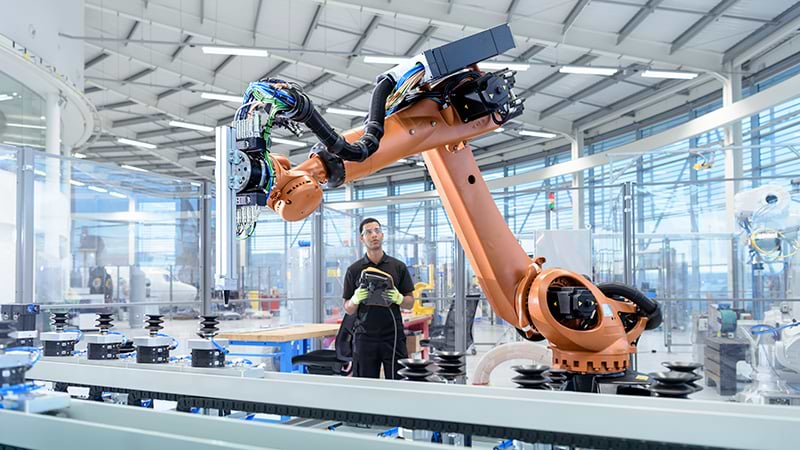
Value in motion
Discover the future of your industry with PwC's Value in motion study. Learn how AI and climate change are reshaping industries to create new growth opportunities.
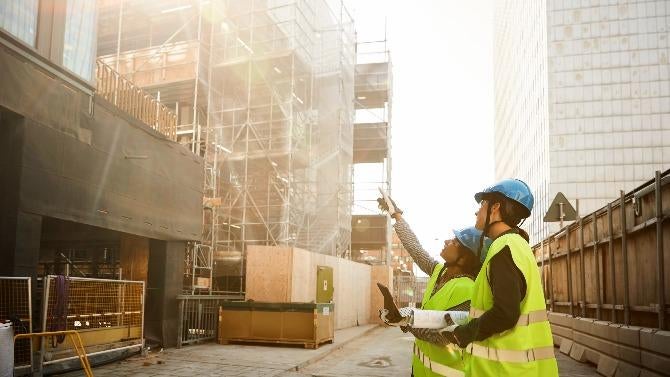
What’s next in engineering and construction
Explore leading engineering and construction trends, where prefab, AI, robotics, and intelligent supply chains deliver faster, safer, more predictable projects.

Could robots be renovating our homes in the future?
What if we completely rethought the way we build? With insights from Emanuel Heisenberg, CEO and founder of Ecoworks.
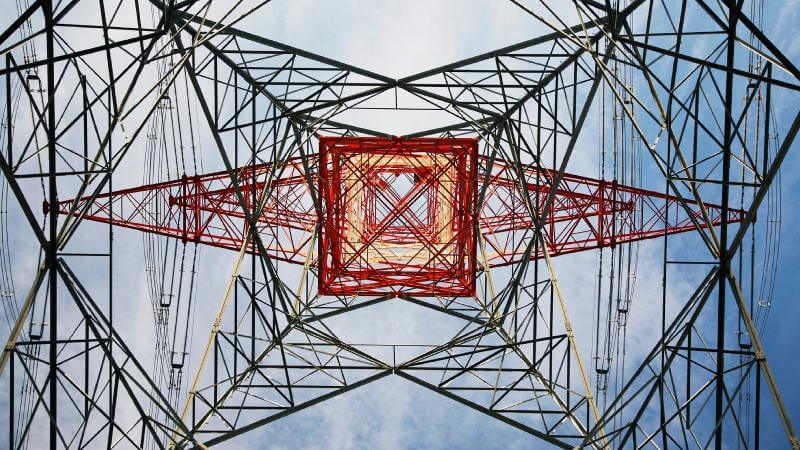
Flexible by design: The key to financially viable and sustainable infrastructure
Electric transmission infrastructure that is strategically flexible enables the achievement of environmental goals and better returns.
Key sectors
Explore the key sectors shaping the Build domain
As rising demand meets labour shortages and sustainability requirements, the future-forward engineering and construction sector is becoming critical to the Build domain's transformation. Traditional models are giving way to integrated, technology-enabled approaches that combine modular construction, automation, and data-driven controls. Firms that embed digital capabilities and rethink workforce models can turn challenges into scalable advantages. And those who forge novel partnerships to secure supply chains and drive resilient capabilities to deliver customer needs are the engineering and construction firms that will scale and win.
Capital projects and infrastructure are the backbone of societal development, delivering transport, energy, housing, and digital networks on a massive scale. Amidst the challenges of today, leaders are facing unprecedented opportunities to unlock value. Digital twins, AI planning, modular delivery, and integrated financing are reshaping asset design and delivery. To capture value, leaders must align capital strategy with sustainability goals, adopt industrialised delivery models, and build cross-sector partnerships for certainty, resilience, and long-term performance.
Industrial manufacturing supports building by supplying components and systems for modular, scalable construction. As supply chains fragment and demand for low-carbon inputs grows, manufacturers must reinvent operations. Sitting at the intersection of making and building, smart factories, advanced analytics, and circular production are creating new opportunities. Leaders should strengthen digital value chains, invest in flexible production, and partner with builders and developers to unlock supply chain resiliency and outperform competitors.
Technology accelerates the Build domain's reconfiguration, powering modular design, digital twins, and AI-driven infrastructure. As industries digitise, tech firms embed software and data into asset operations. Responsible AI, cloud platforms, and partnerships are essential for scaling innovation. Leaders should focus on applied technology, cross-industry collaboration, and secure digital foundations for faster, smarter, and more sustainable building.
Mining and metals provide critical materials for housing, infrastructure, and energy transition. Demand for low-carbon materials, combined with geopolitical risk and sustainability expectations, are reshaping resource sourcing and reuse. However, automation, real-time data, and circular practices are strategic enablers of resilient supply. Leaders should invest in smarter operations, embed sustainability practices into strategy, and form long-term partnerships to secure premium markets and stable demand.
Retail is evolving with how we build, as stores and logistics hubs adapt to consumer expectations. Omnichannel behaviour, rising costs, and sustainability pressures drive retailers to rethink formats and supply chains. As retailers become developers, operators, and energy users, their margins and business resilience are increasingly driven by how they build, retrofit, and operate assets. Leaders should use digital intelligence to optimise assets, redesign spaces, and integrate retail into the broader build environment.
Real estate is redefining value as the way people live, work, and shop changes. Interest rates, sustainability mandates, and demand for flexible spaces force owners to rethink portfolios. Smart buildings and data-driven property management are central to performance. Leaders should place sustainability and digital transformation at the heart of strategy, reposition assets, and collaborate across the Build ecosystem for long-term value.
Business services are central to organisational growth, offering the expertise, systems, and trust needed for large-scale projects and contracts. Modular construction, digital delivery, and cross-industry collaboration are driving the Build domain's evolution. Consequently, it creates a growing need for smarter contract management, data-driven operations, and workforce transformation. As delivery models industrialise, advisory value shifts from episodic support to embedded, system-level orchestration. AI insights, simplified processes, and robust governance are key to achieving speed, resilience, and sustainability. Leaders should modernise operations by investing in digital capabilities and building trusted partnerships. So as building shifts to integrated, ecosystem-led growth, you can help clients move faster, manage risk, and capture value.
Your next move
Turning Build domain insight into action
As the Build domain industrialises, leaders face critical choices about where to play, how to scale, and which capabilities will define advantage. We enable organisations to translate domain insight into practical action across strategy, technology, and sustainability.
Sustainability is becoming a core driver of performance in the Build environment. From low-carbon materials and circular design to large-scale retrofitting and resilience planning, we help organisations embed sustainability into assets and operations—creating long-term value while managing climate and regulatory risk.
Domains of growth
Explore other domains of growth
The Build domain is part of a broader shift as industries reorganise around fundamental human needs. Explore how value is also being reshaped across other domains, and how these connections create new opportunities for growth.
Get in touch

Daryl Walcroft
Global Engineering and Construction Leader
PwC United States

Ryan Hawk
Global and US Industrials and Services Leader
PwC United States

Greg Oberti
Partner, Deals Utilities Sector Leader
PwC Canada
