








We cut through complexity so you can accelerate change
Capital projects and infrastructure

Infrastructure is evolving quickly to meet the demands of modern society. Rising costs, changing regulations and supply chain challenges create hurdles. But they also offer opportunities for innovation and improvement.
The challenge isn’t just delivering––it’s delivering at speed, and with impact that’s built to last. Those who adapt fast and make bold decisions will lead the way.
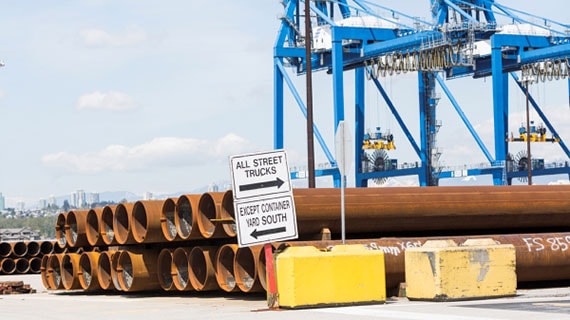
Key trends impacting capital projects and infrastructure
Infrastructure needs US$6.9 trillion of investment by 2030 to meet climate and development objectives according to the OECD1. This brings huge opportunities for the sector, along with big challenges.
1OECD, The World Bank, UN Environment (2018), Financing Climate Futures: Rethinking Infrastructure, OECD Publishing, Paris.

The challenge of affordability
Population growth demands infrastructure investment. But affordability is a challenge with rising government debt and reduced personal incomes globally.
Private capital for infrastructure investment remains plentiful. But finding investable (investment grade) projects is a challenge for investors. Blended finance and public-private partnership (PPP) models are evolving—public and private partners can co-invest to de-risk investments. And innovative income sources provide repayment certainty.

Climate goals
Infrastructure and its services account for 79% of CO2 emissions. This disproportionately affects those in infrastructure poverty. The energy transition and electrification of infrastructure are critical for decarbonisation. Along with the growth of AI and data centres, this will require significant investment in power generation plants and grid infrastructure.
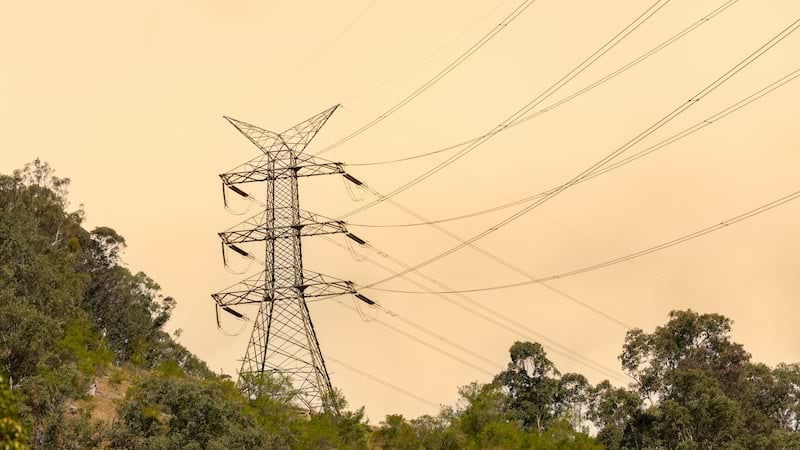
Threats to infrastructure
With extreme weather events and risks around cyber and physical security threats, resilient infrastructure is critical. From running economies and societies, to maintaining essential services, to limiting financial losses and threats to public safety, risk mitigation is critical.

Business model reinvention
More than 80% of projects exceed their original budget. Half of projects fall short of expected benefits and 60% finish behind schedule. Workforce availability is a challenge. Rising inflation, ‘giga’ project demands, energy price hikes and scope 3 requirements are impacting supply chains and availability of critical materials. Geopolitical uncertainties, including tariffs, are shifting supply chains towards localisation, with industrial policy and nearshoring driving new manufacturing investments.
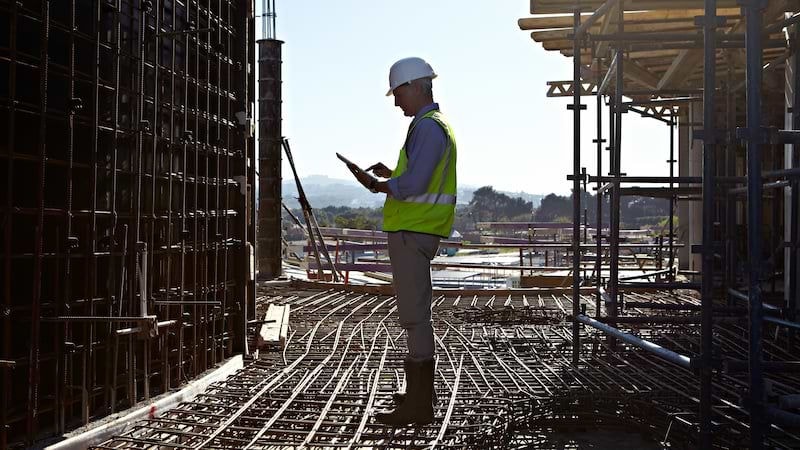
Tech and digital opportunities
Mobile connectivity, smart grids, renewable energy and mobile payment systems are transforming how infrastructure is used. Capital projects generate high volumes of dynamic data but often fail to optimise outcomes. AI has the potential to transform capital project delivery outcomes.
How we can help
We know capital projects are complex. Uncertainty is high. Risks are real. The pressure to deliver is relentless. We help you cut through uncertainty and move projects forward—faster. From planning and financing to execution and operations, our expertise keeps you ahead, turning obstacles into opportunities and ambition into action.
- Elevate planning
- Accelerate financing
- Deliver with agility
- Focus on insight-led transactions
- Enhance your operations
- Decommission and dispose
Elevate planning
Transform uncertainty into actionable success––with precision and insight. A sharp strategy, solid business case and clear regulatory navigation turn risk into results. We help you spot opportunities and get projects moving.
Accelerate financing
Turn ideas into action. Rethink business and contractual models. Unlock capital. Secure investment and fast-track financial decisions. From financial modelling and raising finance to procurement, we help you lay the trusted foundations for success.
Deliver with agility
An unpredictable world demands speed and flexibility. Understanding and managing performance against scope and schedule, and the impact on cost and risk is integral. Engineering, governance, contracts, supply chains—our industry-leading capabilities and project management help you stay ahead, adapt fast and maintain momentum.
Focus on insight-led transactions
Maximise your returns. Minimise your risk. Buying, selling, refinancing or restructuring—we know how to deliver value.
Enhance your operations
Change is accelerating with new markets, new tech and new expectations. We help you rethink operating models, streamline contract management and deploy technology for better, faster results. Our asset management expertise helps you maintain and grow value, even under pressure.
Decommission and dispose
Are you ready to make a change? From asset disposal to complex decommissioning, we handle valuation, compliance and transaction structuring. Together, we can maximise your efficiency while protecting your value.
Explore the domains of growth
Industries are reshaping around fundamental human needs, creating value through collaboration across interconnected domains that now replace traditional value chains. Explore the domains relevant to your sector.


Contact us