






Precision over pace: The Middle East’s focused M&A strategy for transformative growth

2026 TransAct Middle East 

2026 TransAct Middle East 

As sector boundaries blur and competition shifts from assets to capabilities, the Middle East enters 2026 using dealmaking to shape the next generation of growth engines.

Building on a strong first-half performance, mergers and acquisitions (M&A) activity in the Middle East gained momentum in a year marked by selective global capital deployment.  PwC’s Global M&A Industry Trends show that while global deal values rose by 36% in 2025, deal volumes increased by only 1%, underlining how activity remained concentrated rather than broad-based.  Investors were still willing to do deals, but only where conviction, strategic fit and long-term visibility were clear. In that environment, capital became more discriminating, favouring markets where scale could be built with partners with deep local insight and the ability to execute through uncertainty.

Against this backdrop, the Middle East stood out as an outlier as dealmaking shifted inward. While global deal volumes remained below pre-rate-hike levels, the region recorded 635 completed deals (Figure 1), up 33% year on year and back in line with its 2022 peak. Growth was driven primarily by inbound and intra-regional transactions, reflecting a preference among investors to deploy capital closer to home amidst continued global uncertainty.

Figure 1: Middle East M&A Deal Volume (FY-2023 to FY-2025)

Source: PwC analysis based on LSEG data
Note: Data only includes cross-border inbound deals and intra-regional deals and excludes outbound cross-border transactions.

2026 M&A themes

Capital rebalances inward as inbound interest strengthens

Domestic and intra‑regional consolidation dominates

Energy investments support industrial resilience

Digital infrastructure and AI continue to anchor the region’s strategic agenda

Sovereign capital continues to set the pace for strategic dealmaking

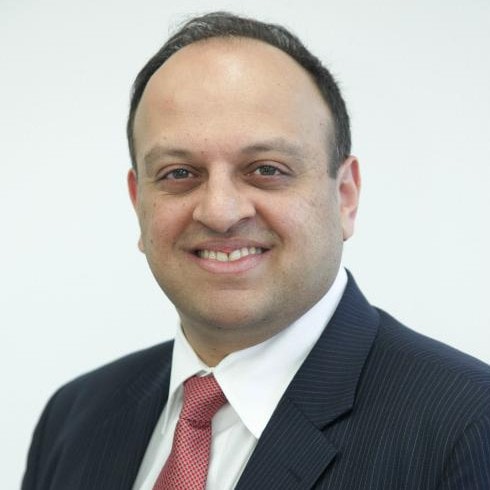
“Dealmaking in the Middle East is no longer about scale alone, it is being used to build ecosystems and anchor long-term economic transformation. Backed by sovereign capital, this shift is accelerating sector convergence and blurring traditional boundaries,as companies acquire the capabilities required to drive operational performance, enable new business models and ultimately accelerate innovation.”

Romil Radia


Romil Radia

Deals COO & Markets Leader, PwC Middle East

Industry trends

< Back

< Back
[+] Read More

Figure 2: Middle East Deal Volumes by Sector (FY-2023 to FY-2025)

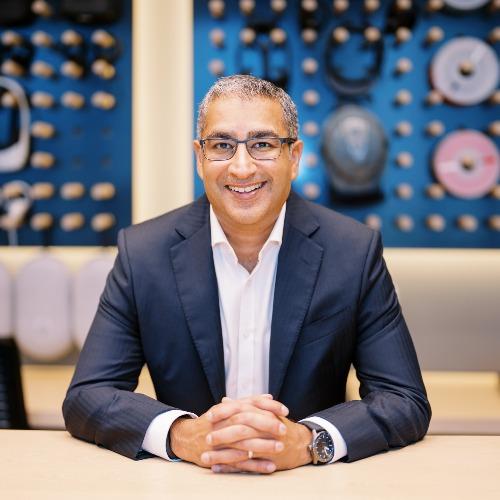
"Corporates and private equity investors are prioritising deals that build resilience and capabilities. In the UAE, the strong economic environment has translated into capital concentrating on assets anchored on a long-term investment thesis. Strategic alignment,operational familiarity, and robust partnership structures are helping to reduce execution risk while supporting sustainable, long-term growth.”

Romil Radia


Zubin Chiba
Corporate Finance Leader, PwC Middle East

The outlook: Positioning for advantage through selective, strategic deals

The Middle East’s M&A environment is expected to continue moving down the trajectory of selectivity instead of scale. Evidence from PwC’s 29th Annual Global CEO Survey: Middle East findings point to a sustained appetite for acquisitions, with nearly three-quarters of CEOs in the Middle East and close to 80% in the GCC likely to make one or more significant acquisition worth more than 10% of their company’s assets in the next three years, significantly above global peers.

However, the nature of dealmaking is shifting. Activity is increasingly focused on transactions that directly support competitive positioning within evolving value chains, particularly across AI-enabled platforms, digital infrastructure and advanced services.

State-aligned capital is likely to remain a defining force in shaping this next phase. Sovereign and government-backed investors continue to play a dual role as both capital providers and ecosystem architects – shaping where value chains forms and how markets develop. Large, strategically significant transactions expected to complete beyond 2025, including Saudi Arabia’s planned investment partnership with Electronic Arts (EA), illustrate this approach, where deals signal a broader strategy of using M&A to embed global capabilities locally, anchor new industries, and accelerate domestic ecosystem development in areas such as digital media, gaming and advanced technology platforms.

The same capability-led intent is also evident in AI infrastructure. Recent discussions around Mubadala joining a US$10 billion global data-centre transaction36 highlight how sovereign capital is moving across traditional sector boundaries to secure control over the platforms that underpin future growth. 

At the same time, the outlook for dealmaking continues to be shaped by geopolitical risk, tighter liquidity and ongoing technological disruption that continue to influence deal structuring and timing. Yet regional dealmakers are willing to operate through uncertainty, supported by sovereign balance sheets, policy continuity and a clearer articulation of long-term priorities. As sector boundaries continue to blur and competition increasingly centres on capabilities rather than assets, the Middle East enters 2026 positioned to deploy M&A as a strategic instrument of economic transformation, building resilience while shaping the next generation of growth engines.

2026 TransAct Middle East

To learn more, download the full report here

(PDF of 4.07MB)

Contact us

Romil  Radia
Romil Radia

Deals COO & Markets Leader, PwC Middle East

Romil brings over 25 years of global advisory experience and is a Partner at PwC Middle East, where he serves as Chief Operating Officer and Markets Leader for the regional Deals business. In this role, he oversees Client & Markets, Finance and Operations across a team of more than 750 professionals.

Zubin Chiba
Zubin Chiba

Corporate Finance Leader, PwC Middle East

Follow us