




The growing awareness around heritage preservation
In recent years, KSA has placed a strong emphasis on heritage and culture as key elements of Vision 2030. These efforts aim to enhance the country’s global profile, with significant cultural investments allocated to major developments like NEOM, the Diriyadh Gate and AlUla. The Saudi Ministry of Culture reports that the contribution of culture and heritage to national GDP grew by 7% annually between 2017 and 20231, and is projected to contribute more than US$47.9 billion to GDP by 2030.
Similarly, in the UAE, cultural and creative industries contributed 4% to GDP in 2022, with the country seeking to grow this share to 5.5% by 2031 under the National Strategy for the Cultural and Creative Industries2. Cultural tourism, which accounted for around 3% of total tourism revenue in 2022, is poised for growth, supported by iconic cultural sites like the Louvre Abu Dhabi and events such as the Sharjah Biennial. Similar to KSA, strategic marketing efforts have bolstered the UAE’s image as a global cultural destination.
However, heritage development presents significant challenges. Striking the right balance between preserving cultural authenticity and integrating modern infrastructure demands meticulous planning, specialised expertise and diligent stakeholder collaboration.
Navigating the challenges of heritage site development
Building on these complexities, heritage development requires addressing a range of challenges, and we highlight the key ones below:





Structural integrity and material preservation
Heritage sites often have fragile structures that must be preserved or restored using specific materials and techniques. These materials may not be easily sourced, requiring custom solutions to ensure historical accuracy.
Compliance with preservation and regulatory standards
Heritage sites must adhere to strict preservation laws and regulations to protect their historical, cultural and architectural integrity.
Developing Heritage and Environmental Assessments
These assessments are key regulatory tools. The Heritage Impact Assessment (HIA) evaluates how proposed developments will affect a site’s heritage value, ensuring interventions are compatible with its historical significance.
Balancing modern functionality with historical authenticity
A significant challenge in heritage site development is balancing historical authenticity with modern functionality. Many heritage sites are being adapted for contemporary use, whether as commercial properties, residential spaces or cultural institutions.
Stakeholder engagement and community sensitivities
Heritage sites hold deep cultural and emotional significance for local communities, making stakeholder engagement a crucial part of the development process.
A framework for capital projects lifecycle development
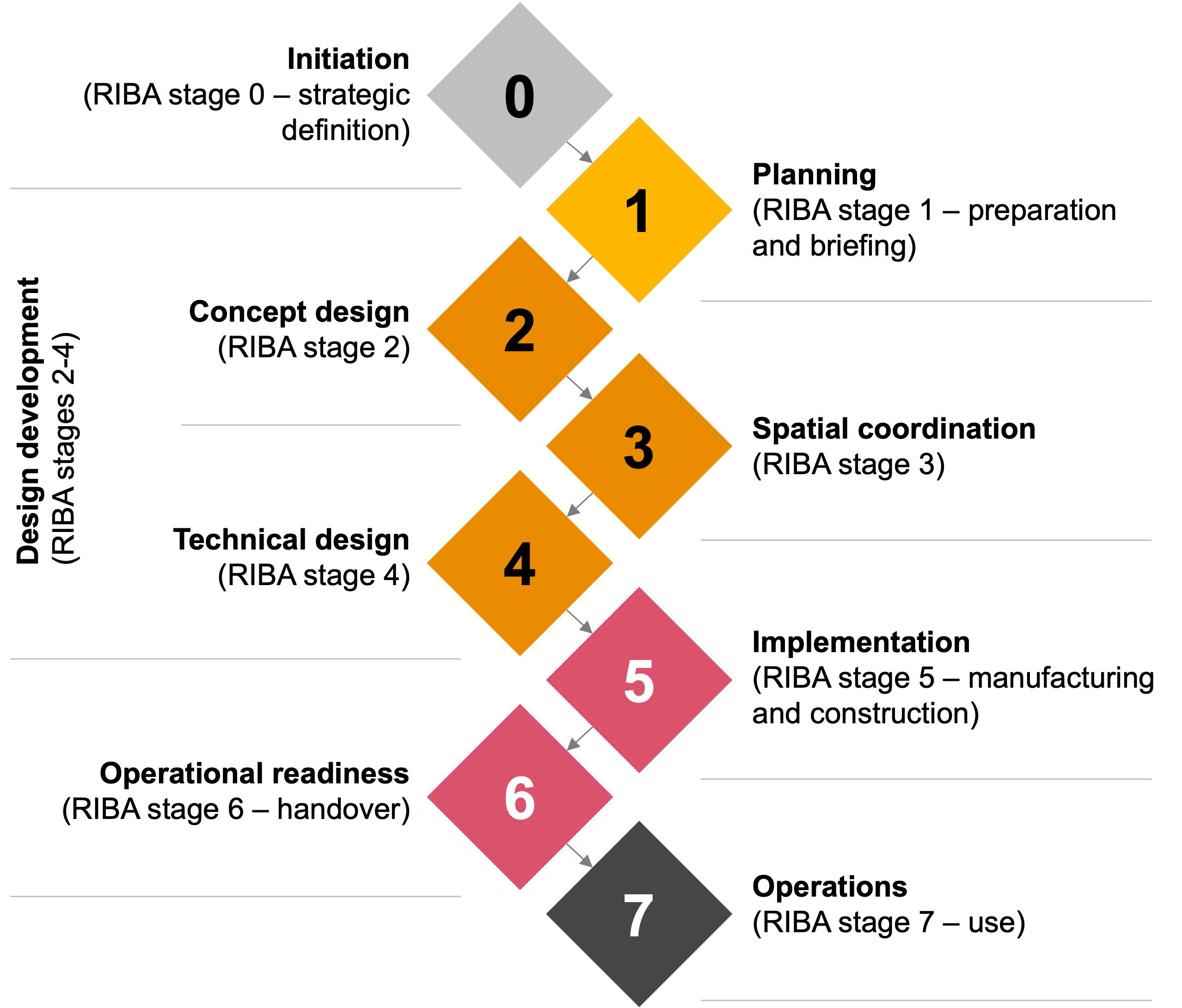
Effectively managing the complexities of heritage site development requires a structured, comprehensive approach. The Royal Institute of British Architects (RIBA) – for example – offers the foundations for this framework3. Combining the RIBA framework with fundamental heritage components ensures each development phase safeguards cultural assets while advancing modern functional goals. Once masterplans are completed and rolled-out, the subsequent asset realisation stages outline a clear roadmap. While there are more granular details and specifics for each stage, this report highlights the key steps and main deliverables to be considered for effective delivery of heritage assets within each RIBA stage.
The way forward
Heritage preservation has become increasingly central to the urban development strategies of GCC countries, particularly as part of economic diversification efforts. As sustainable development takes center stage, the integration of heritage into urban planning will remain a critical factor in the success of capital projects. Iconic developments, such as Saudi Arabia's AlUla and Diriyah Gate illustrate the challenges of balancing historical authenticity with modern functionality.
It is also important to note that while this report focuses on heritage site development, the principles outlined are equally applicable to other brownfield projects. As urban environments evolve, developers must ensure projects resonate with local communities while meeting contemporary demands. By doing so, these projects can foster cultural appreciation and economic growth. Moreover, clients today seek projects that align with sustainability goals and emphasise long-term asset management. Integrating detailed life cycle management strategies is essential to meeting these expectations effectively, ensuring the longevity and relevance of urban landscapes.