





Elevating business alignment in cybersecurity strategies through the concept of use cases
Introduction
As organisations continue to embed digital technologies across their operations, the role of cybersecurity has shifted from a technical concern to a core business priority. For it to be effective, cybersecurity strategies must demonstrate measurable value and alignment with business goals and digital agendas, using clear business language and measurable outcomes.
A thoughtfully designed strategy should serve as a conduit between senior stakeholders and technical teams, ensuring that security efforts directly support organisational outcomes.
According to PwC’s 2025 Global Digital Trust Insights: Middle East findings, regional executive alignment on the importance of cybersecurity is significantly higher than the global average of 47%. Yet despite this buy-in, many chief information security officers (CISOs) face hurdles in translating cybersecurity strategies to business, showing its value and how cybersecurity is actually contributing to the business and digital agendas.
Many organisations struggle with unclear cybersecurity investments. For example, investing in tools without aligning them with business risks and priorities makes it harder for CISOs to justify these initiatives to business leaders and non-technical counterparts. This lack of alignment often leads to solution gaps and tool sprawl1– leading to underutilised capabilities, increased complexity and higher operational costs - all without significantly improving security posture.
Traditional cybersecurity strategies are typically built around technical frameworks and compliance-focused methodologies, often highlighting defence mechanisms, system hardening and threat mitigation.2 CSF and ISO 27001 provide a solid foundation, focusing on areas such as asset identification, system protection, threat detection and incident response. While these frameworks are essential for establishing strong cybersecurity measures, they often fail to effectively convey their value to business leaders and decision-makers.
Addressing this challenge requires a fundamental shift in approach. Cybersecurity strategies must evolve from being seen as technical roadmaps to being recognised as business-enabling frameworks driving organisational success. This report aims to explore how use-case thinking can help organisations make that shift. It provides practical guidance on building and prioritising cybersecurity scenarios that deliver business relevance, clarity, and impact.
Building effective use cases for a cybersecurity strategy
Organisations should define key scenarios relevant to their security needs by understanding business objectives, digital trend adoption, and current cybersecurity status. This should reflect the real-world challenges faced by the organisation, such as protecting sensitive customer data, ensuring business continuity during a cyberattack, or responding to increasingly sophisticated phishing attacks. These scenarios guide the definition of concrete use cases that address specific risks and align with business priorities. Well-structured cybersecurity strategy use cases should address key business concerns:
What critical business function does this security measure protect?
What are the real-world risks and financial impacts if this threat materialises?
How does this security initiative mitigate risk while supporting business objectives?
What measurable business benefits, such as cost savings, efficiency improvements, or competitive advantage, does this provide?
Aligning cybersecurity strategies with practical, business use cases help organisations view security as essential for business success, not just compliance. Organisations, however, can’t implement all identified use cases within a strategy’s life span, so prioritisation is essential to deliver maximum impact. Some use cases may be more urgent due to business risk, regulatory requirements, or resource constraints. Effective prioritisation involves ranking use cases based on several factors, such as the potential business impact, the likelihood of a threat occurring, regulatory compliance requirements, and the organisation’s ability to implement the solution with available resources.
This prioritisation ensures that cybersecurity focuses on the most critical areas first, providing the best return on investment and addressing the most pressing risks. It also helps align cybersecurity with broader business goals. This results in a clear, actionable roadmap that supports both immediate and future business needs, ensuring efforts target high-value initiatives that support the organisation’s strategic goals.
The value of a use case-driven approach
Cybersecurity strategies gain greater traction when they are framed around tangible business outcomes. A well-defined use case - such as implementing AI-driven fraud detection - can demonstrate a significant reduction in fraudulent transactions. This not only reduces financial losses but also enhances operational efficiency and strengthens customer trust. Framing cybersecurity in this way shifts the conversation from abstract risk to measurable business value.
To do this effectively, cybersecurity teams must collaborate with business stakeholders across finance, operations, legal, and risk functions to identify critical business processes that require protection. At the same time, engaging IT teams is essential to understand how digital trends and technologies are being adopted. These cross-functional insights allow cybersecurity leaders to translate threats into business-aligned use cases.
For example, in a financial institution where customer trust is central to digital banking, a weak authentication system doesn’t just increase fraud risk - it also damages brand credibility and drives customer attrition. A strong use case in this scenario would quantify the business impact of fraud-related churn and show how adopting biometric authentication enhances both security and user experience, ultimately boosting customer satisfaction and retention.
This approach ensures that cybersecurity decisions are shaped by business requirements rather than technical considerations alone, bridging the gap between security strategy and enterprise value.
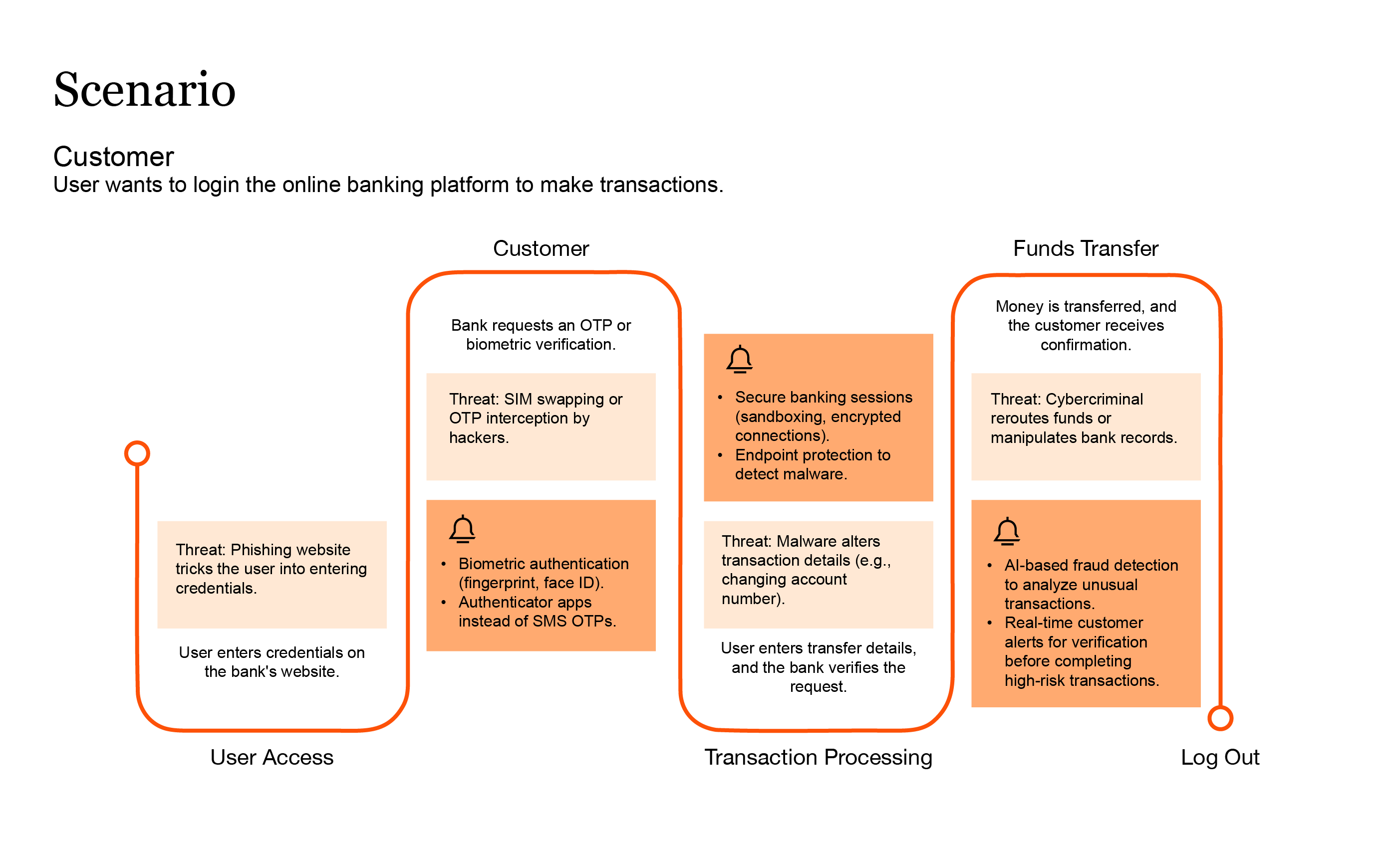
Figure 1: The value of a use case-driven approach to demonstrating cybersecurity’s role in risk reduction and business growth
Traditional cybersecurity strategies often prioritise hypothetical risks over measurable business impacts. To make cybersecurity relevant to executive leadership, use cases should emphasise both risk mitigation and business enablement aspects.
Consider an e-commerce company dealing with high rates of fraudulent transactions. Instead of offering a generic case for fraud prevention, cybersecurity leaders should outline a clear business impact:
Financial loss from chargebacks and fraud-related reimbursements
Operational disruption due to increased manual fraud reviews
Erosion of customer trust leading to decreased revenue
Cybersecurity as a strategic advantage
Developing a cybersecurity strategy that aligns with business goals is challenging. Many organisations default to producing technical, compliance-driven documents that fail to engage business leaders. This misalignment results in cybersecurity strategies that lack the necessary buy-in, leading to underfunded initiatives and missed opportunities to enhance security in a meaningful way.
Cybersecurity strategies must be reframed as business-oriented frameworks rather than purely technical roadmaps. By involving business stakeholders from the outset, conducting a thorough analysis of the current cybersecurity state, identifying relevant use cases and prioritising initiatives based on business impact, organisations can:
Bridge the gap between cybersecurity and executive decision-making
Demonstrate how security investments support business growth and customer trust
Ensure cybersecurity is embedded in strategic planning, rather than treated as an afterthought
A well-crafted cybersecurity strategy, built on use cases and real-world scenarios, can shift security from a technical challenge to a strategic business advantage. By making cybersecurity a boardroom conversation grounded in tangible business outcomes, organisations can unlock its full potential as a driver of trust, resilience, and growth.
Sources:
1- Tool sprawl – The uncontrolled growth or accumulation of security tools within an organisation
2- https://www.iso.org/standard/27001
Contact us
Haitham Al-Jowhari
Partner, Cybersecurity, PwC Middle East
Rayan Alshaikh
Director, Cybersecurity, PwC Middle East
Kholoud Alqahtani
Manager, Cybersecurity , PwC Middle East
Ali Qureshi
Manager, Advisory, PwC Middle East
Aya Khashoggi
Senior Associate, Advisory, PwC Middle East


