“The everyday choices of Middle East consumers reveal a more self-defined approach to health, shaped by personal wellness and nutritional goals. Consumers are making deliberate decisions about what they eat and drink — and are choosing to be more in control of their health.
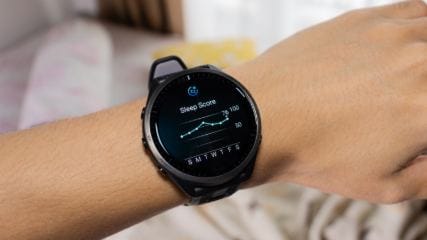
At the supermarket, attention is turning to healthier ingredients and supplements. There is a focus on protein. A wearable device tracks sleep, activity and recovery, while an app helps monitor progress. A visit to the pharmacy may involve questions about weight management, preventive health or wellbeing. And when a health concern arises, AI may be the first place to seek information, even if a healthcare professional remains the most trusted source of advice.
These everyday decisions reflect a broader shift in how consumers across the region approach health and wellness. Increasingly embedded in daily life, health and wellness choices are being driven by a desire to live longer, improve physical and mental wellbeing and take greater control of personal health. This reflects the wider consumerisation of healthcare, with individuals taking a more active role in decisions that were once largely guided by traditional healthcare providers. And they are prepared to pay for it.
PwC's Voice of the Consumer 2026 survey, drawing on responses from 2,614 respondents in Saudi Arabia, the UAE, Qatar and Egypt, reveals a Middle East consumer who is actively engaged in managing personal health. Half of regional respondents frequently plan their nutrition and track their sleep, while nearly six in 10 regularly monitor their fluid intake. Three-quarters turn to AI when they first have a health or wellness question, compared with just over half of their peers globally. There is a greater interest in personalised health insights, preventive screening and technologies that help them understand their health.
Yet greater engagement does not necessarily make healthier living easier. Despite reporting stronger overall health confidence than their global peers, Middle East consumers continue to struggle with sleep, stress, and even motivation. They are also navigating a growing range of products, services and sources of information, making trusted guidance and demonstrable value increasingly important.
For businesses, this marks a shift in where and how wellness demands are taking shape. Consumers are looking beyond individual products, favouring solutions that fit their lives, support their personal goals, and help them maintain healthier habits. The opportunity for healthcare providers, retailers, consumer goods companies, insurers and technology businesses lies in connecting products, services, data and professional expertise to support consumers throughout their wellness journey, not just at the point of purchase or care.”