



Findings from PwC’s 29th Global CEO Survey show that with near-term discipline in place, business leaders in Saudi Arabia are investing in new sectors, scaling AI and innovation, and building resilience to drive the next phase of economic expansion.
The Kingdom enters 2026 on strong foundations. Business leaders are focused on long-term growth. They are aligned with the Kingdom’s national ambitions and commitment to global excellence and are leveraging Saudi Arabia’s strengths to attract global capital.
Despite global headwinds, continued capital deployment by the government, along with structural reforms and sector-wide transformation, has strengthened economic growth prospects and business confidence in the Kingdom.
Riyad Bank’s Purchasing Managers’ Index (PMI), a key indicator of business confidence, stood at 57.4 in December 2025, well above the 50 threshold that signals expansion, pointing to continued strong growth in Saudi Arabia’s non-oil private sector.1
29th-ceo-survey-saudi-arabia-findings-2026 intro
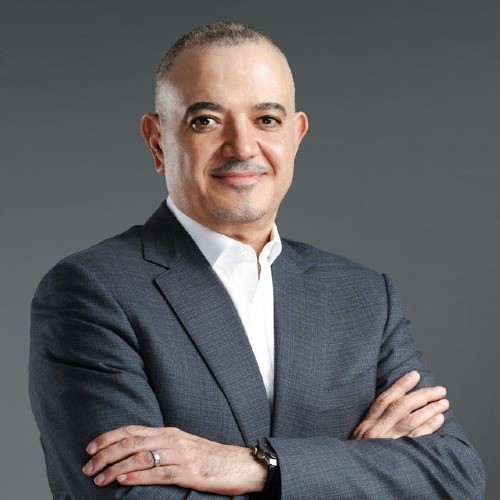
"CEOs in Saudi Arabia are entering the next phase of growth with confidence and clarity of purpose. By leveraging the Kingdom’s leading investment capabilities and Vision 2030 growth agenda, business leaders are investing in AI, innovation and new sectors to build resilient, future-ready organisations. This ambition is rooted in a shared responsibility and immense pride in our nation, and a collective drive to compete and lead globally."
Key findings for the region
% of CEOs in Saudi Arabia express confidence in domestic growth
Saudi Arabia ranks among the top destinations for international investment
% of business leaders in Saudi Arabia are expecting revenue growth over the next three years
% of business and organisation leaders in the Kingdom plan a major acquisition in 2026
% view innovation as critical to business strategy
% of CEOs in the country believe their organisational culture supports AI adoption
% of Middle East CEOs expect to significantly improve enterprise-wide cybersecurity over the next three years, while geopolitics remains the top concern
1 Confidence, capital and the growth momentum
In Saudi Arabia, almost all CEOs surveyed (94%) indicated exceptional confidence in domestic growth, compared to 55% of their peers globally (see Figure 1). This marks a significant improvement from last year, when 77% of CEOs in the Kingdom reported similar confidence.
Figure 1: What do you believe economic growth will be over the next 12 months in your territory?
2025 marked a generally robust year of growth for Saudi Arabia, despite external challenges and lower oil production linked to OPEC+ cuts. The gradual tapering of production restraints, alongside low inflation and low unemployment, and higher public spending under Vision 2030, supported economic activity. At the same time, softer oil prices and elevated spending widened the fiscal deficit compared with 2024.
Looking ahead, as production cuts continue to unwind, oil output is expected to rise, although concerns about potential oversupply may exert downward pressure on prices. Despite this, a firmer oil outlook should support stronger overall growth in 2026.
This outlook, however, remains subject to risks. Geopolitical tensions in the region and globally continue to cloud energy markets and may weigh on prices and investor sentiment. Against this backdrop, the Kingdom’s Vision 2030 agenda, with its sustained focus on diversification and non-oil sector development, provides a structural anchor for growth beyond oil market cycles.
The International Monetary Fund (IMF) believes that, despite multiple global shocks, Saudi Arabia’s real GDP remains strong and has commended the country’s progress in achieving the Vision 2030 goals.2 Based on expanding oil GDP estimates, the overall economic growth is projected to range between 4.8% and 5.1% in 2025 and reach 6.5% in 2026.3
Saudi Arabia emerges as a top global investment destination
The Kingdom has also emerged as one of the world’s top 10 destinations for foreign investment. According to the General Authority for Statistics, Saudi Arabia attracted US$31.7 billion in foreign direct investment (FDI) in 2024, a 24% increase on 2023, achieving the Vision 2030 target for the year. Manufacturing was the largest single recipient, accounting for 29% of the total inflows. 4
Key sources of foreign investment into Saudi Arabia include the United States, the United Kingdom, Italy and Canada.
Building on this momentum, a series of high-profile international forums hosted by the Kingdom in 2025 convened global investors, policymakers and corporate leaders, generating tens of billions of dollars in deal announcements and investment commitments across sectors – from technology and advanced manufacturing to real estate and tourism. For example, the Kingdom’s inaugural TOURISE Summit, focused on strengthening the tourism ecosystem, generated US$113 billion in investment commitments, while the annual Cityscape Global recorded real estate agreements exceeding US$42.3 billion, highlighting continued expansion in the property sector. Riyadh hosted its ninth Future Investment Initiative, which resulted in more than US$50 billion in signed agreements and pledges across artificial intelligence, advanced technology, renewable energy, and infrastructure.5
This investment momentum is translating into stronger business performance.
Survey findings indicate that businesses in Saudi Arabia continue to outperform global peers on revenue growth and profit margins for the most recently completed fiscal year, reflecting the non-oil economic expansion that has been supported by activity across sectors such as retail, tourism, hospitality and services (see Figure 2).
The outperformance reflects a set of structural advantages of the Saudi economy: sustained diversification agendas unlocking new high-growth sectors; expanding investment opportunities across technology, renewable energy, infrastructure, tourism and hospitality; increasingly business-friendly regulatory frameworks; a strong focus on digital and AI adoption; low inflation; and a high degree of resilience to external shocks.
Figure 2: How confident are you about your company’s prospects for revenue growth in the next three years? (NET SUMMARY: Very and extremely confident)
Short-term discipline, long-term revenue optimism
Despite a positive macroeconomic outlook, near-term revenue expectations remain measured. Only 35% of CEOs in Saudi Arabia are expecting revenue growth in the next 12 months, a decline of 22 percentage points from last year. This reflects a more cautious and disciplined mindset among business leaders, shaped by ongoing geopolitical uncertainty and a sharper focus on resilience and execution. While conditions are improving, the overall sentiment points to cautious optimism rather than rapid acceleration.
However, looking ahead, confidence doubles with 71% of business leaders in Saudi Arabia expecting revenue growth over the next three years, slightly below the GCC average of 76% but well above the global average of 49%. This suggests that while CEOs remain realistic in the short term, they are firmly positioned for growth in the long term as diversification efforts mature and non-oil demand continues to scale.
In Saudi Arabia, the operating environment presents fewer execution barriers for businesses. More than four in five (81%) say they have sufficient access to capital to fund new initiatives and almost nine in ten (87%) do not view bureaucratic processes as a material constraint, highlighting a business environment that is increasingly conducive to execution and operational optimisation.
2 Transforming with innovation and AI at scale
Innovation embedded at the core of strategy
The future-focused growth agenda is also reinforced by how deeply innovation is now embedded in corporate strategy. Nearly 65% of CEOs in the country view innovation as a critical component of business strategy, compared with 50% globally (see Figure 3). Half of the business leaders in the country are actively testing new ideas with customers, and 42% have established dedicated innovation centres, reflecting a move toward more structured, scalable innovation models.
Importantly, risk appetite is rising, 42% percent of CEOs in Saudi Arabia report a willingness to tolerate high risk in innovation projects, above both regional and global peers, supporting faster experimentation and capability building. Innovation is also contributing to commercial outcomes, with new products and services accounting for an average of 14% of total revenue of CEOs surveyed in the Kingdom.
Figure 3: To what extent do each of the following statements characterise your company’s approach to innovation? (SUMMARY NET: To a large or very large extent)
Innovation in the Kingdom is increasingly AI-led. Rather than treating AI as a standalone technology, businesses are embedding it into core operating models to redesign products, services and decision-making. This is enabling new value creation and strengthening competitiveness across sectors.
The country is now a regional AI frontrunner. Key initiatives such as HUMAIN are playing a central role in building the Kingdom's AI ecosystem, including infrastructure (data centers, cloud), advanced Arabic language models, and applications, aiming to make Saudi Arabia a global AI powerhouse. LEAP 2025 also attracted US$14.9 billion6 in AI and technology commitments from global and local players, signalling strong investor confidence in Saudi Arabia’s ability to scale innovation, infrastructure and talent in parallel.
National AI investments translate into enterprise readiness
CEOs in Saudi Arabia demonstrate strong confidence in their organisation’s readiness to adopt AI, outpacing global peers across key foundations for AI adoption. Eight in 10 leaders believe their organisation’s culture enables the adoption of AI, 78% say they have the right technology environment to integrate AI, 61% report having a clear roadmap for AI initiatives, and 59% indicate the ability to attract high-quality ‘technical AI’ talent (see Figure 4).
Figure 4: To what extent do you agree with the following statements relating to AI use at your company?
This indicates the critical enablers that are in place to scale AI deployment and is translating into deeper, more widespread application across core business functions. Nearly half (44%) of CEOs report strong AI deployment in demand generation, 40% in support services, while 37% are already applying AI in strategic direction setting, indicating that AI is being embedded not only in efficiency-driven functions but also in leadership and planning processes (see Figure 5).
However, access to data reinforces a key constraint: Like their peers in the wider region, only 14% of CEOs in the Kingdom say their most-used AI tools have access to all relevant company data and documents, compared with 29% globally. This gap suggests that while Saudi organisations are applying AI more broadly, sustained impact will depend on strengthening data foundations, improving cross-enterprise data access, and embedding robust responsible AI and governance frameworks.
Figure 5: To what extent has AI been applied in the following areas of your business (SUMMARY NET: To a large or very large extent)
AI drives workforce expansion
With confidence in AI adoption outpacing their global peers, CEOs in Saudi Arabia are also signalling strong AI-driven hiring. Hence globally, while many CEOs view AI as a driver of job reductions, business leaders in the Kingdom expect hiring to increase across all levels – particularly in junior and mid-level roles. This expansion is driven by growing demand for technology-enabled positions and supported by the Kingdom’s Human Capability Development Program,7 as companies scale digital initiatives and require AI-literate talent to integrate advanced technologies into their operations.
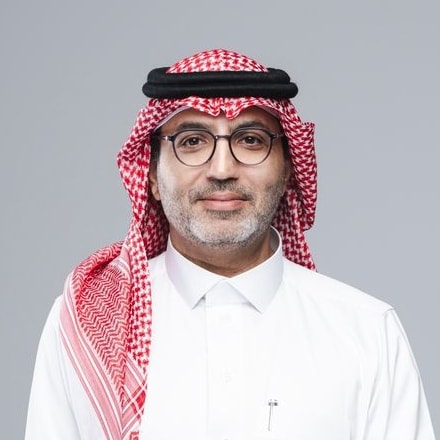
“CEOs in Saudi Arabia are operating through global uncertainty with ambition and intent. The focus is on execution, making deliberate choices, strengthening capabilities and managing risk to build resilient organisations and sustain long-term growth.”
3 Powering the competitive edge with cross-sector expansion
In a further sign of confidence, CEOs in Saudi Arabia are increasingly looking at mergers and acquisitions (M&A) as a strategic tool to expand and build new capabilities. Nearly three quarters of business leaders (73%) plan to make at least one or more major acquisition in 2026 worth more than 10% of their company’s assets, well above 41% of CEOs globally, and up from 68% in the Kingdom last year.
CEOs in the country are also looking at new sectors, aligned with the pace of the Kingdom’s diversification agenda. A notable 63% of CEOs in the country have begun competing in new industries in the last five years, up sharply from 47% the previous year and slightly ahead of peers across the GCC (59%) and the wider Middle East (60%).
Figure 6: In the last five years, has your company begun competing in new sectors or industries in which it hadn’t previously competed? (SUMMARY NET: Yes)
Looking ahead, in the next three years, 84% of CEOs in the Kingdom anticipate deal value to come from sectors outside their core industry compared to only 63% of their global peers. And almost one third expect this to amount to be 20% or more of total deal value - almost double the proportion of their global peers, but slightly less than GCC averages.(see Figure 7). This reflects the breadth of growth opportunities available within Saudi Arabia’s established priority sectors, including energy transition, tourism, logistics, financial services, healthcare, and construction. With significant scope to scale, diversify, and build capabilities within these sectors, CEOs are likely to face less immediate pressure to pursue cross-sector acquisitions outside their core businesses.
Figure 7: Of the acquisitions that your company is planning to make in the next three years, what proportion of the total deal value do you expect will be from sectors or industries outside your own?
Technology, Media, and Telecommunications have emerged as leading areas for diversification for CEOs over the next three years, reflecting accelerating AI adoption and digital transformation in the Kingdom. Consumer Markets, as well as industrials and services, also feature prominently in planned expansion (see Figure 8).
Figure 8: In which of the following industries (if any), outside of your own, will you seek to grow your business over the next three years?
The rationale for M&A is clear. CEOs in Saudi Arabia cite expanding market presence, accessing new capabilities, and entering new markets as the primary drivers of dealmaking. Notably, Saudi companies are also leading the region in using acquisitions to access new technologies and intellectual property (see Figure 9).
Figure 9: Which of the following statements describe your company’s motivations for undertaking these acquisitions?
4 Strengthening resilience in an uncertain world
Survey findings indicate that more CEOs in Saudi Arabia have a longer-term planning strategy than their global peers, with 27% dedicating their time to planning five years or more ahead, compared with 16% globally, and above both the Middle East (23%) and GCC (25%) averages. This reflects a deliberate focus on long-term value creation, consistent with the Kingdom’s multi-year national transformation agenda and greater alignment between public- and private-sector planning horizons.
Just over a third of CEOs in Saudi Arabia focus primarily on priorities within the next 12 months, below the global average of 47%. Business leaders in the Kingdom are more likely to operate with greater clarity on the long-term economic strategy, enabling them to plan beyond the near term. Supported by a strong regional track record of navigating change, they are well positioned to manage disruption and adapt through periods of uncertainty.
Geopolitics, cyber, and climate risks rise on the agenda
When asked about the issues that concern them most today, 29% of CEOs in Saudi Arabia cite preparedness for a major geopolitical disruption, while 25% point to transforming their business fast enough to keep pace with technological change. A further 25% highlight concerns over innovation capability in an uncertain future, underscoring that the leadership agenda is as much about internal readiness as it is about external shocks.
For more than half of CEOs in Saudi Arabia (52%) geopolitical conflict is a primary concern for the year ahead, and 21% expect to scale back new, large investments as a result (see Figure 10). Cyber risk has moved to second place (31%), broadly in line with global peers. Climate risk has also risen sharply, now ranking as the third-highest concern, with 27% of CEOs worried about it, up from 17% last year. Recent years have seen record-breaking temperatures in the Kingdom, driving intense heatwaves and placing growing strain on water resources and public health.
Skills confidence is rising among Saudi CEOs
Concern about the availability of key skills has fallen sharply among CEOs in the Kingdom. While 40% cited skills shortages as a major threat last year, only 19% do so this year – suggesting growing confidence in the impact of national upskilling efforts. The Kingdom is strengthening its pipeline of future-ready talent, particularly in artificial intelligence. Universities are expanding specialised AI degrees and global partnerships, equipping the youth with advanced programming and machine learning capabilities. Reflecting this progress, nearly 70% of CEOs surveyed in Saudi Arabia report no difficulty in finding and retaining talent. When it comes to local workforce availability, 42% say they are able to attract Saudi nationals with the skills their organisations need—broadly in line with peers across the GCC.
Figure 10: How exposed do you believe your company will be to the following threats in the next 12 months? (SUMMARY NET: Highly or Extremely exposed)
Proactive risk mitigation becomes a competitive differentiator
In response to geopolitical risk, CEOs in the Kingdom are more likely than their peers globally to improve enterprise-wide cybersecurity (62% compared with 47% globally), reconfigure supply chains and critical supplies to more secure countries (48% compared with 17% globally) and reduce reliance on technology providers based in less trustworthy countries (40% compared with 21% globally).
The Kingdom of Saudi Arabia has sustained positive growth in 2025. Now, as the economy transitions to a more diverse one based on non-oil activities, the opportunity ahead lies in deepening productivity, embedding AI responsibly across core operations, and reinventing business models to compete globally. Leaders who invest now in talent ecosystems, data foundations, and resilient supply chains, and who use M&A to accelerate capabilities will be best positioned to shape the Kingdom’s next decade of growth and reinforce its role as a leading global economic hub.
Your next move

Contact us:
Consulting Partner, PwC Middle East
Riyadh Al Najjar
PwC ME Chairman of the Board & Saudi Country Senior Partner, PwC Middle East
Faisal Al-Sarraj
KSA Country Senior Partner, PwC Middle East