




Driven by a generation of young innovators, Egypt is becoming a centre for digital talent and enterprise, where partnerships across education and business are powering new opportunities for growth

Egypt’s economic future is being shaped by its people. With one of the youngest populations in the region and a rapidly expanding digital economy, the country has the right ingredients for broad-based, technology-driven growth. With approximately 60% of its population under the age of 30, the country’s demographic profile presents both a powerful opportunity and a national responsibility. Harnessing the energy, ambition and creativity of this generation will determine how effectively Egypt can translate its demographic strength into long-term prosperity.
Young Egyptians are connected, educated and increasingly entrepreneurial. They bring a digital mindset and an openness to new ways of working that can accelerate productivity, attract investment and expand opportunities. Realising this potential, however, requires coordinated investment in skills, enterprise and innovation.
Three areas are central to success. First, building stronger vocational and technical pathways. Second, positioning Egypt as a regional resource hub for digital and business services and third, deepening support for startups and entrepreneurs to drive innovation and job creation. Together, these actions can turn demographic advantage into lasting economic momentum.
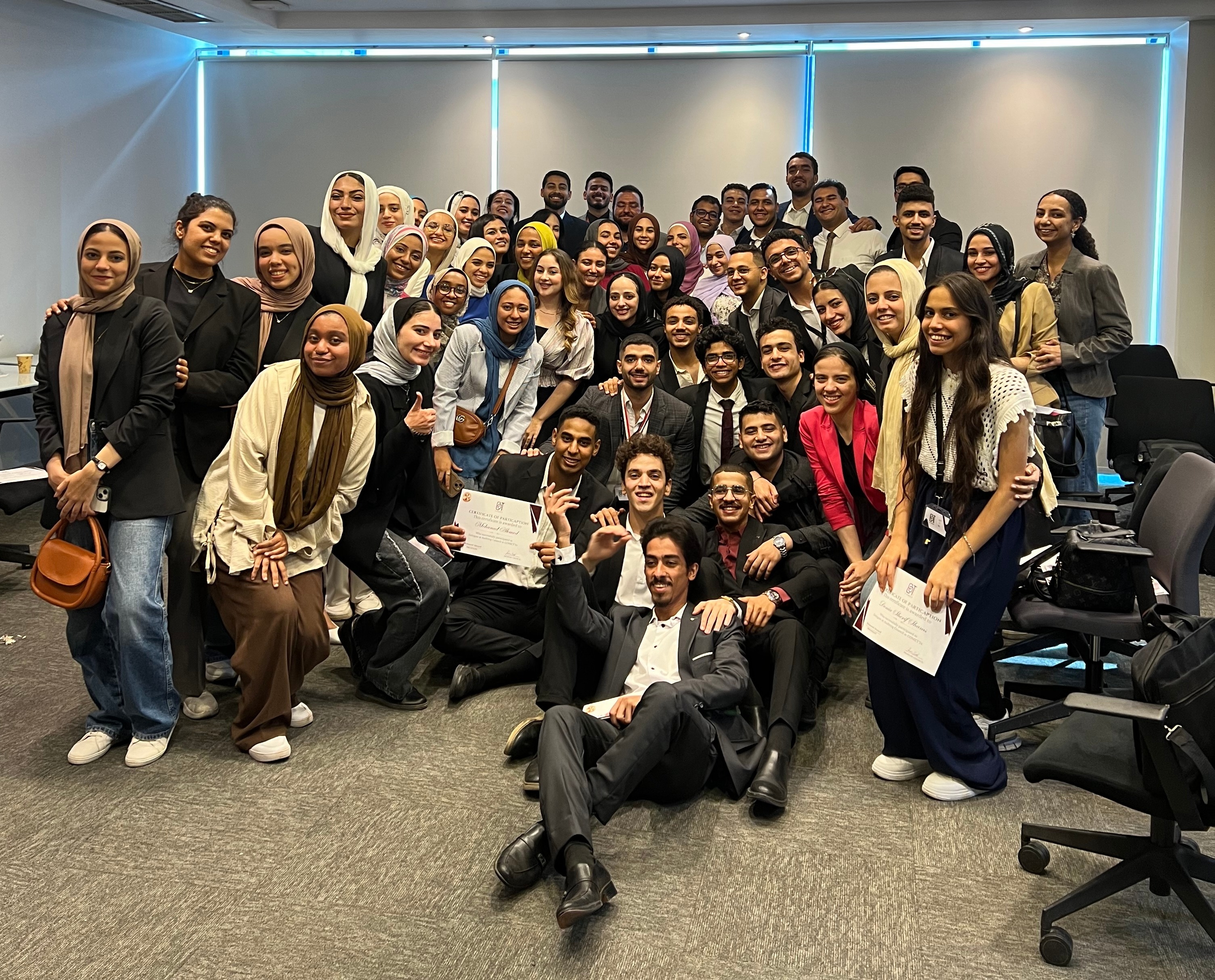
Expanding vocational and technical training
A competitive economy depends on a workforce that is skilled, adaptable and aligned with market needs. Strengthening vocational and technical education pathways is, therefore, essential to prepare Egypt’s youth for employment in high-growth sectors such as manufacturing, logistics and digital services.
National initiatives and strategies such as the Mehany 20302 programme, Technical Education 2.03 and Education Egypt 2.04 are equipping a new generation with the capabilities needed for tomorrow’s jobs. With millions enrolled in technical education, these reforms are helping reduce youth unemployment and promote inclusive growth.
By developing these skills at scale, Egypt can build a strong base of skilled professionals to support both domestic industries and foreign direct investment, as well as export skilled labour. This will ensure that Egypt remains an attractive destination for international partners. Strong public-private collaboration is key for training programmes that remain relevant, practical and accessible to all segments of society. Partnerships with universities, NGOs and international organisations are also helping align training with market needs, while mentorship and accelerator initiatives enable underserved youth to access opportunities in the innovation economy. Together, these efforts are building the foundations of a skilled, employable and future-ready workforce.
As more young people gain access to practical training, the focus must shift from learning to opportunity, creating more pathways into employment. This will enable Egypt to capture greater regional value and position its workforce at the heart of the country’s long-term competitiveness.
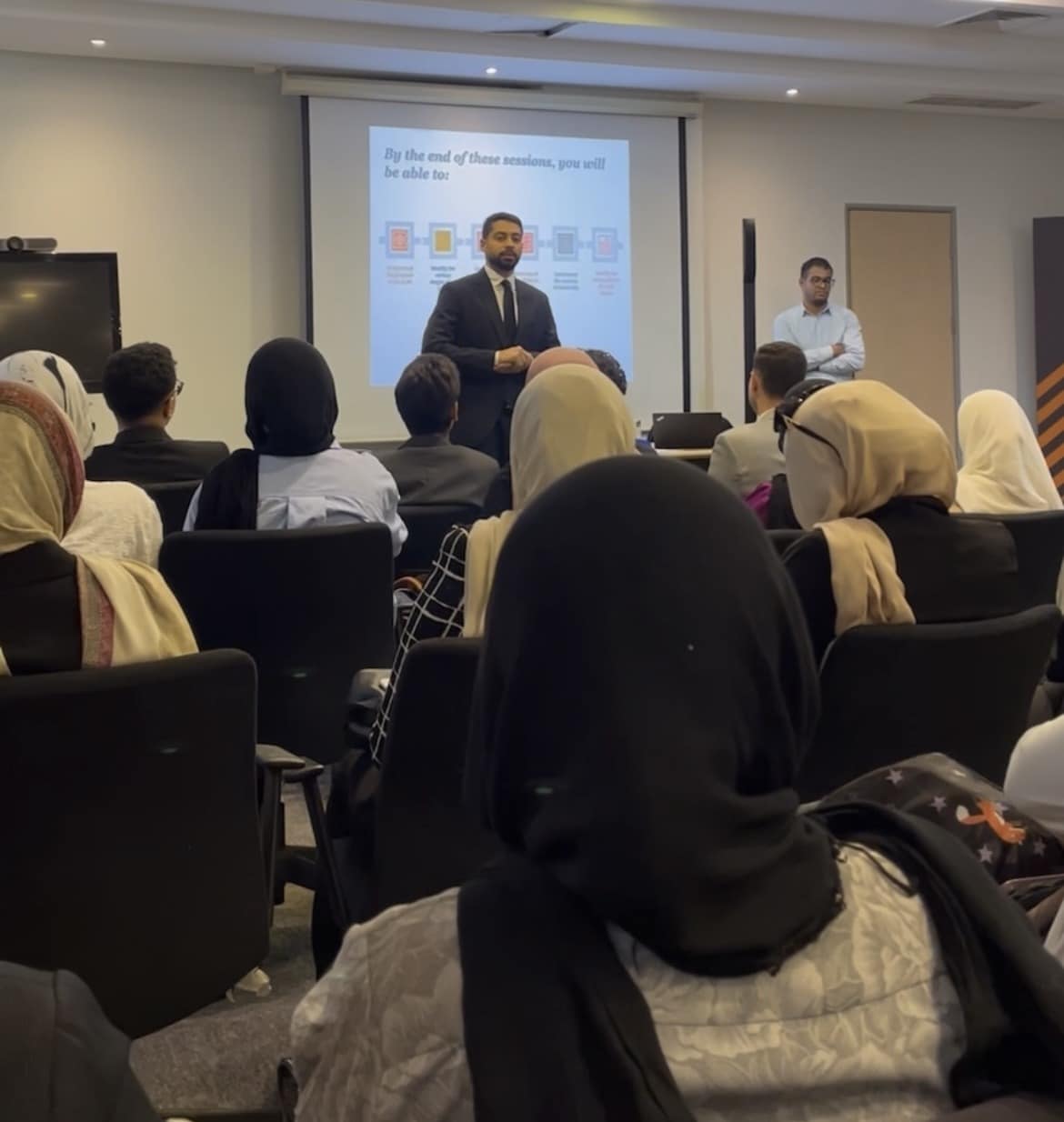
Strengthening Egypt’s role as a regional resource hub
Egypt’s strategic location, multilingual talent, and competitive cost base give it a distinct advantage as a regional hub for business process and digital services. The country’s rise to third place globally on the Offshore BPO Confidence Index (2023) highlights the growing confidence of international investors in its capabilities.5
Expanding the resource-hub model can generate significant economic benefits. Egypt’s time zone connects global markets, while its young, skilled workforce offers efficiency without the high operation costs often associated with other outsourcing destinations. In addition, value generated by these operations, including remittances, remains within the local economy, amplifying multiplier effects across other sectors such as real estate, retail and financial services.
Enhancing the free zones framework, improving digital infrastructure and maintaining a focus on upskilling in emerging technologies such as AI, cloud computing, and data analytics will enable Egypt to further solidify its position as a reliable and cost-effective delivery centre for regional and global clients.
Targeted incentives for tech investors, combined with partnerships between the public sector, academia, and global technology providers, can help Egypt evolve from a cost-based outsourcing hub into a value-driven digital delivery centre for regional and international clients.
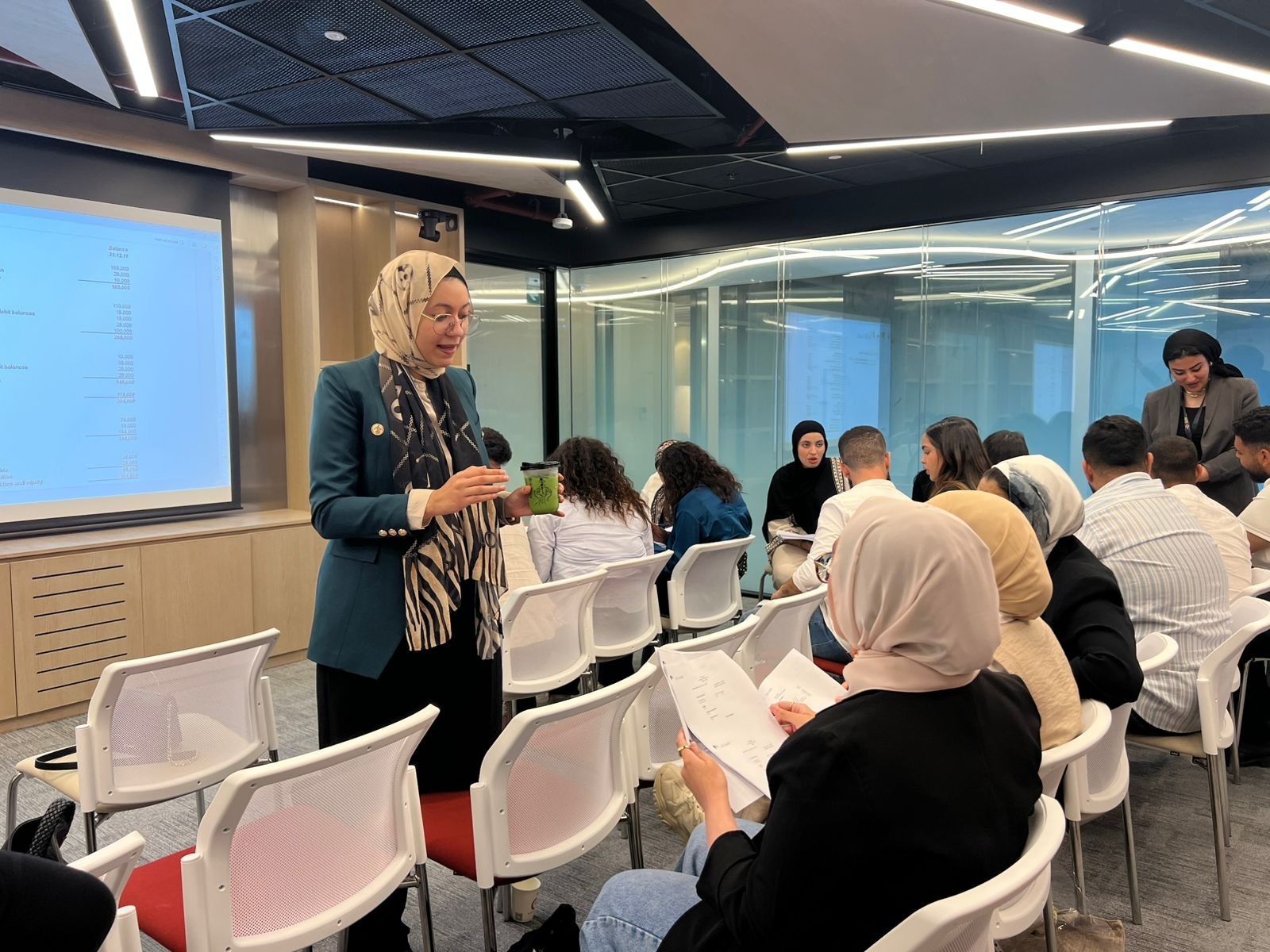
Supporting startups and building a competitive innovation ecosystem
Entrepreneurship remains one of the most effective drivers of innovation and employment. In 2024, Egyptian startups raised approximately US$329m across 78 funding rounds, maintaining their leading position in North Africa.6 This demonstrates the strength and adaptability of Egypt’s innovation ecosystem. To ensure this growth translates into sustainable economic impact, support for startups must focus on building scalable, revenue-generating businesses that create long-term value.
Key priorities include strengthening the regulatory framework, improving access to financing and encouraging collaboration between corporates, universities and investors. A stronger startup ecosystem will not only create more employment opportunities for young people but also reinforce Egypt’s position as a regional hub for innovation and entrepreneurship. By combining public-sector reform with private-sector investment in training, mentorship and enterprise development, Egypt can bridge the gap between education and employment at scale.
These collaborations are doing more than building skills – they are fostering a shared vision for inclusive growth and global competitiveness. As innovation accelerates and new opportunities emerge, Egypt’s digital transformation will showcase how a young nation can lead with talent, technology, and purpose.

Realising Egypt’s digital promise will require collective action. Public institutions, private companies and education providers must continue to align around a common purpose – creating opportunities for young Egyptians through technology and innovation. Strengthened public–private partnerships can be the difference between aspiration and impact, ensuring that the country’s digital transformation benefits every generation.