








Automatically generate fully compliant CESOP XML files, built to meet the exact schema and formatting requirements set by EU regulations for every Member State.

CESOP end-to-end reporting made simple
Automate compliance. Reduce risk. Gain control.
CESOP compliance is here. Is your business ready? The EU CESOP Directive introduces mandatory reporting obligations for Payment Service Providers (PSPs), requiring the submission of cross-border payment data to EU tax authorities. Non-compliance may result in increased scrutiny and potential penalties. Our comprehensive CESOP solution supports you from assessment to automated reporting, ensuring a streamlined and compliant approach.

CESOP reporting is now active. PSPs need to submit their quarterly reports to both their home and host Member State. Stay on top of your responsibilities.
What is CESOP and how does it impact you?
The Central Electronic System of Payment information (CESOP) is an EU-wide initiative that enables Member States to collect and analyse cross-border payment data to detect potential VAT fraud.
Under EU Directive 2020/284, PSPs—including banks, e-money institutions, and payment institutions—are required to record and report certain cross-border payment transactions to their local tax authorities.
If your business provides payment services or facilitates cross-border payments within the EU, these reporting obligations may apply to you.
Failure to comply with CESOP requirements may result in penalties, which are determined and enforced at the discretion of each Member State.


25+ cross-border payments
PSPs must report payee data when a payee receives 25+ cross-border payments in a calendar quarter.

All EU member states
Data is centralised at EU level and shared with national anti-fraud officials across all Member States.

Quarterly reporting
Reports must be submitted by the end of the month following each calendar quarter.
Our end-to-end CESOP solution
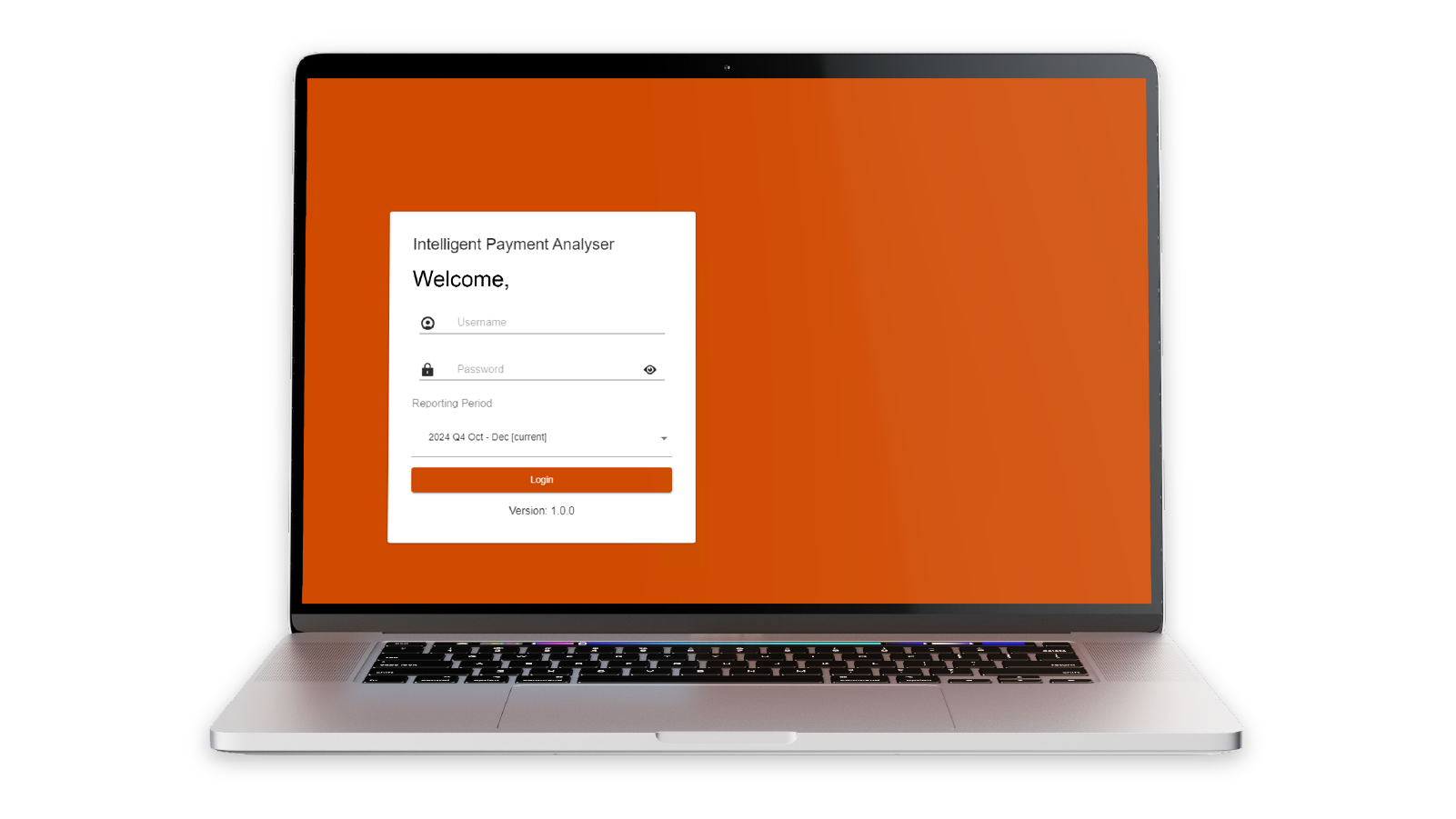
Intelligent Payment Analyser
At PwC Malta, we offer a complete, technology-enabled CESOP compliance solution, starting from initial readiness assessment to ongoing quarterly reporting. We simplify the process so you can concentrate on what matters most: your business.
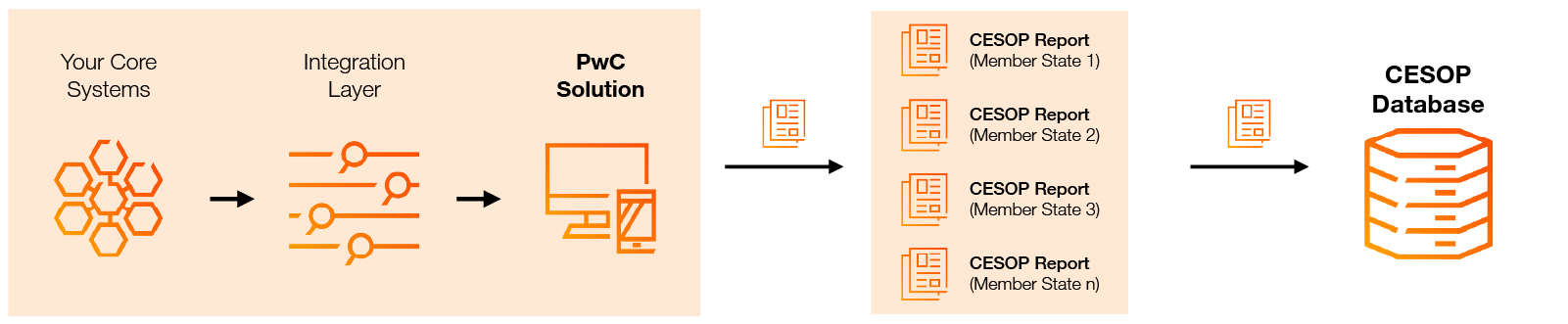
Our solution is designed to integrate directly into your systems. Data is ingested, filtered and processed automatically. Once reportable transactions are identified, the system produces CESOP-compliant XML files ready for upload, giving you peace of mind with minimal disruption.
Our solution outputs data in full alignment with CESOP’s requirements. Built-in validations ensure the accuracy and integrity of submissions before XML files are forwarded to the relevant authorities in each Member State.
Key Features
< Back
< Back
[+] Read More
Your path to CESOP compliance
Preparing for CESOP compliance requires time, planning, and the right partners. Starting earlier means you can confidently meet the directive’s requirements.
Here’s how we support your process:



Ready to move forward?
Let’s simplify CESOP compliance, together. Get in touch to learn how PwC can support you with technology, expertise and a proven path to readiness.
Book your free demo

Contact us





Follow us


