









cyber tech

Understanding Cyber Threats:

Insights from T-Pot Honeypot

In today’s digital landscape, grasping the complexities of cyber threats is crucial. This article shares key findings from T-Pot, an advanced open-source honeypot framework that our PwC Cyber Security & Privacy team deployed in Malta between August and October. T-Pot mimics real computer systems to attract and analyse cyber attacks, helping us understand threats specifically targeting the Maltese islands. During this period, we recorded over six million attacks, with more than five million involving Distributed Denial of Service (DDoS) packets.

Key Statistics

Total attacks in 2 weeks

4,980,592

Cyber attacks against our honeypot

10

Unique Country Locations

4.2M

Originating from Brazil

Top 5 Sources of network traffic

network service
  • United States
  • Brazil
  • Poland
  • India
  • China

Most attacked Ports

Between the 1 - 5 of October 2024

1,422,115

Port 53

Attacks
24,261

Port 123

Attacks
19,056

Port 23

Attacks
615,235

DDoS attacks in the span of 30 hours

5.7

DDoS attacks per second

569

Brute-force attacks and shell interactions from 18 unique IP addresses in the span of 30 minutes on SSH and Telnet

In Malta's digital landscape, the greatest threat to our security is the illusion that we are secure

Key Observations and Risks

Our analysis of T-Pot’s data revealed several significant threats targeting exposed services, showcasing the evolving tactics of attackers:

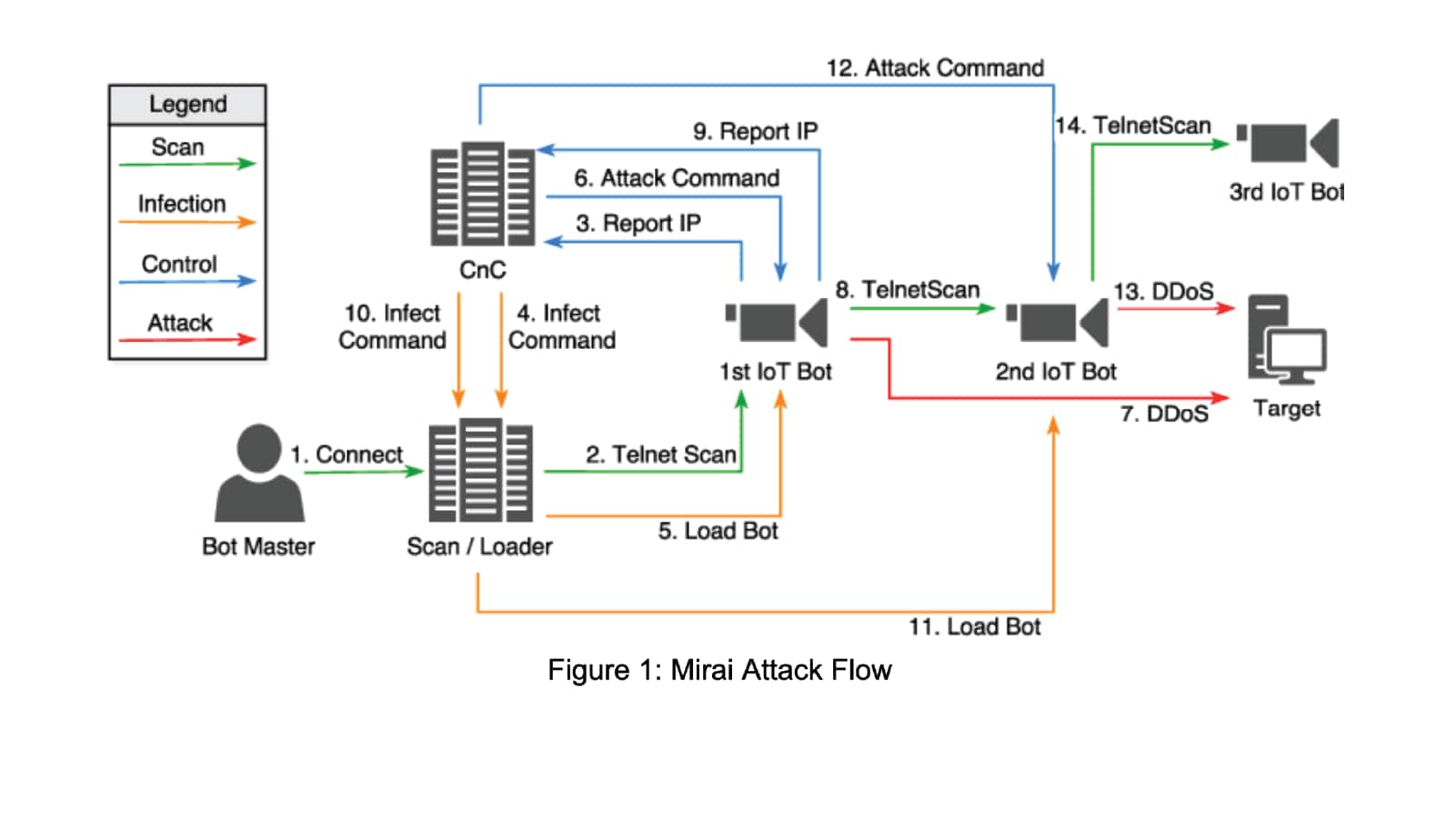
Malware is deployed to enrol victims’ devices into botnets like Mirai to be used for DDoS attacks
Attackers manipulate passwords to gain elevated access and compromise systems.

Attackers use cron jobs to keep malware active after reboots, making it harder to detect.

< Back

< Back
[+] Read More

We observed attempts to spread malware and extend attackers' reach.

Attackers used mail servers for phishing, risking reputation damage and IP blacklisting.

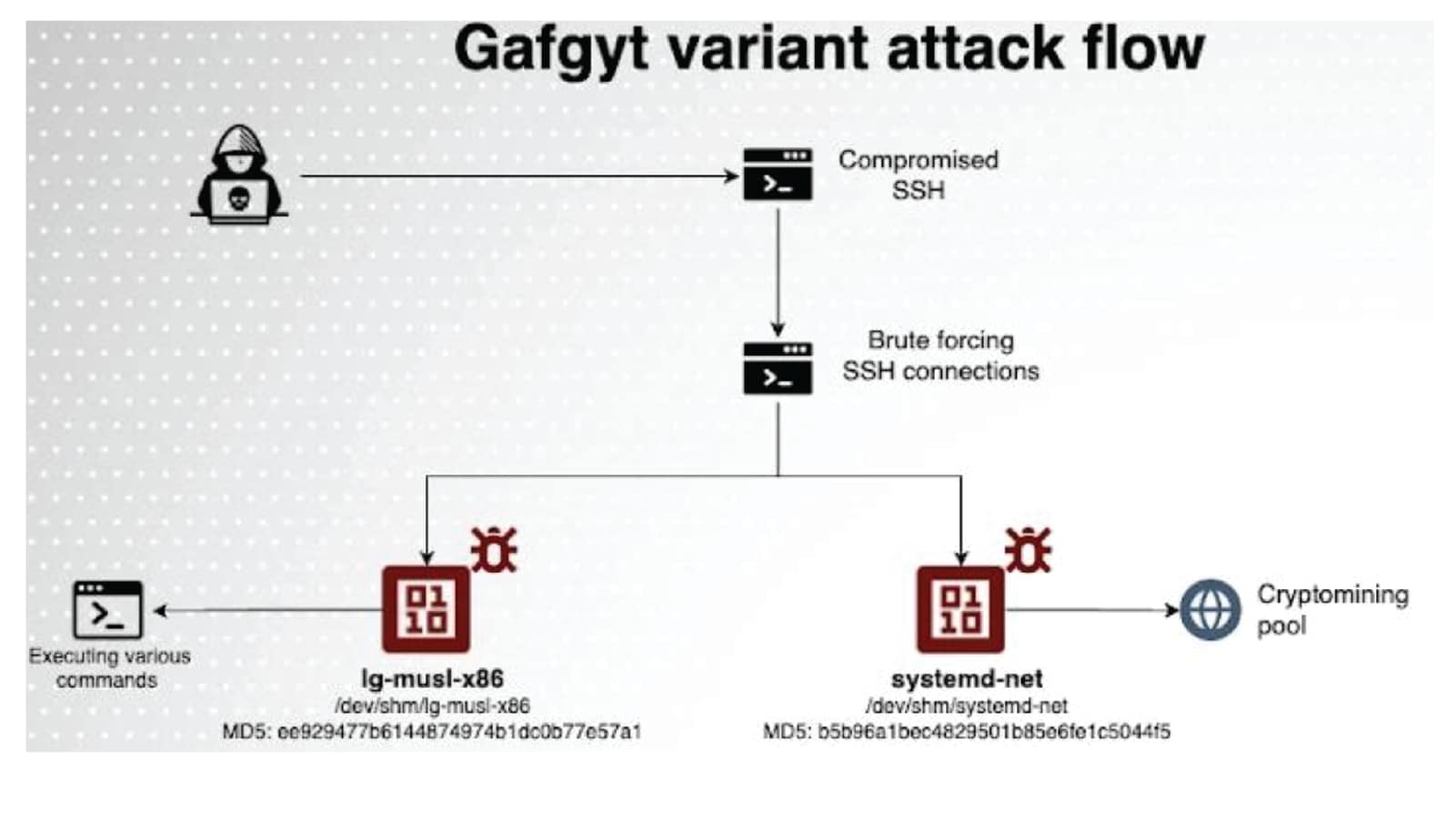
This hijacks system resources for unauthorised cryptocurrency mining, increasing costs and reducing performance.

< Back

< Back
[+] Read More

Emerging Threats: GAFGYT and Mirai Botnets

The GAFGYT and Mirai botnets are two notorious botnets using various malware strains to target IoT devices to enrol them in their network of bots. While Mirai is famous for exploiting default credentials to create a vast network of bots for DDoS attacks, GAFGYT utilises known vulnerabilities in devices like routers to achieve similar goals. Recent variants of these botnets even employ techniques to evade detection, such as hiding their activities within encrypted networks like Tor. The evolution of these botnets highlights the urgent need for robust cybersecurity measures and continuous monitoring of network traffic.

Conclusion

The insights gained from our T-Pot honeypot underscore the sophistication of current cyber threats and the importance of proactive measures. Organisations must stay informed and adopt strategies to detect and mitigate these risks, protecting their systems and data from malicious actors. By investing in advanced security solutions and fostering a culture of cybersecurity awareness, businesses can significantly enhance their defences against these ever-evolving threats.

Contact us

Andrew Schembri

Andrew Schembri

Digital Services Partner, PwC Malta

Tel: +356 7921 1355

Kirsten  Cremona

Kirsten Cremona

Director, Digital Services, PwC Malta

Tel: +356 7975 6911

Follow us