








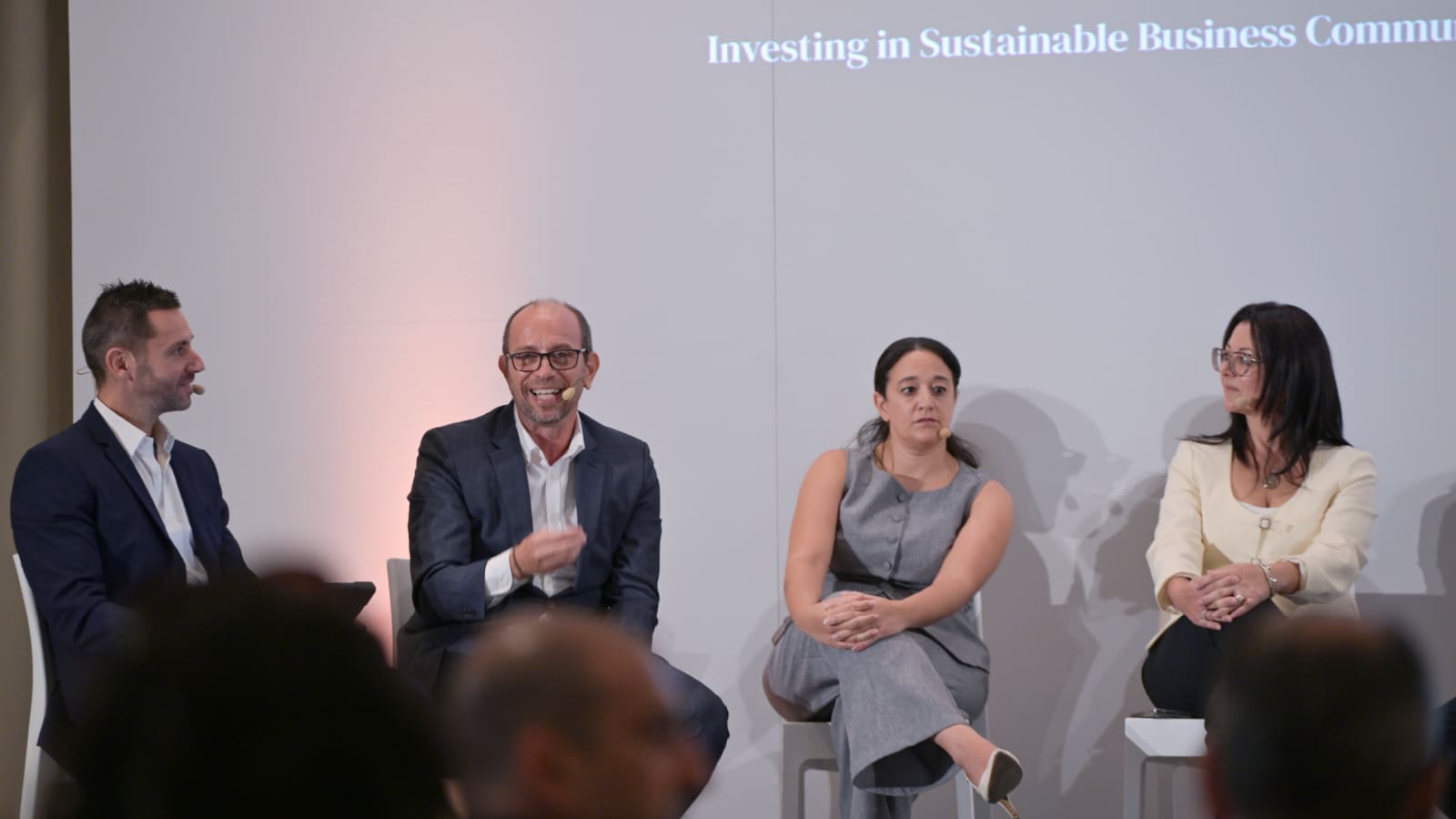
What was said
While the corporate reporting landscape might be changing, the importance of the EU Green Deal and the achievement of EU-wide targets remain a top priority. The simplifications being proposed acknowledge the maturity gap across organisations and sectors in Europe and so are aimed at easing the reporting burden and promoting competitiveness, without compromising on the overall goal to achieving climate neutrality. To this end, it was acknowledged that reporting remains vital to a wide range of stakeholders, not least investors, particularly since the most severe global long-term risks are environmental.
Beyond reporting, meaningful change happens when sustainability policies and targets extend beyond strategy documents and become part of everyday decision-making. This transformation begins with identifying operations that cause environmental or social harm, and prioritising actions to mitigate or eliminate those impacts. Effective risk management is equally important as driving progress, as credibility is undermined when actions fail to align with stated ambitions. When strategy and funding are misaligned, even the most well-intentioned initiatives tend to fall short in execution.
Rather than impose and mandate, an interesting discussion around taking a bottom-up approach was mentioned, to accelerate adoption and ensure broader consensus, particularly with SMEs. Piloting innovative solutions and disseminating best practices through local networks can help make responsible behaviour visible and more practical.
In fact, SMEs are already experiencing increasing market pressure. Even without formal reporting mandates, banks, suppliers, and markets are requesting sustainability data. This reality underscores the need for stronger alignment between policy and business. To this end, companies require support to address immediate operational challenges and align to policy frameworks with long-term objectives. Targeted incentives and practical assistance can help bridge this divide.
Why it matters
Addressing sustainability is key in today’s rapidly changing world to protect value at risk and unlock growth.
Maltese organisations, large and small, need to understand how sustainability enables strategic choices and how to harness ESG data for business decisions.
Transparency is rapidly becoming a market standard. Concerns over greenwashing are driving demand for reliable, comparable information, in line with existing regulatory requirements.
The EU Green Deal and evolving reporting expectations influence the entire value chain. Organisations that take proactive steps can mitigate risk, build trust and strengthen competitive advantage.
What can businesses do now
Understand adverse impacts > map environmental and social impacts and dependencies; prioritise actions to mitigate or eliminate the most material negative effects.
Embed sustainability into processes > integrate targets into strategy, budgeting, procurement, product development and performance management so responsibility sits with everyone.
Connect and enable SMEs > create clusters or partnerships to share tools, templates and training; co‑invest in simple, standardised data solutions that reduce burden.
Report with purpose > for SMEs, a short voluntary report can double as a management tool to set priorities and strengthen resilience.
Engage with policymakers > share practical barriers and co‑design solutions that address immediate business needs and longer‑term transition objectives.
To explore how these principles can be applied within your organisation, and to learn about practical tools for SME-ready sustainability reporting and data, please contact the PwC Malta Sustainability team.
This content is for general information only and does not constitute professional advice.
How can we help?
Beyond supporting your existing or planned sustainability initiatives, our teams can assist your organisation in meeting reporting and strategic requirements. This could include support with identifying material sustainability issues, conducting carbon footprint assessments, reviewing ESG data and systems, and delivering targeted ESG training.
In addition, we can help organisations align sustainability goals with business strategy, leverage data analytics to monitor progress, and develop effective ESG approaches. If you are interested in exploring these opportunities, please reach out to our dedicated teams.

Contact us