








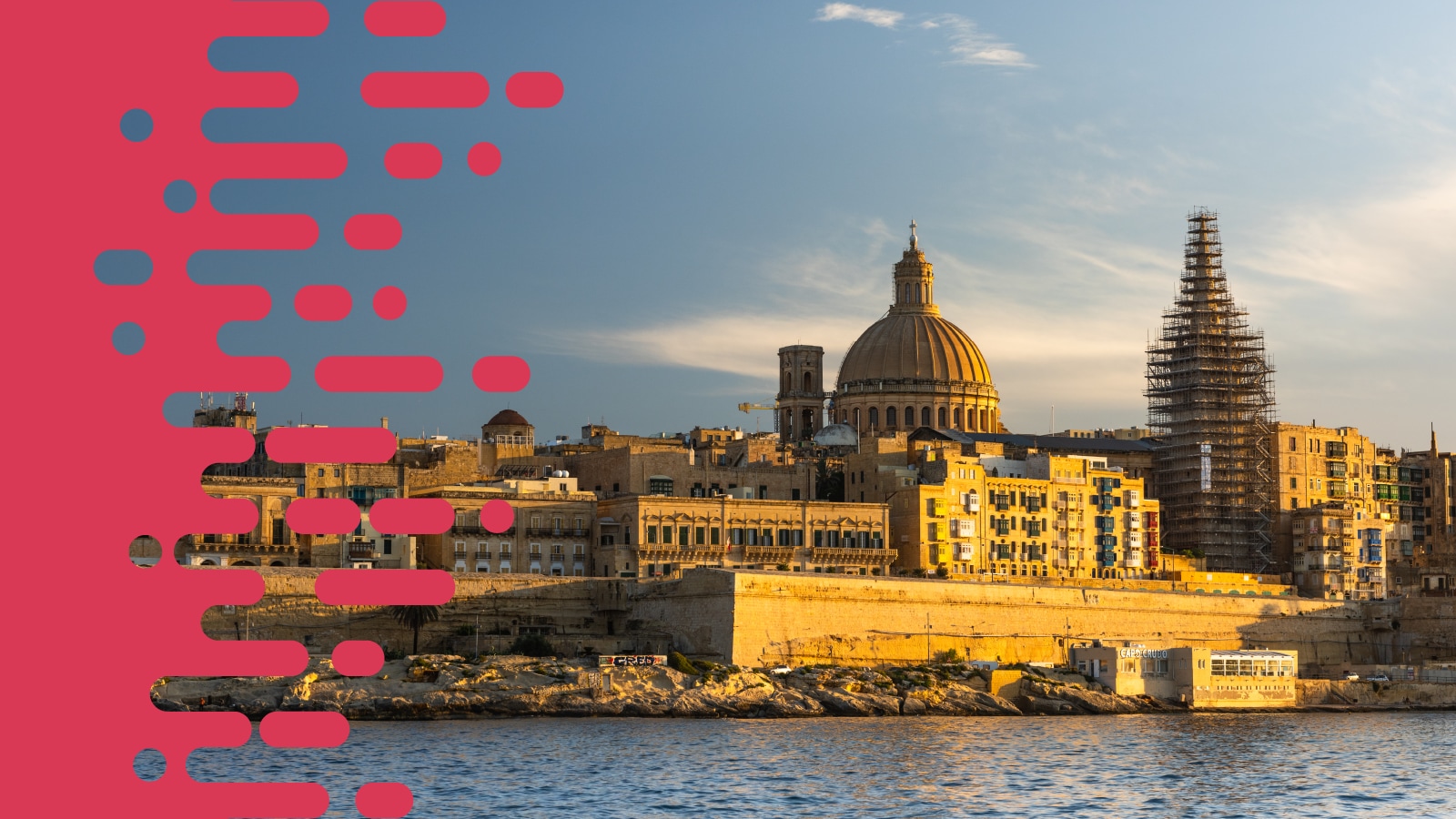
The shift in mindset around the modes of working, has driven a move away from traditional office settings towards remote working. This change is driven by a desire, especially among younger generations, to explore the world while continuing to perform their employment or self-employment activities from anywhere.
The Maltese Nomad Residence Permit enables third country nationals who can prove that they are working remotely from Malta, using telecommunications, to legally reside and work from Malta, even when the entities or customers to whom they are providing services have no presence in Malta.
Who is eligible to apply?
A third country national working remotely from Malta and falling under and of the following three categories may apply:
- an employee of a foreign registered employer regulated through a work contact; or
- a partner/shareholder of a foreign registered company who performs activities for the said company; or
- a freelancer or consultant who provides services to clients who are established outside of Malta and has a contract in place with such clients.
The applicant should also:
hold valid travel documentation;
hold a health insurance policy covering all risks in Malta;
hold a valid property rental or purchase agreement in Malta;
pass a background verification check; and
adhere to the standard procedures relating to visas and other permits.
In addition, the applicant should earn a monthly income of at least €3,500, gross of tax, in order to be eligible for this permit.
Subject to the approval of the Residency Malta Agency, dependents of the main applicant, including the beneficiary’s spouse and minor children (or adult children who are dependent on the main applicant due to medical or economic reasons) may also be entitled to reside in Malta under such permit, subject to the satisfaction of certain conditions.

Period of validity of permit
The permit will be issued for one year, and can be renewed on an annual basis for a total stay of a maximum 4 years at the discretion of the Residency Malta Agency.

Application fee
A non-refundable application fee of €300 for each applicant and each family member is applicable upon the application and every renewal. The application fee excludes any visa or residence card related fees.

Timeline
The application should be processed within 30 days of the submission of the full and complete application, together with all supporting documentation.
Tax considerations
Key points
A flat tax rate of 10% should broadly apply exclusively on chargeable income derived by the TCN from authorised work (as defined), subject to any relief from double taxation;
Generally, no tax liability should be triggered on income derived from authorised work before the end of 12 months from the date on which the Permit is issued, or 1 January 2024 – whichever comes later;
Other chargeable income derived by the TCN shall constitute the last part of the income and shall be subject to tax at the progressive tax rates (and the 10% rate should not apply on such other income);
Similarly, income derived by the TCN’s family members does not qualify from the flat 10% rate but will be subject to tax at the progressive tax rates;
In the case that any tax is due in Malta by the TCN and/or his/her family members, this should be reported in the income tax return – and subsequently settled through the said tax return.;
Maltese tax compliance registrations (in terms of registrations with the tax authorities and the filing of tax returns) should continue to be respected; and
A permanent establishment (‘PE’) should not automatically be triggered by the presence of the TCN in Malta. A review of the income tax position of the employer is normally required.
What does this mean for the individual?
Implications may vary substantially from one case to another, depending on specific fact patterns, a number of complex considerations (such as the ones discussed below) may arise.
- Considerations for non-domiciled and resident individuals
- Considerations for non-resident individuals
- Considerations in connection to social security contributions
- Employment law considerations
Considerations for non-domiciled and resident individuals
Such individuals are generally taxed on Malta-source income, certain Malta-source capital gains, and non-Malta source income remitted to Malta. An analysis is needed to determine the precise income streams subject to the 10% rate.

Considerations for non-resident individuals
An individual’s presence in Malta may not trigger tax residency if they do not exceed 183 days in Malta, lack significant personal/economic ties, and do not intend to establish tax residence.
Withholding obligations on payors of income ‘arising in Malta’ may be inadvertently triggered - particularly in the context of self-employed individuals/freelancers providing services to non-Maltese clients.
Considerations in connection to social security contributions
Generally, social security contributions are paid in the country where duties are performed (although some exceptions may apply). Issues may arise if an individual pays contributions in one country but resides in another, or if they have stopped paying contributions in their home country.
Employment law considerations
Particularly in the context of cross-border employees, legal complexities can arise, including (but not limited to) determining the applicable employment laws and conditions that should apply to a specific contract of employment, which can vary between countries.
How can we help?
PwC can help address your specific needs. We can help identify if the Nomad Residence Permit is suitable for you, prepare and monitor application forms and supporting documents for the permit and its renewal, and assist with Schengen or premium visa applications if needed. Our services also include legal reviews of property purchase or lease agreements, setting up meetings with real estate agents and insurance companies, and handling work and residence permit applications for dependents.
We provide advice on Maltese income tax considerations (including for corporates), payroll obligations and social security matters, ensuring compliance with all relevant regulations. Additionally we offer ad-hoc immigration, tax, and legal advice. Our team of lawyers, accountants, financial professionals, immigration specialists and tax consultants are dedicated to guiding you seamlessly through the application process, maintaining open communication with Maltese authorities to ensure a smooth and successful experience.

Contact us