









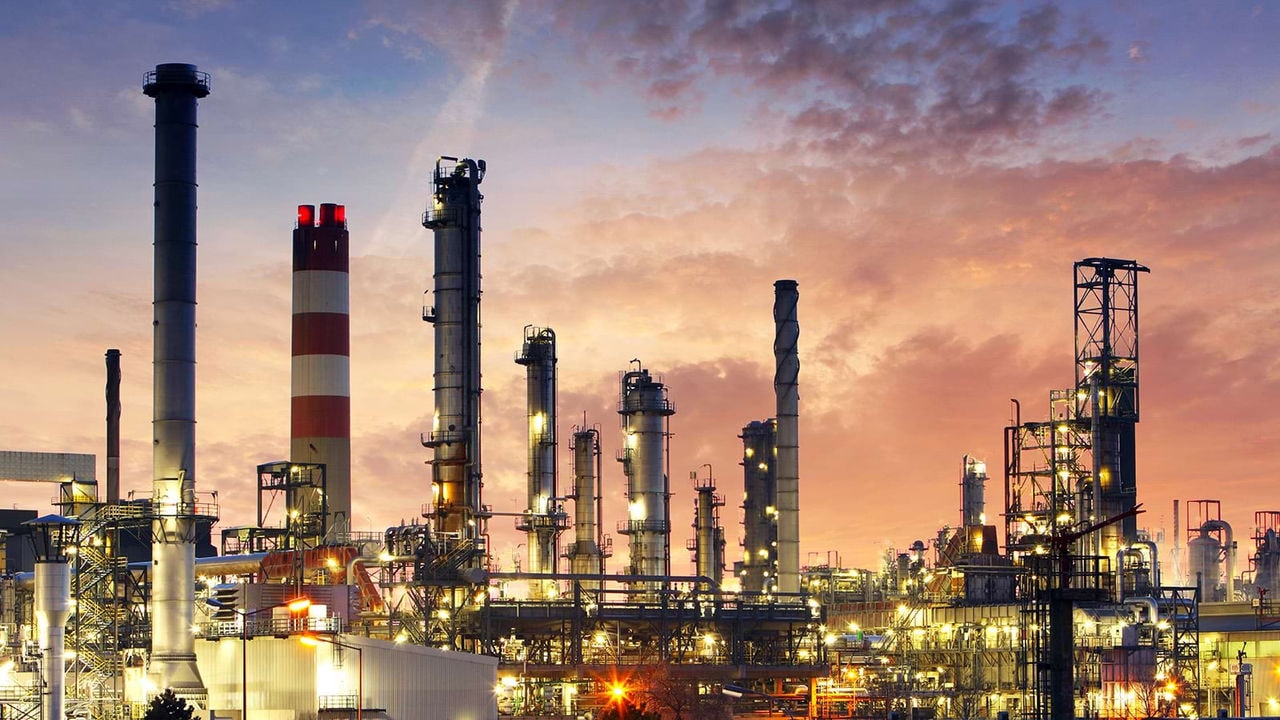
The announcement of the carbon tax in the recent budget marks a significant step in Malaysia’s evolving climate policy framework and its transition towards a low-carbon economy. With the pressures of rising global energy prices as a result of the US-Iran conflict, the timing of carbon tax implementation is being reassessed. Nonetheless, this is an opportune moment for companies to accelerate low-emissions initiatives that reduce exposure to fossil fuel price volatility and GHG emissions, while also lowering future carbon tax liabilities.
As policy details and implementation timing continue to be refined, organisations that act early will be better positioned to respond strategically and integrate decarbonisation considerations into decision‑making.
Key considerations in shaping Malaysia’s carbon tax framework
While the detailed design of Malaysia’s carbon tax has yet to be finalised, precedents from other markets offer insight into how such regimes typically operate. Ultimately, the success of Malaysia’s carbon tax will depend on a robust, transparent framework that balances environmental objectives with economic growth. Key considerations include:
Implications for reporting industries
Despite the delay in carbon tax implementation, it remains important for initially targeted sectors—such as iron, steel, and energy—to use this time to carefully plan their MRV systems and assess the opportunity costs of paying the carbon tax versus investing in decarbonisation measures. Key implications include:

New emissions reporting and carbon tax compliance requirements.
Companies must establish or enhance emissions tracking and reporting systems to meet regulatory standards and support accurate carbon tax assessment and payment.

Stronger incentives to improve efficiency and reduce emissions.
Businesses investing in energy efficiency and cleaner technologies can mitigate tax exposure and gain a competitive edge.

Increased cost pressures affecting margins and capital allocation.
The carbon tax will affect operational costs, influencing pricing strategies and profitability. These impacts will need to be weighed against the costs, benefits, and expected returns of decarbonisation investments.
Downstream industries, including manufacturing, construction, and logistics will be indirectly affected through supply chain cost pass‑throughs and rising expectations around sustainability reporting and Scope 3 emissions management.
The five fundamentals of carbon tax value creation
The key question for organisations now is how to prepare strategically for the carbon tax in a way that creates value—by lowering costs, improving investment discipline, and leveraging early decarbonisation. Successful value creation depends on developing these five fundamentals:

- Data foundations: Accurate, auditable emissions data
- Technology enablement: Digital tools enabling automation, reporting, analysis, and planning
- Value chain readiness: Engagement with suppliers and customers to manage pricing, demand, viability, and emissions across the value chain
- Execution and governance: Clear accountability and controls, including the adoption of internal carbon pricing
- Capacity building and just transition: Upskilling, change management, and transition support for the workforce and SMEs
Malaysia’s carbon tax will be a transformative opportunity for businesses to embed sustainability into strategy, strengthen operational resilience, and create long‑term value. Organisations that prepare early—by building strong data foundations and integrating carbon into decision‑making—will be best placed to lead in a carbon‑constrained economy.
Malaysia’s carbon tax:
Preparing for compliance, positioning for value
Navigating carbon tax
A quick guide for companies


Contact us