Electric vehicles (EVs), unlike internal combustion engine (ICE) vehicles, are not subject to fuel excise duties. To maintain parity between ICE vehicles and EVs, the Additional Flat Component (AFC) was introduced for electric cars and light goods vehicles in Budget 2020. This helps the Government to balance the loss of revenue from fuel excise duties, as the Government encourages the adoption of electric vehicles.
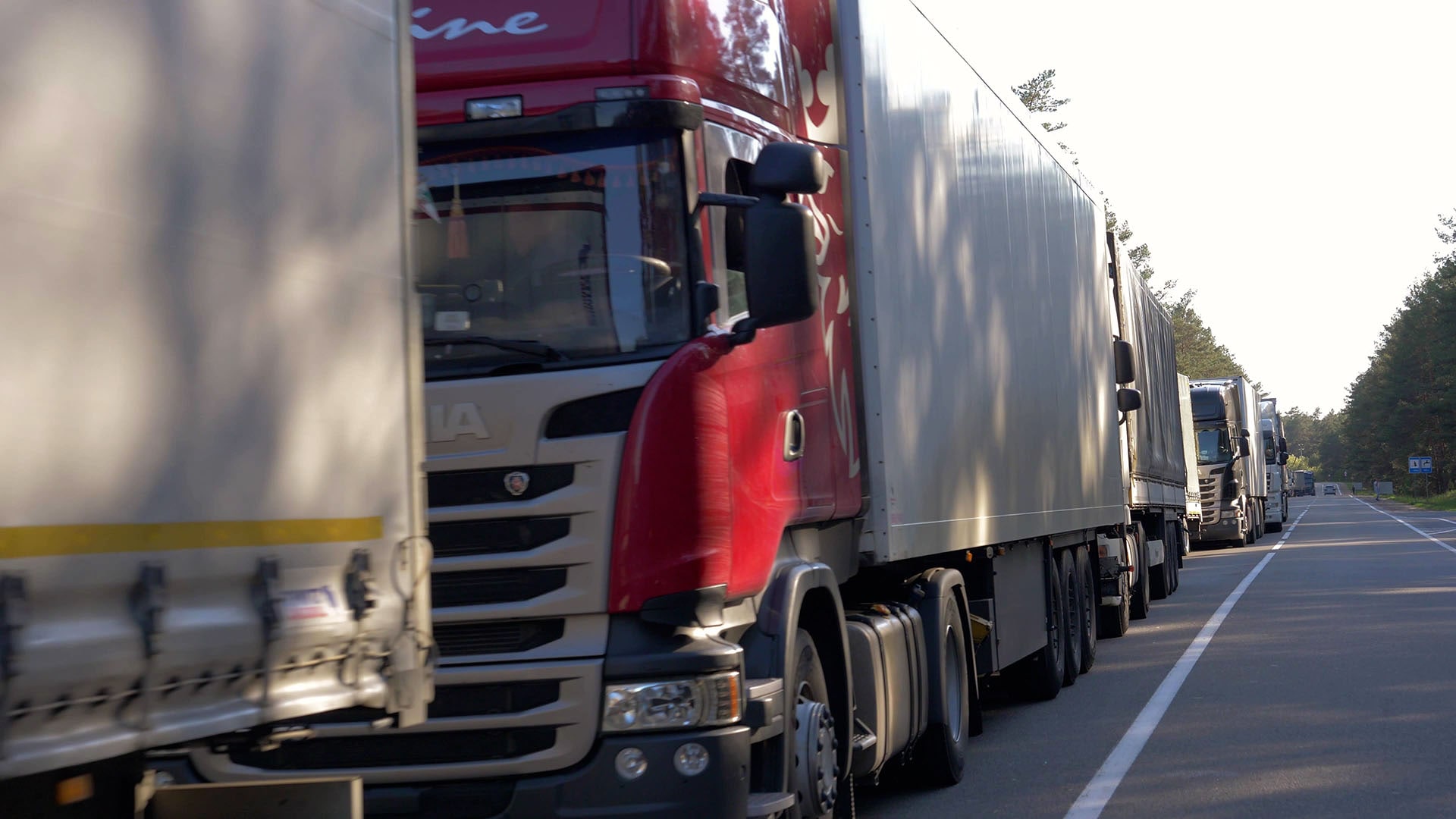
The AFC has now been extended to electric heavy goods vehicles (HGVs) and buses registered from 1 January 2026. The amount of AFC is based on the maximum laden weight of the vehicles, and charged at stepped-up amounts over three years to provide a transitional period for businesses to adapt. The following is the six-monthly AFC which will be included in the road tax payable for the various types of HGVs and buses:
| Licensing period | Vehicle type | ||
| Electric HGVs (goods vehicles with a maximum laden weight > 3.5 metric tonnes) | Electric buses with a maximum laden weight ≤ 3.5 metric tonnes | Electric buses with a maximum laden weight > 3.5 metric tonnes | |
| 1 January 2026 to 31 December 2026 | $50 | $25 | $100 |
| 1 January 2027 to 31 December 2027 | $75 | $50 | $175 |
| 1 January 2028 onwards | $125 | $95 | $275 |
As this AFC will likely increase operational costs for businesses using electric HGVs and buses, businesses may wish to explore incentives such as the Heavy Vehicle Zero Emissions Scheme to offset the increased costs of transitioning to a greener vehicle fleet.
Contact us

Marcus Lam
Executive Chairman, PwC Singapore
Patrick Yeo
Return to our commentary page


