Risk culture course for boards and senior management
Mon, 18 May 2026
Time
9:00am – 5:00pm | Networking drinks and canapés from 5:00pm – 7:00pm
Registration
8:30am – 9:00am | Level 3, Lobby
Location
7 Straits View, Marina One East Tower, Singapore 018936 | Level 12
Mode
In-person at PwC Singapore's office
Course objectives
PwC’s risk culture course has been curated to support members of board and senior management in acquiring the basic know-how in managing the risk culture of their organisation. Learning outcomes for course participants include:
- A comprehensive understanding of their duties, roles and responsibilities in relation to risk culture
- Practical insight on how to implement these responsibilities effectively within the organisation
- Specialist knowledge, incorporating principles of behavioural science, to enable proficient management and oversight of risk culture
Why it matters?
Risk culture is a key driver of an organisation’s ability to meet its strategic objectives and manage risks (defined as uncertainties in meeting objectives) effectively.
PwC’s 2025 Annual Corporate Directors Survey shows that boards increasingly recognise their ultimate accountability to establish and oversee a strong risk culture throughout the organisation. This responsibility is reinforced by regulatory expectations and industry developments, including the SGX Code of Corporate Governance 2018, which calls for the board to establish appropriate culture, values and conduct standards across the organisation. In addition, the Institute of Internal Auditors (IIA) has recently released the Organisational Behaviour Topical Requirement, effective on 15 December 2026, which requires internal auditors to assess the effectiveness of the board and senior management’s behavioural risk management.
For the banking sector, risk culture is particularly pertinent, given the heightened focus by the Monetary Authority of Singapore (MAS) on this topic. This is further underscored by the issuance of the Industry Practice Notes (IPNs) by the Association of Banks in Singapore’s Culture and Conduct Steering Group (CCSG) in September 2025, which sets the industry benchmark for good culture and conduct practices for banks to consider and adopt.
Beyond regulatory compliance, PwC’s CEO Survey also highlights that leadership tone and culture significantly impact performance, behaviour, and stakeholder confidence. Boards that actively promote and manage risk culture are better equipped to mitigate risks, adapt to change, and deliver sustained organisational value.
Who should attend this course?
This risk culture course is designed exclusively for:
- Board members with accountability and oversight on risk culture
- Senior management responsible for managing risk culture (typically, Chief Executive Officer, Chief Risk Officer, Chief Human Resource Officer, and Chief Compliance Officer)
- Any other senior management interested in acquiring knowledge to foster the desired risk culture within the functions under their purview
You should attend if you do not fully understand the following:
- roles and responsibilities of the board and senior management for risk culture
- governance structures over risk culture
- framework for managing risk culture
- application of behavioural decision science to managing risk culture
- practical considerations when implementing risk culture initiatives
Course outline
- Evolution of governance codes, industry bodies and professional standards to address risk culture concerns
- Duties, roles and responsibilities of the board and senior management for managing risk culture
- Governance structures and risk culture framework for maintaining visibility and proper accountability over risk culture across the organisation
- Key components of a risk culture framework, including:
- Setting desired behaviours
- Steering desired behaviours
- Measuring, analysing and remediating behaviours
- Introduction to behavioural decision science and its application to risk culture
- Assessment (multiple choice questions)
| Time | Programme |
| 8.30am – 9:00am | Registration |
| 9:00am – 9:30am | Opening and introduction to participants |
| 9:30am – 10:45am |
|
| 10:45am – 11:00am | Break |
| 11:00am – 12:00pm |
|
| 12:00pm – 1:00pm | Lunch |
| 1:00pm – 4:00pm1 | Introduction to risk culture framework, including:
1 A 15-minute break is scheduled from 2:45pm – 3:00pm |
| 4:00pm – 4:30pm | Assessment (multiple choice questions) |
| 4:30pm – 5:00pm | Closing and learning reflections |
| 5:00pm – 7:00pm | Networking with drinks and canapés |
Note: This course outline is indicative, and the actual topics or contents may vary at the discretion of PwC. A detailed programme will be sent to participants approximately one week before the course.
Course details
fix-textimage-alignment
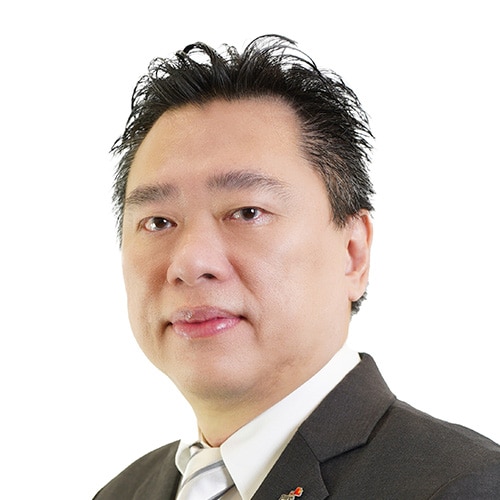
Alywin Teh, Partner
Risk Services
Alywin is a partner of PwC with professional and commercial experience in assurance and advisory services. He has advised clients on the design and implementation of culture and conduct related framework and tools, as well as methodology and approaches to auditing culture and conduct. Alywin has also assisted the Association of Banks in Singapore’s (ABS) Conduct & Culture Steering Group (CCSG) in developing industry practice notes to promote good culture practices. Alywin is a highly experienced and an avid trainer and facilitator who has conducted numerous trainings on the topics of culture and conduct. He has received favourable client testimonies for his work with clients. Alywin has also recently successfully completed an executive certification programme on Behavioural Decision Science: Judgments, Choices, and Behavioural Economics from the Singapore Management University.
Certification
Participants are required to attend a minimum of 75% of the duration of the course and complete an online course assessment (multiple choice questions). Upon successful completion of the course attendance and online course assessment, participants will be awarded with a digital Certificate of Completion.
Course fee
Participants’ fee: S$1,000* per pax for a one-day course
*Fee includes refreshments and lunch, as well as drinks and canapés served after the formal classroom training. Excludes 9% GST.
Cancellation policy
- Full payment must be made prior to attending the course
- Registered participants will be liable for the full fee even in the event of non-attendance
- Upon receipt of registration, any request for cancellation or a replacement must be confirmed in writing at least seven (7) working days before the course and subject to approval
- 10% administrative fee will be imposed for any cancellation or deferment received less than five (5) working days before the course
- PwC Singapore reserves the right to amend, postpone or cancel the course due to unforeseen circumstances
Stay tuned for our next session
Risk culture course for boards and senior management
* Class size is limited to 48 participants and seats will be reserved on a first‑come, first‑served basis. Registration will close 7 working days before the course date, or once the class size is reached, whichever is sooner.


Contact us