Emerging Trends in Real Estate® Asia Pacific 2026
The latest edition of the Emerging Trends in Real Estate® Asia Pacific 2026 report—developed jointly by PwC and the Urban Land Institute (ULI)—delivers a comprehensive outlook on investment and development trends, finance and capital markets, property sectors, metropolitan areas, and other key factors shaping the region's real estate landscape.
As we step into 2026, the 20th edition of the Emerging Trends in Real Estate® Asia Pacific report signals a cautiously optimistic outlook for the Asia Pacific real estate landscape. Sentiment has improved compared to last year, yet confidence remains uneven across geographies and sectors. Developed cities such as Tokyo, Singapore, and Sydney dominate investor preference, supported by liquidity, governance depth, and structural demand drivers. At the same time, niche sectors like data centres and living assets continue to attract capital, driven by megatrends such as digitalisation and demographic shifts. Conversely, China faces persistent challenges, with oversupply and weak sentiment limiting foreign investment, while India emerges as a selective growth story amid strong gross domestic product (GDP) performance and regulatory reforms.
Where capital is flowing: key sector trends
This year’s findings highlight a decisive pivot toward resilience and income stability. Investors are prioritising assets aligned with global megatrends—digital infrastructure, rental housing, and senior living—while sustainability and technology adoption have become integral to strategy. Data centres remain the top-performing niche, underpinned by artificial intelligence (AI)-driven demand, though access strategies vary widely. The living sector continues to institutionalise, with multifamily, student housing, and senior living offering defensive qualities and long-term income streams. Meanwhile, hospitality is rebounding on the back of tourism recovery, particularly in Japan, and retail is showing selective strength in Australia and Japan.
Despite the focus on new economy and living assets, traditional sectors are not without opportunity. Office markets in Tokyo, Singapore, and Sydney are benefiting from low vacancy and a flight to quality, even as oversupply weighs on Chinese Mainland cities. Logistics remains a favourite, supported by structural e-commerce demand, though short-term oversupply in some markets is creating pockets of caution. Retail performance is mixed, with luxury segments thriving in select locations while broader formats face headwinds. Across all sectors, rising construction costs and regulatory complexity remain key constraints, reinforcing the appeal of adaptive reuse and operational strategies over speculative development.
Top 10 sectors with the best prospects

1. Data centres

2. Industrial/ distribution

3. Hotels

4. Multifamily/ rented residential

5. Student housing

6. Senior housing

7. New for-sale housing

8. Self-storage

9. Life sciences

10. Affordable housing
Optimism in the market is highly dependent on perspective—where an investor stands and the opportunities they pursue can vary significantly. Across the region, some economies remain resilient and vibrant, while others face considerable headwinds. In such times, the preference for developed markets continues to dominate, even as emerging markets gain a modest foothold among the top 10 cities for development.
"We are doubling down on resilient gateway cities such as Sydney, Seoul, Singapore and, selectively, Hong Kong."
Global Investment ManagerCities to watch

Tokyo
Ranked #1 for investment, development, and office rental growth in 2026
- Tokyo maintains its pole position on the city's investment rankings. Its appeal stems from deep liquidity, transparency, and strong fundamentals across office, multifamily, and hospitality sectors. Tokyo's position as a global gateway city, coupled with infrastructure upgrades and robust tourism, reinforces its role as a safe haven for wealth and institutional investment.
- Despite its strengths, Tokyo faces challenges such as rising construction costs and labour shortages, which are constraining new development. While office and living sectors remain favourable, interest in logistics has cooled following oversupply. Nonetheless, Tokyo’s structural advantages ensure it remains the standout opportunity in Asia Pacific for 2026.
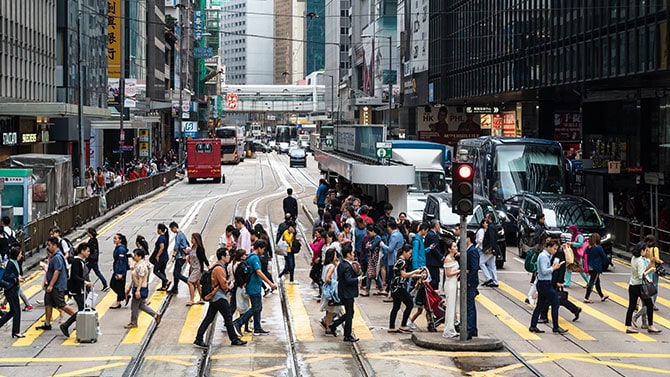
Hong Kong SAR
Ranked #10 for investment in 2026, up nine places from last year
- After years of prolonged downturn, Hong Kong SAR shows early signs of recovery. Student housing emerges as a bright spot, driven by surging demand from Chinese Mainland students and limited supply. Environmental, social and governance (ESG)-compliant Grade A offices are proving resilient, attracting hedge funds and financial tenants, while initial public offering (IPO) activity has also bolstered economic sentiment. Despite these green shoots, distressed opportunities persist, and investors remain cautious, given asset prices still sit well below cyclical peaks.
- Capital is lined up for Hong Kong SAR, but bid-ask spreads and lingering uncertainty continue to delay transactions. Retail faces structural challenges, with younger, cost-conscious tourists reshaping demand. Overall, Hong Kong SAR’s outlook for 2026 is one of selective recovery—focused on niche sectors like student housing and sustainability-led offices—rather than broad-based resurgence.
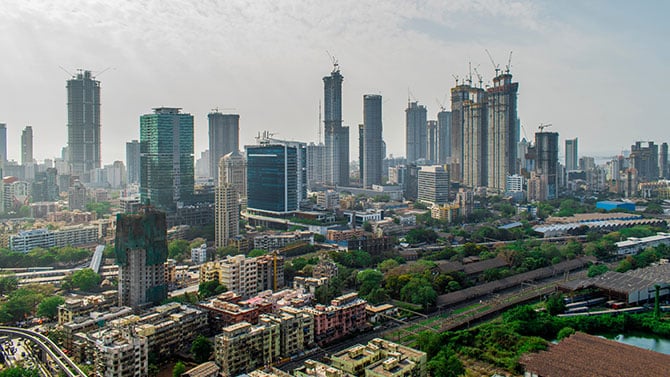
Mumbai
Ranked #8 for investment and #7 for development in 2026
- Transformative infrastructure projects—such as the Navi Mumbai International Airport and metro expansions—are set to catalyse the development of new logistics hubs and retail corridors. Mumbai remains India’s financial powerhouse and a magnet for foreign capital, particularly in the office sector, which accounts for the bulk of cross-border investment. Retail is gaining momentum, supported by rising consumer spending and global brand entry, while logistics benefits from India’s manufacturing push and domestic consumption growth.
- Despite strong fundamentals, Mumbai faces challenges such as affordability pressures and operational complexity for foreign investors. Nonetheless, its combination of infrastructure-led growth, demographic strength, and policy reforms position it as a key emerging market opportunity for 2026.
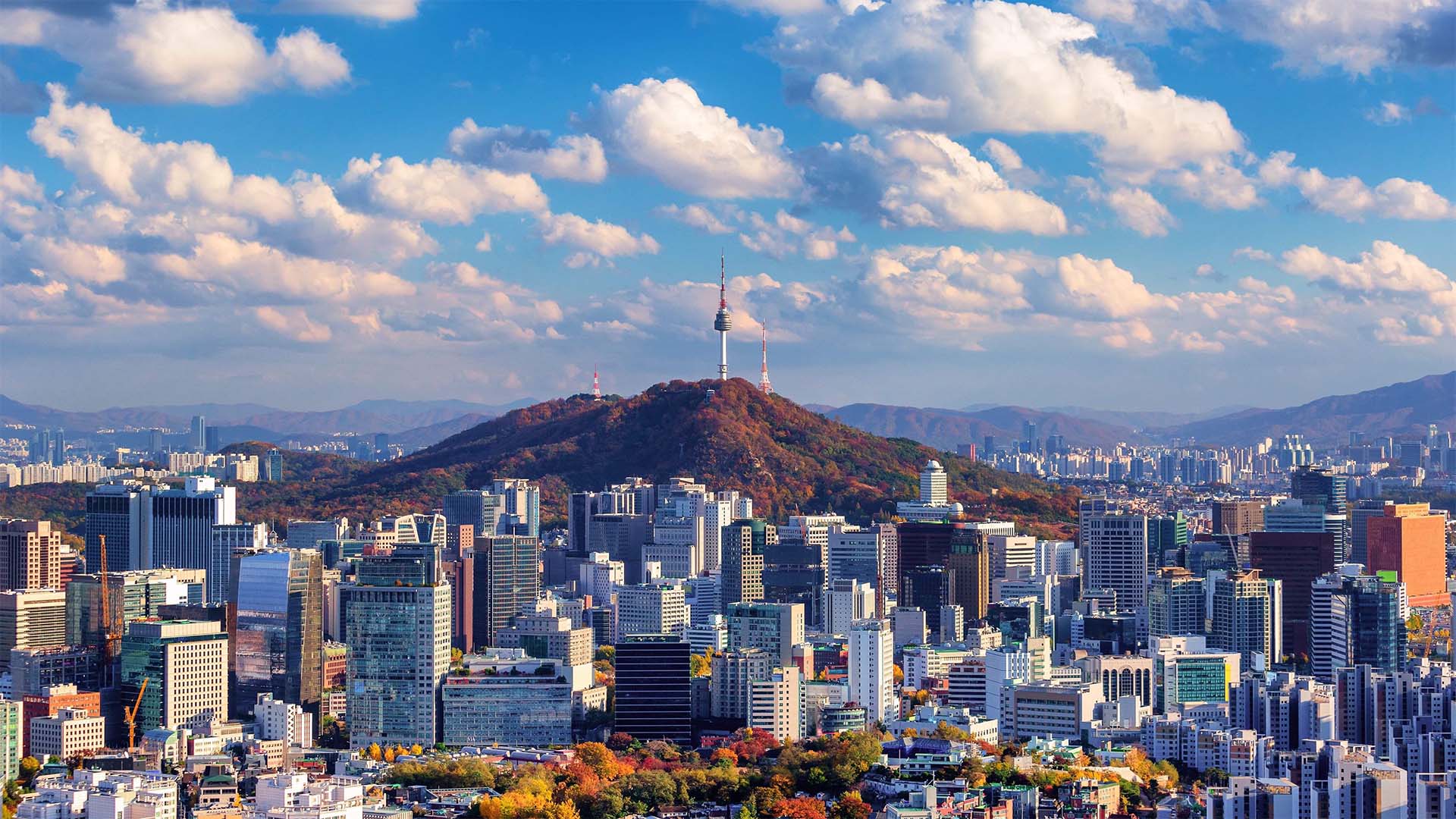
Seoul
Ranked #5 for investment and development in 2026
- Foreign investment has surged—doubling its share of total commercial real estate transactions between 2020 and 2025—underscoring Seoul’s status as a “safe harbour” in North Asia. Institutional confidence and liquidity inflows are driving activity, with pan-Asian funds showing heightened interest. Office fundamentals remain stable, supported by limited new supply and strong tenant demand.
- Investors are targeting resilient micromarkets across logistics, living, and hospitality sectors. The living sector is emerging as a key growth market, driven by demand from young professionals and international students. Hospitality is seeing record growth in average daily rates, and data centre expansion continues. These trends position Seoul as a diversified growth market with strong fundamentals and selective opportunities for 2026.

Shanghai
Ranked #12 for Investment in 2026, up six places from last year
- Shanghai retains its status as China’s most resilient and liquid real estate market. Domestic institutional capital continues to drive activity in core sectors such as apartments, retail, and hospitality, while adaptive reuse of obsolete office stock into rental housing and hospitality formats is gaining traction. Retail and logistics are stabilising, supported by consumption-driven policies and spillover demand from the Yangtze River Delta.
- However, office oversupply remains a structural challenge, with vacancy rates elevated and new supply continuing through 2027. Investors are recalibrating second-tier cities around Shanghai for logistics opportunities, mirroring Tokyo’s metropolitan pattern. Overall, Shanghai offers a cautiously optimistic outlook for 2026—anchored by policy support, domestic liquidity, and its role as China’s pricing benchmark.
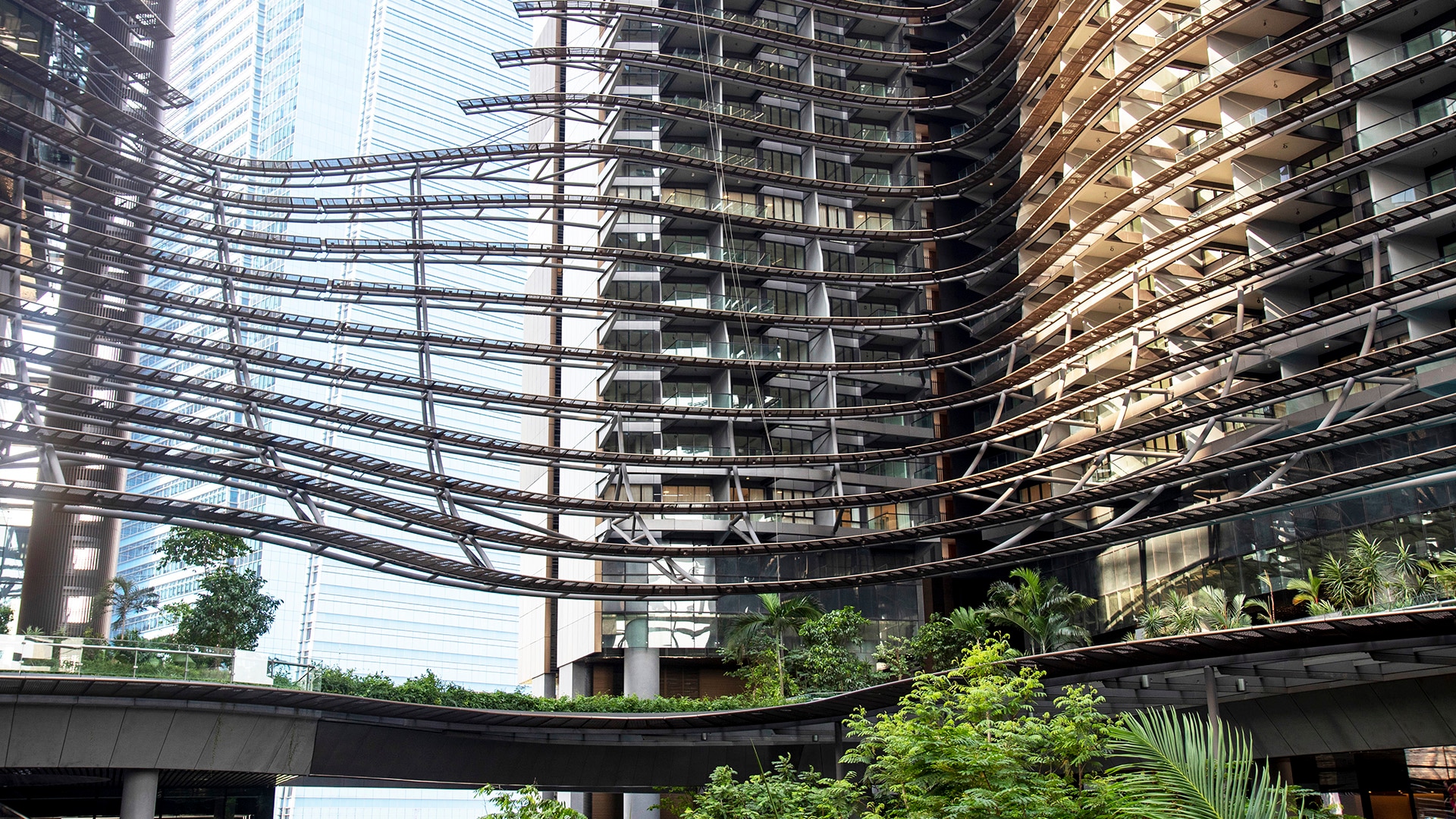
Singapore
Ranked #2 for investment and development, and #3 for office rental growth in 2026
- Singapore remains a safe haven for global capital. Its appeal lies in market stability, governance depth, and strong fundamentals across office and luxury retail sectors. Office vacancies are low, supported by multinational demand and adoption of smart-building technologies, while retail continues to outperform, buoyed by resilient tourism and high-income spending. The city also anchors Southeast Asia’s digital infrastructure network, though data centre growth faces land and power constraints, pushing incremental demand to Malaysia and Indonesia.
- Despite tight yields and rising construction costs, Singapore’s reputation for transparency and liquidity ensures continued investor interest. Private credit platforms are emerging as a growth avenue, supported by government initiatives, while family office expansion reinforces long-term wealth inflows. For 2026, Singapore offers stability and selective growth opportunities in premium office, retail, and digital infrastructure assets.

Sydney
Ranked #3 for investment, #4 for development, and #2 for office rental growth in 2026
- Sydney benefits from a flight to quality. Premium ESG-compliant office assets lead the recovery, supported by tenant upgrades and limited new supply. Logistics remains resilient despite short-term oversupply, and retail assets have re-emerged as high-performing investments.
- While construction cost inflation and policy uncertainty pose challenges, Sydney’s transparency, liquidity, and demographic drivers underpin its appeal as a core gateway city. Investors are prioritising operational strategies and adaptive reuse over speculative development, signaling a shift toward income resilience and ESG integration. For 2026, Sydney offers a balanced mix of stability and growth across sectors.
gsap_scrolltrigger