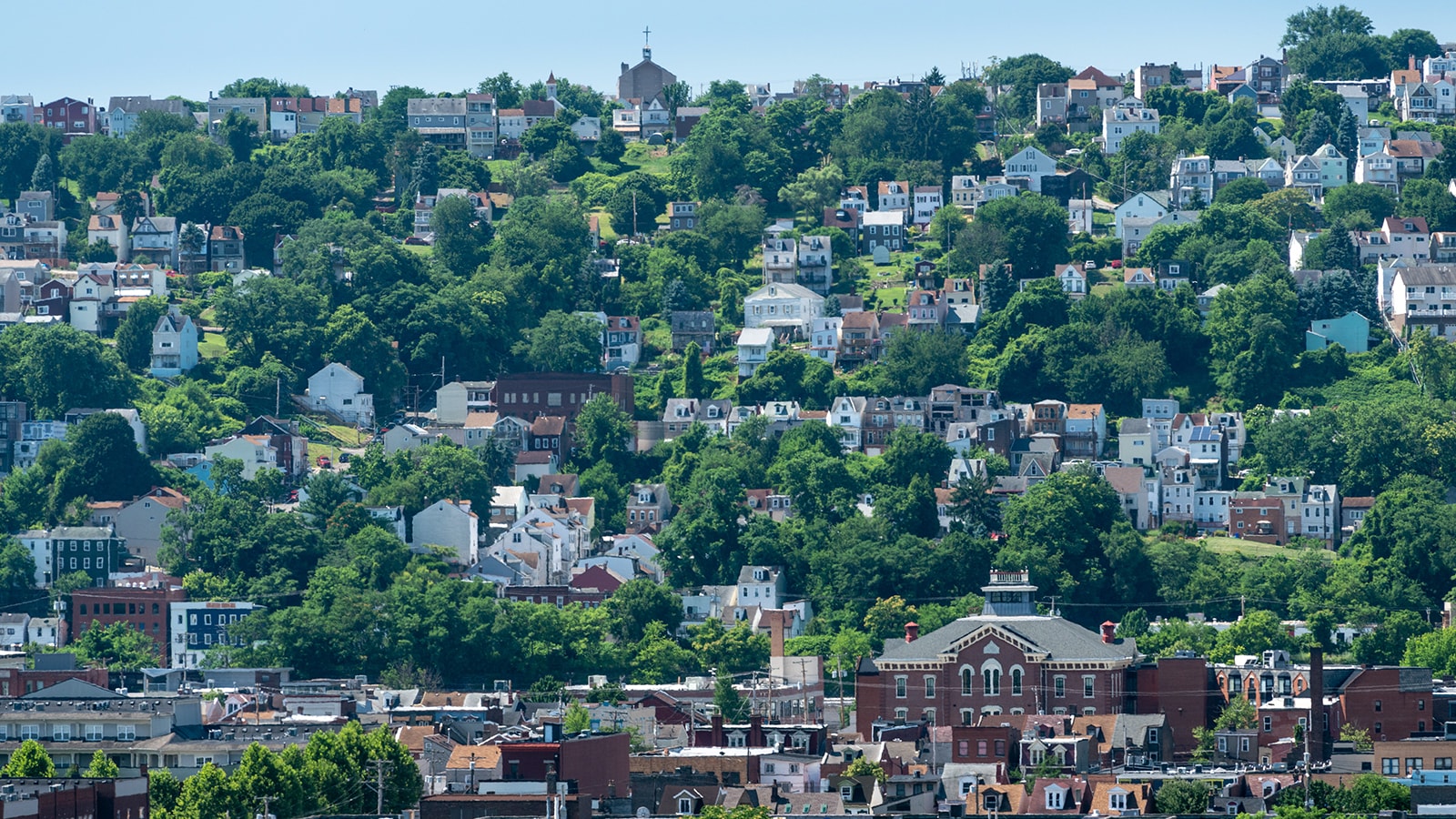
Pittsburgh’s transformation from an industrial center to a hub of technology, education, and health care innovation has accelerated over the past decade. The city has seen a revitalization of its downtown and surrounding neighborhoods, with several new residential and commercial developments.
An influx of tech companies—including major U.S. tech giants—has turned Pittsburgh into a burgeoning tech center, attracting a younger, more diverse population. In addition, the city’s robust education and health care institutions—including Carnegie Mellon University and the University of Pittsburgh Medical Center (UPMC)—continue to drive economic development. Infrastructure improvements and a focus on sustainability have also contributed to Pittsburgh’s reputation as a vibrant, livable city.
One of the key drivers of Pittsburgh’s success is its affordability. Compared with other major metropolitan areas, the cost of living—including housing and commercial rents—remains relatively low. This affordability creates an attractive environment for businesses looking to establish or expand operations, as well as for individuals seeking a high quality of life without the exorbitant expenses of other cities. The city’s commitment to improving infrastructure, transportation, and overall quality of life further enhances its appeal.
The city’s robust economy is bolstered by a diverse array of industries. Health care and life sciences are major pillars, with UPMC and the Allegheny Health Network driving innovation and employment. The financial services sector—anchored by multiple large banks—contributes significantly to the city’s economic strength. Furthermore, Pittsburgh is experiencing a surge in tech and innovation, attracting some of the largest technology companies. These key industries provide a solid foundation for commercial real estate investment, as they require office space, research facilities, and other commercial properties.
Despite a strong economic foundation, Pittsburgh’s office market remains challenged in its post-pandemic recovery. A lack of new construction is expected to whittle away the city’s record-high 17.3 percent overall office vacancy rate, while modest conversion and demolition activity will remove functionally obsolete buildings from the market. Trailing-four-quarter leasing volume, while 7 percent below the pre-pandemic average, is up by 9 percent year-over-year and by 143 percent from the pandemic-era low.
Pittsburgh’s educational institutions—including the University of Pittsburgh and Carnegie Mellon University—provide a steady stream of research talent that fosters innovation and attracts businesses. These institutions not only fuel the economy but also contribute to the city’s vibrant cultural scene and intellectual capital.
The city’s unique neighborhoods add to its allure. From the historic Strip District to the revitalized Lawrenceville and the cultural heart of Oakland, each neighborhood boasts its own character, attractions, and commercial opportunities. This diversity creates a broad range of options for commercial real estate investors, catering to various business needs and investment strategies.
Pittsburgh is also undergoing several major redevelopment projects, such as the transformation of the Lower Hill District into a vibrant, mixed-use center and the modernization of its international airport. These projects not only enhance the city’s infrastructure and appeal but also create opportunities for commercial real estate development and investment.
—CBRE


