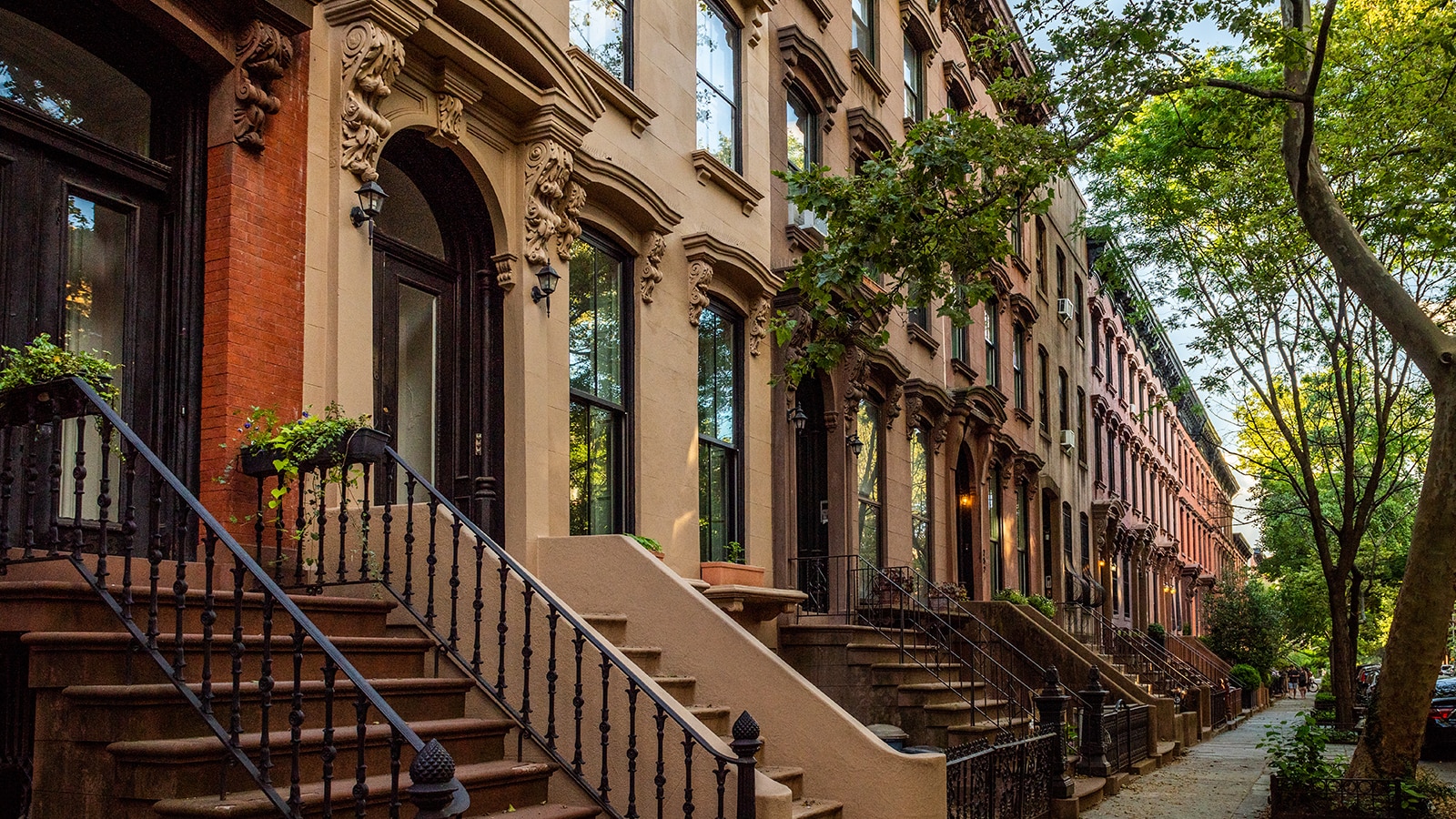
With a population of 2.7 million, the New York City borough of Brooklyn by itself would be the fourth largest city in the country. Given its size and cultural prominence, it is surprising that Brooklyn is “up and coming” from a commercial real estate perspective. With an office inventory totaling 37 million square feet spanning from the South Brooklyn Waterfront to Williamsburg/Greenpoint, Brooklyn alone is among the 40 largest commercial office markets in the country. Fifty-three percent of Brooklynites are either millennials or Gen Zers and 43 percent have a bachelor’s degree or higher, both of which bode well for Brooklyn’s longevity as a thriving commercial office market.
Brooklyn’s overall office vacancy rate of 17.9 percent has remained relatively unchanged since January 2020. The Downtown Brooklyn submarket, long a beneficiary of spillover demand from Manhattan, saw vacancy grow to 15.1 percent as of Q2 2025 from 5.4 percent in Q1 2020 due to the pandemic-related increase in remote work. Brooklyn’s DUMBO submarket office vacancy rate also increased to 29.3 percent from 24.6 percent over the same time.
Meanwhile, the Brooklyn Navy Yard, South Brooklyn Waterfront and Williamsburg/Greenpoint all saw vacancy rate declines of seven percentage points on average over the past five years. Shifting work patterns have increased demand for creative space closer to population centers within Brooklyn, while simultaneously reducing demand for space in the downtown commercial hub.
Only approximately 2 percent of Brooklyn’s roughly 570,000 apartment units tracked by CBRE are currently vacant, slightly below its long-run average of 2.7 percent. Same-store apartment asking rents increased by 3.2 percent year-over-year in Q2 2025, versus just 1.2 percent nationally.
As a cultural hub with close proximity to Manhattan, Brooklyn’s residential market continues to thrive, while at the same time the borough evolves as a standalone commercial center. It offers a diversity of cultures and neighborhoods, along with a plethora of award-winning restaurants in walkable enclaves.
—CBRE


© 2026
PwC. Emerging Trends in Real Estate® is a trademark of PwC and is registered in the United States and other countries. All rights reserved.
At PwC, we help clients build trust and reinvent so they can turn complexity into competitive advantage. We’re a tech-forward, people-empowered network with more than 370,000 people in 149 countries. Across audit and assurance, tax and legal, deals and consulting we help clients build, accelerate and sustain momentum. Find out more at www.pwc.com.
© 2026 PwC. All rights reserved. PwC refers to the PwC network and/or one or more of its member firms, each of which is a separate legal entity. Please see www.pwc.com/structure for further details.
© October 2026 by PwC and the Urban Land Institute. All rights reserved. No part of this publication may be reproduced in any form or by any means, electronic or mechanical, including photocopying and recording, or by any information storage and retrieval system, without written permission of the publisher.
Recommended bibliographic listing: PwC and the Urban Land Institute: Emerging Trends in Real Estate® 2027. Washington, D.C.: PwC and the Urban Land Institute, 2026.