



{{item.videoDuration}}
{{item.title}}
{{item.text}}

{{item.videoDuration}}
{{item.text}}
Capturing value in the new mobility domain of growth

Electric vehicles (EVs), connected mobility and new technologies are transforming the way we move people and goods. Companies from a growing range of industries are collaborating to create new products and solutions. The result is a new domain of growth replacing traditional industry silos and centred around the fundamental need to move from one place to another. How we embrace this change is crucial. By placing people at the heart of mobility thinking and design, we can build smarter, sustainable and inclusive systems for generations to come.
As eMobility accelerates, a robust and accessible charging infrastructure will be critical to stimulate adoption and meet demand. The market is ripe for disruption—presenting opportunities for growth and value creation.
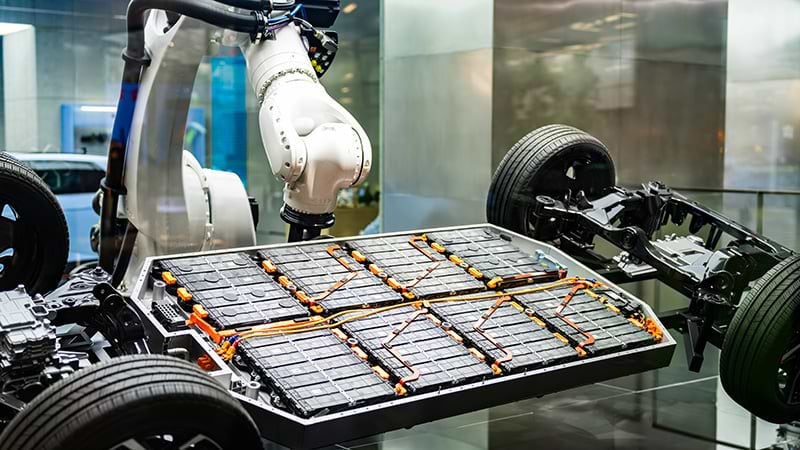
Adoption of EVs will have a profound impact on the automotive supply chain—from mining raw materials to after-sales maintenance. To thrive in this new mobility domain, you’ll need to be agile.
Smart mobility is harnessing data and technology to make transportation safer, more affordable and inclusive. People will have better transport experiences and greater choice. But it will take innovative, cross-sector collaboration and powerful public–private partnerships to make this real.
Tomorrow’s resilient, sustainable transport systems are bringing together innovative technologies such as AI, internet of things (IoT), sensors and data analytics. This is smart mobility tech—driving innovation and providing exciting opportunities for growth, and for changing the way we move.
A reconfiguration of the global economy means the value of the Move domain could reach up to US$6.4 trillion in 2035. We’ve mapped the value in motion from now to 2035, so you can build a future-ready business to capture it.
See the shifts. Seize the value. Stay ahead.
Industries are reshaping around fundamental human needs, creating value through collaboration across interconnected domains that now replace traditional value chains.
Whilst electric vehicles are a true megatrend for the 2020s, they are not the whole picture. To decarbonise by 2050, the world needs to embrace alternative fuels as well. Scalability and commercial viability will be key. Sustainable aviation fuel, hydrogen and biofuels will become an important power source of the future.
{{item.text}}
{{item.text}}


