Turn insight into action
We help you solve the problems that matter most so you can act faster and move further.
What would you like to explore?
The future of how we fuel and power

Human moments of problem solving, powered by technology, are triggering industry reconfiguration. Discover how digital grids, AI, and cross-sector collaboration are reinventing how we fuel and power.

The dynamics
Reinventing energy for a converging world
It starts with people solving real problems. In St. Croix, Donald’s rooftop solar panels and battery don’t just protect his livelihood. Linked with thousands of others across the US Virgin Islands, they form a virtual power plant—a shared, intelligent energy system that dispatches stored electricity when the grid is strained. What began as backup power has become infrastructure.
Energy systems are being reconfigured as rising electricity demand collides with the need for affordable, resilient, and lower-carbon power. Addressing this challenge requires collaboration between traditional energy players and technology, manufacturing, and finance sectors in order to build new operating models across grids, demand management, storage, and digital coordination. The result is a domain that is no longer defined by a single industry. It’s a cross-sector ecosystem organised around the fundamental human need to fuel and power modern life.
For leaders, the message is clear: energy is becoming a shared platform for growth, where value is created by orchestrating systems, data, and partnerships across traditional boundaries.
Your next move
Five actions to seize the US$6.19tn opportunity in the Fuel and Power domain
Build your energy resilience strategy
Shift from selling energy units to delivering outcomes—such as resilience, uptime, or efficiency—through models like energy-as-a-service, grid services, or performance-based contracts.
Build intelligent, adaptive grids
Invest in digital platforms that use real-time data, AI, and automation to balance supply and demand across distributed assets, like home batteries to industrial loads.
Extend your role across the value chain
Move closer to end users by integrating generation, storage, demand management, and optimisation services rather than competing on supply alone.
Forge cross-sector partnerships
Gain access to data, capital, and new routes to market in high-growth areas like data centres and electrified transport. Start by collaborating with technology providers, infrastructure developers, financiers, and governments.
Invest early in enabling capabilities
Develop capabilities in AI, analytics, digital contracting, and data-sharing that support flexible, low-carbon, and highly resilient energy systems.
Domains of growth
Select your industry to uncover its highest-value domain of growth
Your greatest opportunity lies in the Feed domain—where reimagining how we produce, distribute, and consume food opens new avenues for growth while addressing one of humanity’s core needs.
Consumer expectations are evolving towards healthier, more sustainable, and transparent food systems. And as climate risk, waste, and inefficiency challenge today’s value chains, leaders who act decisively can create value by reinventing business models across agriculture, technology, and food services.
Investing in smarter production and tech-enabled supply chains allows organisations to cut waste and boost resilience. By fostering cross-sector collaboration, they create unique offerings that meet rising demand, without compromising the planet—transforming systemic pressure into a lasting engine of growth and relevance.
Your greatest opportunity is in the Fuel and Power domain, where the global drive to decarbonise energy systems is transforming how value is created, captured, and sustained.
Industries today are tackling the dual challenges of reducing carbon footprints and providing reliable, affordable energy. By acting decisively, you can unlock growth by reimagining operations around energy improvement, low- and no-carbon fuels, and resilient infrastructure. By rethinking how energy is produced, stored, and consumed—and by using technologies that boost efficiency and manage volatility—leaders can cut costs, strengthen margins, and build long-term resilience. This positions organisations at the heart of a rapidly growing energy sector, where sustainability and business performance progress together.
Your greatest opportunity is in the Fund and Insure domain, where the shift in financial services is creating new paths to boost growth, manage risk, and encourage change across all areas.
Industries are evolving to meet human needs while tackling climate challenges, tech disruptions, and capital demands. The value now lies with those who creatively use private capital, move from reactive to predictive insurance, and collaborate across ecosystems to finance complex transitions. Engaging in this sector lets leaders access adaptable capital, smarter risk solutions, and innovative financing models. This shifts funding and insurance from back-office roles to strategic drivers of resilience, innovation, and long-term growth.
Your biggest opportunity is in the Govern and Serve domain, where governments and public institutions are reimagining their roles as enablers, orchestrators, and partners in our increasingly connected world.
As traditional industry boundaries fade, we find value in using data and AI to make faster, smarter decisions. This transformation drives services to become digital, proactive, and trustworthy. We need to build ecosystems that bring together public and private strengths. This domain offers untapped growth through collaboration with the public sector: co-creating solutions, modernising procurement and delivery models, and shaping the platforms and infrastructure that allow every other domain to flourish.
Your biggest opportunity is in the Care domain, where increasing demand, rapid tech advancements, and evolving consumer expectations are reshaping care delivery and value creation.
As populations expand and age, traditional care models are transitioning to a connected ecosystem focused on prevention, personalisation, and outcomes—driven by data, AI, and new care settings beyond hospitals. Leaders who step into this domain can power growth and help consumers by improving outcomes with data insights and working across industries to make care more accessible, efficient, and trusted. Our systemic challenges can be transformed into opportunities for innovation and enduring relevance.
Your biggest opportunities are in the Move, Make, and Build domains—where industries are being reshaped, changing how goods are made, infrastructure is built, and people and products move globally.
As mobility systems become electric and digitised, manufacturing gets smarter and more connected, and the built environment shifts towards sustainability and resilience, leaders who combine technology, data, and partnerships across these areas are gaining value. Let’s rethink how we design, produce, transport, and construct. By not viewing these activities in isolation, leaders can create new business models and boost productivity. This approach positions your organisation at the forefront of faster, cleaner, and more efficient value chains, which are quickly reshaping traditional industry boundaries.
Your greatest opportunity is in the Fund and Insure domain, where the transformation of financial services is opening new avenues to drive growth, manage risk, and foster change across all areas.
As industries adapt to human needs and face climate challenges, tech disruptions, and capital demands, value is shifting to those who can creatively use private capital, shift from reactive to predictive insurance, and collaborate across ecosystems to finance complex transitions. By engaging in this sector, leaders can tap into more adaptable capital, smarter risk solutions, and innovative financing models—elevating funding and insurance from back-office roles to strategic drivers of resilience, innovation, and long-term growth.
Your biggest opportunity is in the Connect and Compute domain, where the rising need for connectivity, computing power, and AI-driven infrastructure is sparking growth across industries.
As demand grows, the real value lies with those who can update digital infrastructure, enhance data-centre and network capabilities, and collaborate across ecosystems such as fibre, wireless, satellites, and cloud. By expanding into this domain, leaders can unlock new revenue streams by advancing from basic infrastructure to smart, AI-ready platforms. This shift allows for quicker innovation, real-time services, and robust operations that drive the next wave of business models.
Explore other domains of growth
Featured insights
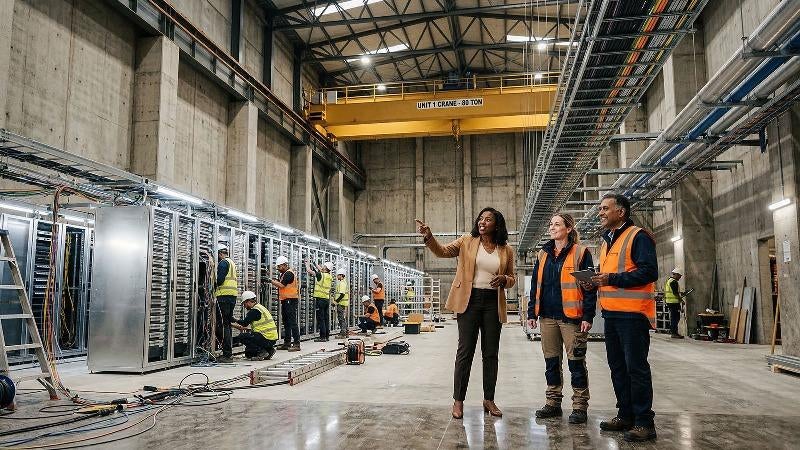
Industrial redevelopment: An accelerated path for building data centres
Access to electricity is a critical bottleneck in data centre construction. Developers that repurpose industrial sites can shorten time-to-power.
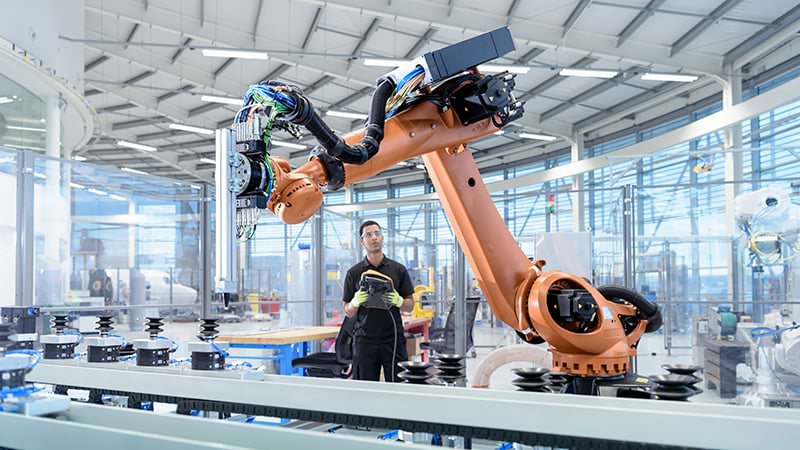
Value in motion
Discover the future of your industry with PwC’s Value in motion study. Learn how AI and climate change are reshaping industries to create new growth opportunities.

Could your car power your home?
Hear exclusive insights on how leaders can compete in a new energy era. With insights from founder of The Mobility House, Thomas Raffeiner.
