Turn insight into action
We help you solve the problems that matter most so you can act faster and move further.
What would you like to explore?
The future of how we feed
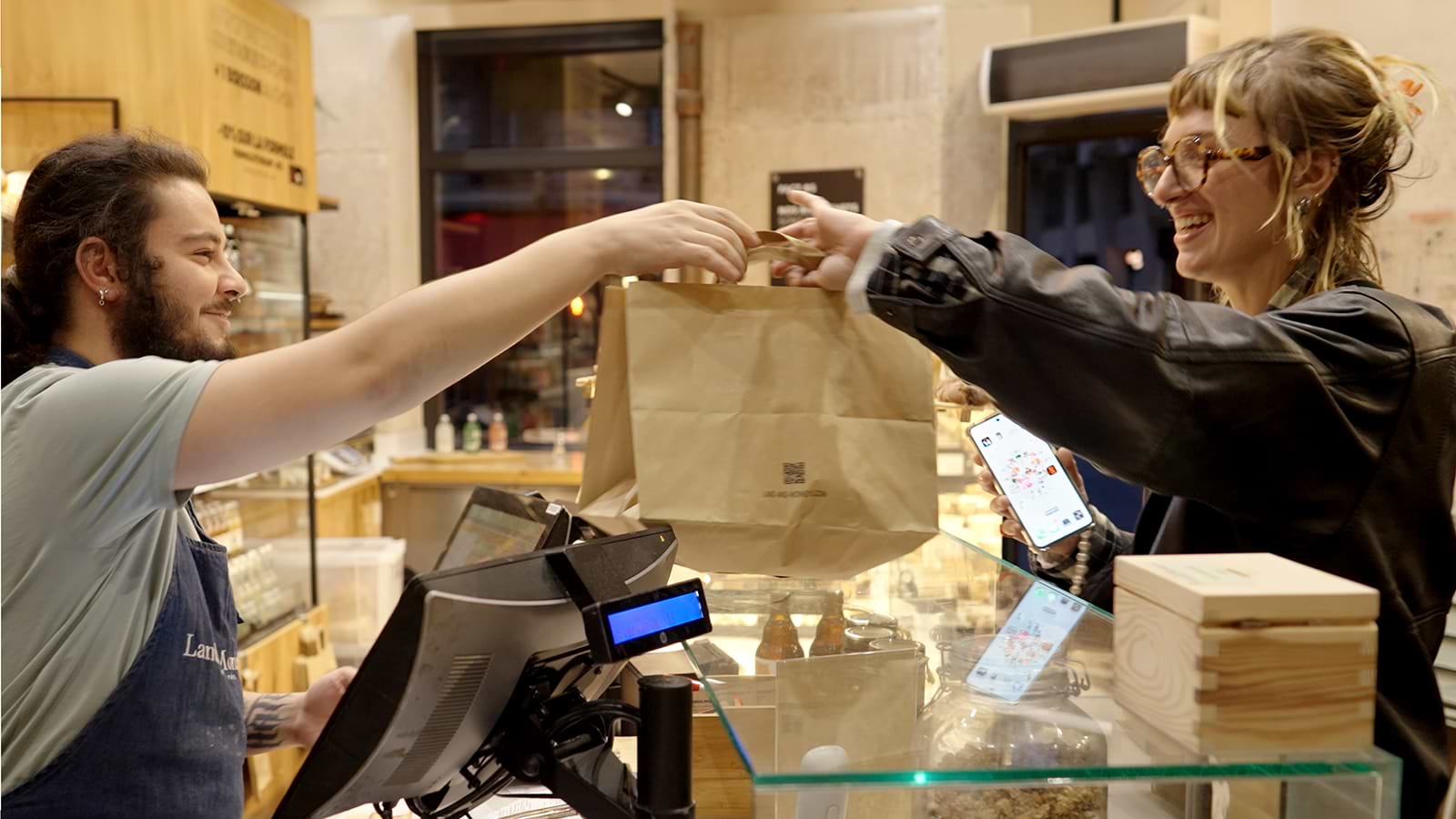
Human moments of problem solving, powered by technology, are triggering industry reconfiguration. Discover how technology, collaboration, and circular design are reinventing how we feed ourselves.

The dynamics
Why the future of food depends on cross-sector collaboration
It starts with people solving real problems. A baker in Paris packing away unsold bread at the end of the day. A student stretching a tight budget by picking up a discounted meal through an app. What once went to waste is now scanned, repriced, and redirected in real time. In France, digital platforms and regulation are reframing food waste as an engineering challenge. The goal is to design it out of the system—turning surplus into circulation and loss into value.
Today, those everyday innovations—from AI-driven dynamic pricing to food redistribution apps and precision agriculture tools—are scaling and reshaping how food is grown, processed, and consumed. Experiments on the farm, in warehouses, and on shop floors are consolidating into an integrated Feed domain. Farmers, food and beverage companies, retailers, logistics providers, technology firms, health organisations, and financiers are working across traditional boundaries to solve shared challenges. Together, they are building data-rich, resilient food systems. Success looks like reducing waste, adapting to climate volatility, and adapting to changing consumer expectations around health, affordability, and convenience.
For executives, the implications are clear: how we feed ourselves is no longer the job of a single sector. It is a cross-industry ecosystem organised around the fundamental human need to feed ourselves—more efficiently, more equitably, and more sustainably. The leaders who move first will be those who look beyond their traditional role in the value chain, and seize the growth opportunities emerging at the intersection of health, technology, sustainability, and collaboration.
Your next move
Five actions to seize the US$9.88tn Feed opportunity
Reconfigure your role in the ecosystem
Move beyond optimising your place in the value chain and focus on impacting the ecosystem. Create value by connecting producers, platforms, and consumers across the food system.
Turn volatility into value
Treat supply chain disruptions, consumer expectations, and climate risk as design challenges that unlock new, resilient business models instead of costs to be managed.
Build data-rich, transparent supply chains
Embed data, AI, and end-to-end visibility from field to fork. Aim to cut loss, improve margins, and build trust with regulators and consumers.
Innovate around consumer outcomes, not just products
Use digital services, personalisation, and new platform-led models to shift your approach from selling food to delivering outcomes around health, affordability, and convenience.
Partner and invest to scale what works
Collaborate across technology, logistics, real estate, waste, health, and finance to attract capital, scale proven innovations, and shape the Feed domain as it emerges.
Domains of growth
Select your industry to uncover its highest-value domain of growth
Your greatest opportunity lies in the Feed domain—where reimagining how we produce, distribute, and consume food opens new avenues for growth while addressing one of humanity’s core needs.
Consumer expectations are evolving towards healthier, more sustainable, and transparent food systems. And as climate risk, waste, and inefficiency challenge today’s value chains, leaders who act decisively can create value by reinventing business models across agriculture, technology, and food services.
Investing in smarter production and tech-enabled supply chains allows organisations to cut waste and boost resilience. By fostering cross-sector collaboration, they create unique offerings that meet rising demand, without compromising the planet—transforming systemic pressure into a lasting engine of growth and relevance.
Your greatest opportunity is in the Fuel and Power domain, where the global drive to decarbonise energy systems is transforming how value is created, captured, and sustained.
Industries today are tackling the dual challenges of reducing carbon footprints and providing reliable, affordable energy. By acting decisively, you can unlock growth by reimagining operations around energy improvement, low- and no-carbon fuels, and resilient infrastructure. By rethinking how energy is produced, stored, and consumed—and by using technologies that boost efficiency and manage volatility—leaders can cut costs, strengthen margins, and build long-term resilience. This positions organisations at the heart of a rapidly growing energy sector, where sustainability and business performance progress together.
Your greatest opportunity is in the Fund and Insure domain, where the shift in financial services is creating new paths to boost growth, manage risk, and encourage change across all areas.
Industries are evolving to meet human needs while tackling climate challenges, tech disruptions, and capital demands. The value now lies with those who creatively use private capital, move from reactive to predictive insurance, and collaborate across ecosystems to finance complex transitions. Engaging in this sector lets leaders access adaptable capital, smarter risk solutions, and innovative financing models. This shifts funding and insurance from back-office roles to strategic drivers of resilience, innovation, and long-term growth.
Your biggest opportunity is in the Govern and Serve domain, where governments and public institutions are reimagining their roles as enablers, orchestrators, and partners in our increasingly connected world.
As traditional industry boundaries fade, we find value in using data and AI to make faster, smarter decisions. This transformation drives services to become digital, proactive, and trustworthy. We need to build ecosystems that bring together public and private strengths. This domain offers untapped growth through collaboration with the public sector: co-creating solutions, modernising procurement and delivery models, and shaping the platforms and infrastructure that allow every other domain to flourish.
Your biggest opportunity is in the Care domain, where increasing demand, rapid tech advancements, and evolving consumer expectations are reshaping care delivery and value creation.
As populations expand and age, traditional care models are transitioning to a connected ecosystem focused on prevention, personalisation, and outcomes—driven by data, AI, and new care settings beyond hospitals. Leaders who step into this domain can power growth and help consumers by improving outcomes with data insights and working across industries to make care more accessible, efficient, and trusted. Our systemic challenges can be transformed into opportunities for innovation and enduring relevance.
Your biggest opportunities are in the Move, Make, and Build domains—where industries are being reshaped, changing how goods are made, infrastructure is built, and people and products move globally.
As mobility systems become electric and digitised, manufacturing gets smarter and more connected, and the built environment shifts towards sustainability and resilience, leaders who combine technology, data, and partnerships across these areas are gaining value. Let’s rethink how we design, produce, transport, and construct. By not viewing these activities in isolation, leaders can create new business models and boost productivity. This approach positions your organisation at the forefront of faster, cleaner, and more efficient value chains, which are quickly reshaping traditional industry boundaries.
Your greatest opportunity is in the Fund and Insure domain, where the transformation of financial services is opening new avenues to drive growth, manage risk, and foster change across all areas.
As industries adapt to human needs and face climate challenges, tech disruptions, and capital demands, value is shifting to those who can creatively use private capital, shift from reactive to predictive insurance, and collaborate across ecosystems to finance complex transitions. By engaging in this sector, leaders can tap into more adaptable capital, smarter risk solutions, and innovative financing models—elevating funding and insurance from back-office roles to strategic drivers of resilience, innovation, and long-term growth.
Your biggest opportunity is in the Connect and Compute domain, where the rising need for connectivity, computing power, and AI-driven infrastructure is sparking growth across industries.
As demand grows, the real value lies with those who can update digital infrastructure, enhance data-centre and network capabilities, and collaborate across ecosystems such as fibre, wireless, satellites, and cloud. By expanding into this domain, leaders can unlock new revenue streams by advancing from basic infrastructure to smart, AI-ready platforms. This shift allows for quicker innovation, real-time services, and robust operations that drive the next wave of business models.
Featured insights

Future of Food 2.0
Strategy& has analyzed how to capture growth in a transforming global food ecosystem.
Value in motion
Discover the future of your industry with PwC’s Value in motion study. Learn how AI and climate change are reshaping industries to create new growth opportunities.

Will your next sushi roll come from a laboratory?
Farmers produce, traders distribute, manufacturers process, retailers sell, and governments regulate. And it all comes together so that we can eat each day.
