
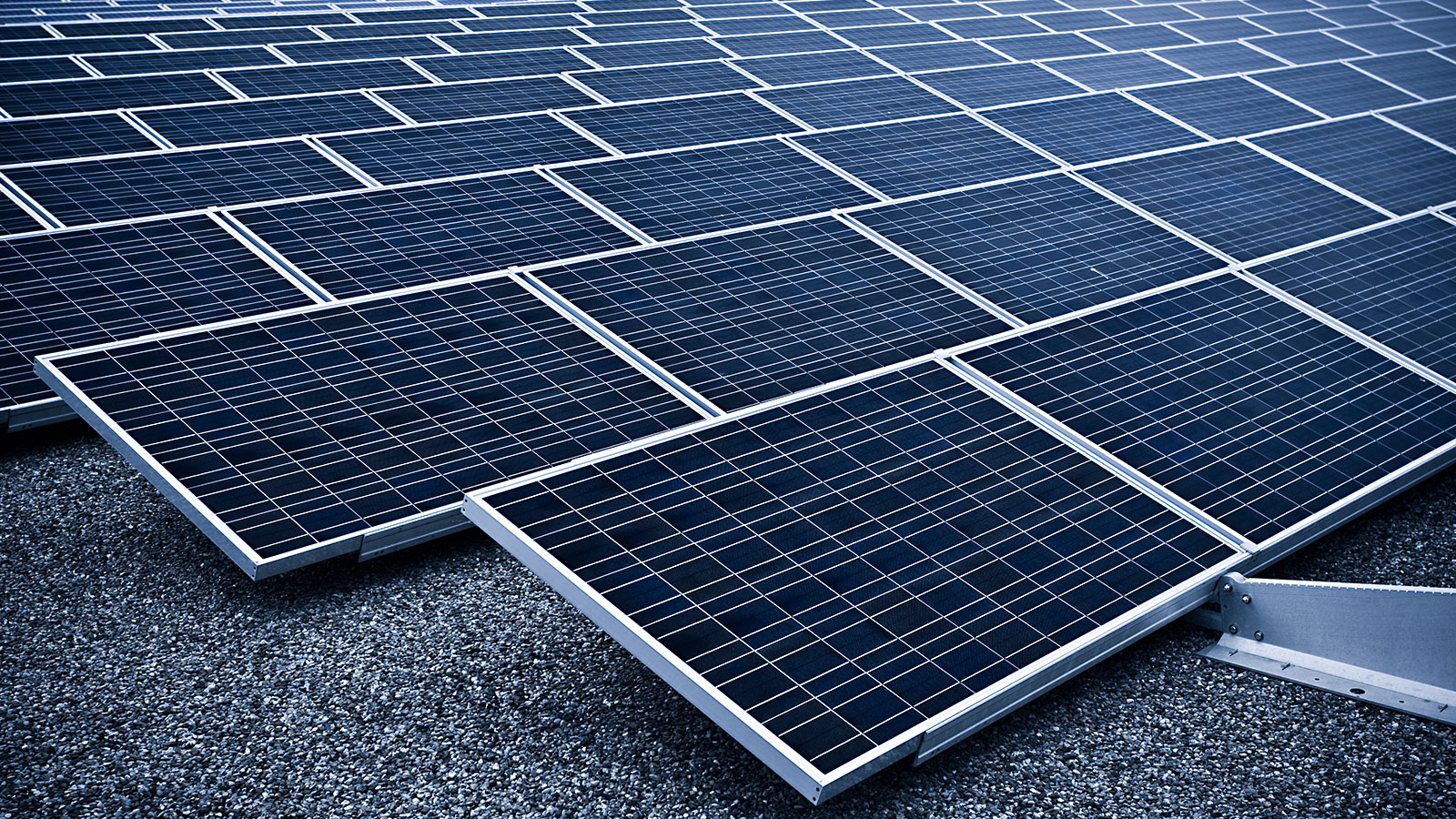
Nigeria faces severe energy poverty, with over 85 million people lacking access to electricity. To bridge this gap, especially in underserved communities, renewable energy solutions have become increasingly vital, with solar technologies such as Solar Home Systems (SHS) and mini-grids playing a significant role among other alternatives.
In 2023 alone, Nigeria imported over 4 million solar panels, valued at more than $200 million. This reliance on imported technology reflects Nigeira’s urgent energy needs and the absence of an adequate local manufacturing capacity. As a result, the country is also exposed to foreign exchange pressures, supply chain disruptions, and lost job creation opportunities.
In response, the Federal Government through the Ministry of Science and Technology, proposed a solar panel imports restriction policy. The proposed policy is anchored on the government’s objective to localise solar panel production, conserve foreign exchange, and stimulate job creation within Nigeria’s manufacturing sector. By reducing reliance on imported solar panels, the policy aims to enhance domestic capacity and ensure greater control over the energy transition process.
Furthermore, the government intends to use the policy as a catalyst for developing a robust solar manufacturing ecosystem. This includes incentivising the establishment of local assembly plants, attracting foreign direct investment and technology transfer, and fostering backward linkages within the supply chain, from raw materials to distribution. The policy is expected to create thousands of skilled and semi-skilled jobs, reduce project costs over time through economies of scale, and improve the sustainability of Nigeria’s clean energy efforts. By fostering local industry, the government aspires to meet growing energy demands and stimulate long-term economic growth.
In 2023 alone, Nigeria imported over 4 million solar panels, valued at more than $200 million.
Potential implications for the energy sector
Higher energy costs
Solar remains unaffordable for many, especially in rural areas. With electricity tariffs reaching ₦220/kWh for Band A class of customers, most households may be unable to afford these rates. An import restriction could lead to further increases in solar prices, making off-grid solutions less affordable and accessible.
Investor uncertainty
The lack of clarity around timelines, exemptions, or quality standards for local production creates regulatory risk, which can deter both foreign direct investment and local capital formation in renewable energy projects.
For example, initiatives like the $750 million DARES project rely on cost-effective imports and predictable supply chains. A sudden restriction could destabilise business models for mini-grid developers and clean energy startups, deterring investment and stalling electrification efforts.
Reduced energy access
Off-grid solar programmes backed by the REA have powered over 1.5 million households and created thousands of jobs, demonstrating the vital role solar importation currently play in scaling access. However, an import restriction could disrupt this momentum.
These projects depend on timely and cost-effective access to imported solar panels and components. Without a well-established local supply chain to fill the gap, developers may face delays, increased costs, or shortages of critical equipment, slowing deployment and jeopardising project timelines.
This could reverse recent gains as population grows and undermine Nigeria’s ability to meet Sustainable Development Goal 7 (SDG 7) on achieving universal access to affordable, reliable, and modern energy by 2030.
Way forward: A balanced energy strategy
Phase the import policy
Rather than an instant restriction, Nigeria should adopt a three to five year phased reduction in solar panel imports. This would give local manufacturers time to:
- Build capacity,
- Establish quality control systems, and
- Meet growing market demand.
A tiered strategy that may include import quotas, progressive tariffs, or blended procurement (import + local) would ensure supply continuity and attract long-term investment under a stable regulatory framework.
Enforce quality standards
To protect consumers and build trust in local products, Nigeria must implement robust quality assurance and certification systems. The SON, in collaboration with NEMSA, NERC, and others, should adopt International Electrotechnical Commission-aligned standards (IEC-aligned standards) for solar modules, inverters, and batteries.
Introducing mandatory product certification, factory audits, and independent testing labs will prevent the market from being flooded with substandard goods. For example, India’s Quality Control Order (QCO) offers a proven model Nigeria can replicate to ensure product reliability and safety.
Build skills for a renewable workforce
Manufacturing solar panels isn’t just about equipment, it requires a skilled workforce. Government should partner with universities, polytechnics, technical colleges, research institutions and development agencies to create a national renewable energy skills framework.
Programmes in PV design, assembly, quality testing, and installation will help develop a pipeline of technicians, researchers and engineers to support industry growth. Investing in workforce development now ensures that Nigeria has the human capital to sustain a clean energy transition.
Expand access to finance
Access to capital remains a major barrier for both consumers and manufacturers. Financial institutions should scale up:
- Special Low-interest loans for manufactures
- Green bonds instruments for manufacturers
- Pay-As-You-Go (PAYG) models for end users
Institutions like the Bank of Industry (BoI) and Central Bank of Nigeria (CBN) should offer dedicated long-term green finance facilities to manufacturers for factory development and equipment acquisition.
The proposed solar panel import policy reflects Nigeria’s ambition for energy security and industrial growth.
Conclusion
Nigeria’s proposed solar panel import policy reflects a drive to stimulate local industrial development. However, a careful implementation is important to avoid slow momentum in the country’s clean energy transition and damping investor confidence.
A recalibrated policy approach rooted in strategic sequencing, quality assurance, and supply chain realism can ensure that Nigeria's industrial policy objectives aligns with its clean energy and development goals.

Contact us


