Turn insight into action
We help you solve the problems that matter most so you can act faster and move further.
What would you like to explore?
Envisioning three tomorrows
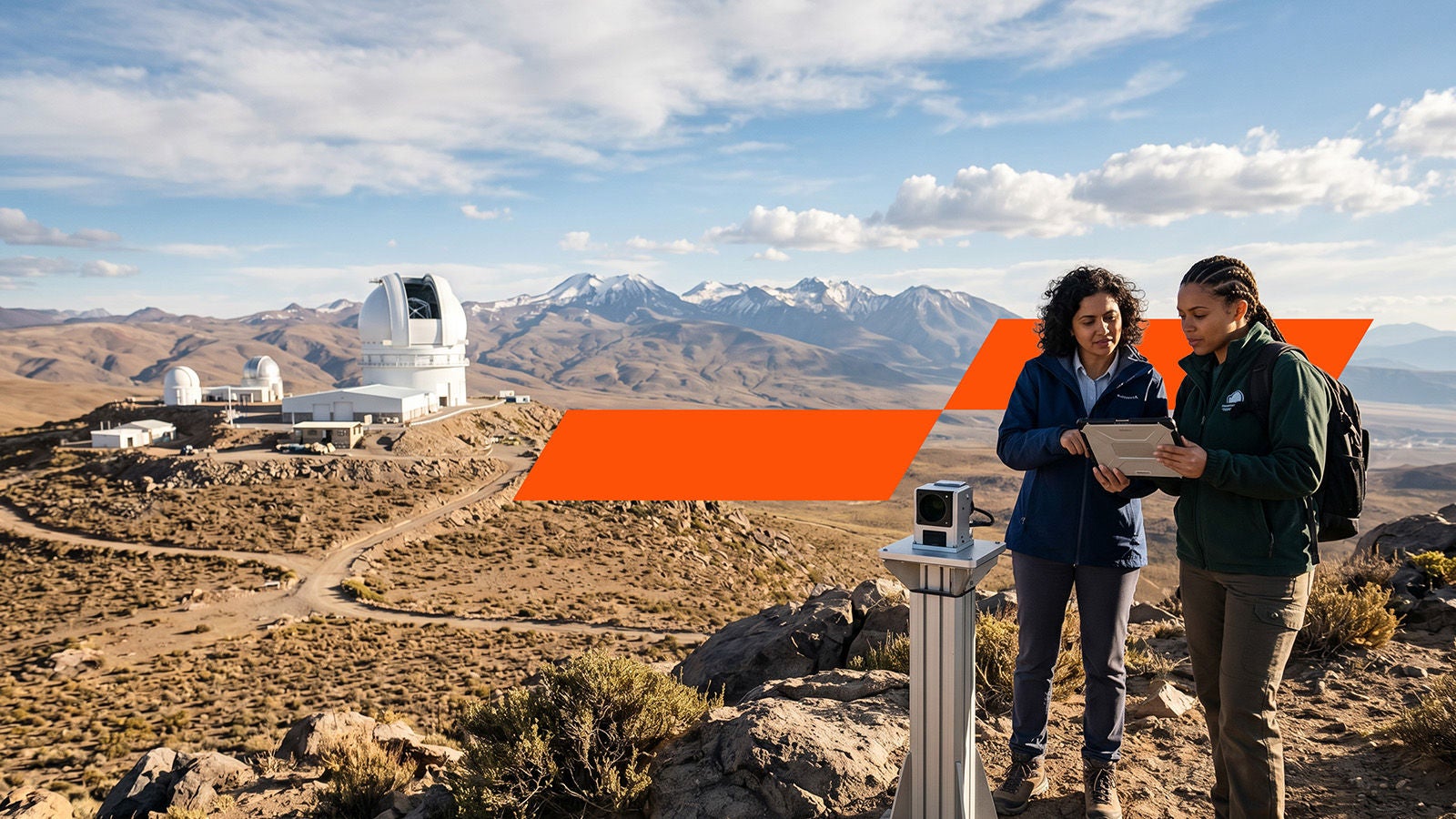
Imagining your company under three profoundly different scenarios will help you locate opportunity.
Inflection point
Megatrends are reshaping our world
Amid tariffs, trade and rising geopolitical tensions, it’s easy to lose sight of two other powerful forces that also are reconfiguring the global economy.
Artificial intelligence is creating the potential for a productivity revolution that will supercharge growth. Simultaneously, the increasing frequency of flooding, drought, heat stress, wildfires and other physical climate risks is upending basic expectations for economic growth. The ways these two forces interact with each other, and with other megatrends, will spur innovation. But to what degree? Will these megatrends, and our response to them, make our world more prosperous—or less?
Scroll on to explore three potential tomorrows, and what they might mean for you.
The 2035 economy
Modelling three tomorrows
To answer these questions and help leaders capture some of the value in motion across the decade ahead, PwC has quantified the potential impact of these forces on the global economy of 2035.
To envision 2035 as realistically and usefully as possible, we focused on a trio of plausible global scenarios: three divergent tomorrows. Each ‘tomorrow’ varies from a baseline scenario, which assumes current trajectories persist. And each tomorrow contains specific assumptions about AI deployment and climate response that inform our economic modelling.
Baseline
The baseline growth figure assumes moderate economic and technological progress, without significant external shocks or policy interventions. It doesn’t account for the potentially transformative benefits of large-scale AI adoption. We can think of this as the business-as-usual scenario; it assumes that historical trends continue.
Explore the graphic below to see our descriptions and projections for each scenario.
The three scenarios
Global regions
Growth across geographies
The dynamics of the three tomorrows will reshape lives around the world.
Regions highly exposed to climate change, such as Africa and the Middle East, could experience larger drags on growth. Areas that rapidly adopt AI, such as the Asia-Pacific region, North America and Western Europe, have the potential for bigger productivity booms (under more favourable scenarios) or busts (if AI disappoints).
In a world of Trust-Based Transformation, real earnings could exceed baseline expectations by 13–15% in Asia-Pacific and Western Europe, compared to 6–10% in Africa and Latin America. Favourable growth scenarios also could reduce unemployment rates by up to half a percentage point in many countries, while driving meaningful reductions in income inequality.
See how each tomorrow will impact 2035 GDP in your region.
Methodology
Value in motion research methodology
This flowchart lays out the research methodology for value in motion. Click on any box to learn more about the activities and outputs.
Related content
The leader’s guide to value in motion
Get ready for AI, climate change, and other megatrends to shift value pools, reconfigure industries, and redefine the top management agenda.
29 min read
Reinventing your company for growth
A decade of value in motion, marked by innovation and industry reconfiguration, awaits. Seize the moment to extend your lead—or to catch up to rivals.
29 min read
Get in touch

Allen Webb
Insights Leader and Managing Director in Global Thought Leadership
PwC United States

Wayne Borchardt
Global Advisory Thought Leadership, Director
PwC Portugal
